
Dubai's restaurant industry is grappling with supply chain disruptions caused by the two-month-old war in Iran, forcing chefs to adapt menus and cut costs. The closure of the Strait of Hormuz and rising jet fuel prices have made importing key ingredients more expensive and difficult.
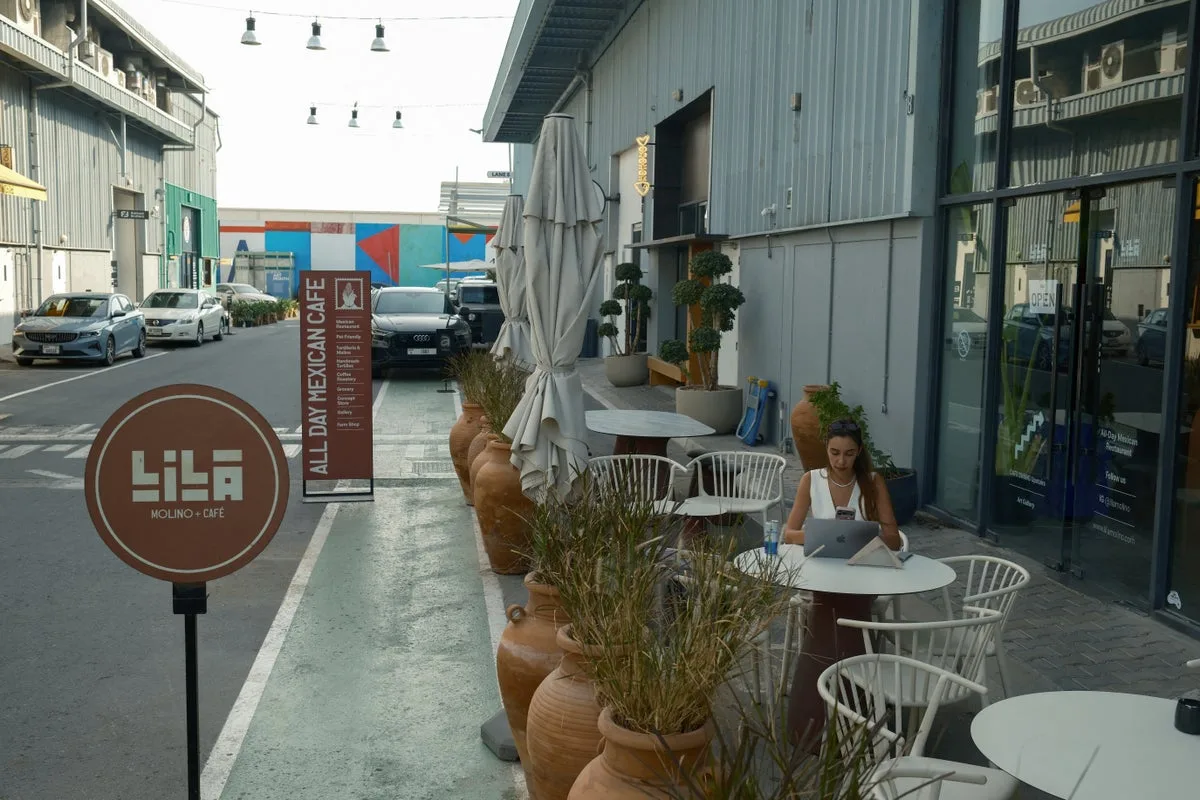
Chef Shaw Lash of Mexican restaurant Lila Molino has scaled back production, reduced payroll, and shifted focus to make-at-home fajita kits. 'The reality is cargo has gotten more expensive, gas prices have gone up, the Strait of Hormuz is still blocked,' she said, highlighting the challenge to supply.
Other chefs are turning to regional or readily available foods and offering fewer dishes. Kelvin Cheung of Jun's Dubai now uses local fish instead of imported Norwegian scallops or Japanese seafood, as air freight costs have risen by up to 70%. He introduced a six-course menu using local ingredients for 225 dirhams ($61).
The war has also hit tourism and consumer spending. A survey by Juniper Strategy and the Global Restaurant Investment Forum found UAE foodservice operators reported a 27% drop in demand and a 13% increase in supplier costs. Tourist-exposed locations are under the greatest pressure, while residential areas show more resilience.
The Dubai Department of Economy and Tourism acknowledged a 'period of disrupted footfall' and said restaurants are adapting through new formats and community initiatives. The UAE's full-service restaurant market, estimated at $9.5 billion last year, had been forecast to grow 20% to $11.3 billion in 2025, but the war may alter that outlook.




