Movement Directors and Choreographers Gain Spotlight at Olivier Awards
The Olivier Awards, a prestigious event in the British theatre calendar, have increasingly highlighted the contributions of movement directors and choreographers, underscoring their essential role in shaping theatrical productions. This trend reflects a broader industry shift towards acknowledging the creative input of these professionals, who work behind the scenes to bring performances to life through physical expression and staging.
Recognition and Impact on Theatre Productions
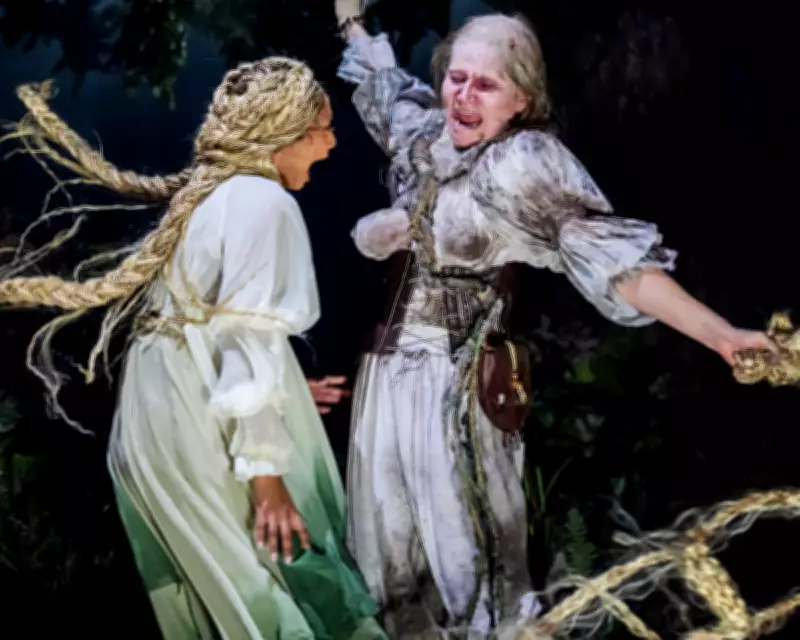
In recent years, movement directors and choreographers have received more nominations and awards at the Olivier Awards, signaling a growing appreciation for their artistry. Their work involves designing movement sequences, coordinating actors' physical interactions, and enhancing narrative depth through choreography, which can transform a play or musical into a more immersive experience for audiences.
This recognition is not merely symbolic; it has practical implications for the theatre industry. By elevating the status of movement directors and choreographers, productions are encouraged to invest more in these roles, leading to higher-quality performances and innovative staging techniques. For instance, shows that feature intricate dance numbers or complex physical theatre often rely heavily on these experts to ensure seamless execution.

Industry Trends and Future Prospects
The increased visibility at the Olivier Awards aligns with a wider trend in the theatre world, where there is a push for greater diversity and inclusion in creative teams. Movement directors and choreographers, often from varied backgrounds, bring unique perspectives that enrich productions, making theatre more accessible and engaging to diverse audiences.
Looking ahead, this focus on movement and choreography is likely to influence future theatre training and development. Educational institutions may place more emphasis on movement-based disciplines, while theatre companies could prioritize hiring specialized professionals for these roles. As a result, the industry may see a rise in productions that blend traditional acting with dynamic physical elements, pushing the boundaries of what theatre can achieve.
Overall, the Olivier Awards serve as a barometer for industry standards, and the growing recognition of movement directors and choreographers highlights their indispensable contribution to the art of theatre. This shift not only celebrates their talent but also paves the way for more collaborative and innovative theatrical experiences in the years to come.