Manchester's Strange Quarter: A Creative Hub Under Threat
Manchester's Strange Quarter, a loosely defined district straddling Manchester and Salford, has transformed over the last decade from an area known for industrial estates and Strangeways prison into a thriving cultural hotspot. This creative enclave now hosts a vast array of artistic endeavours, from groundbreaking music venues to intimate arts spaces, all within a 20-minute walk. However, the future of this vibrant community hangs in the balance as a massive 130-hectare redevelopment plan looms over the area.
The Heartbeat of Manchester's Cultural Scene
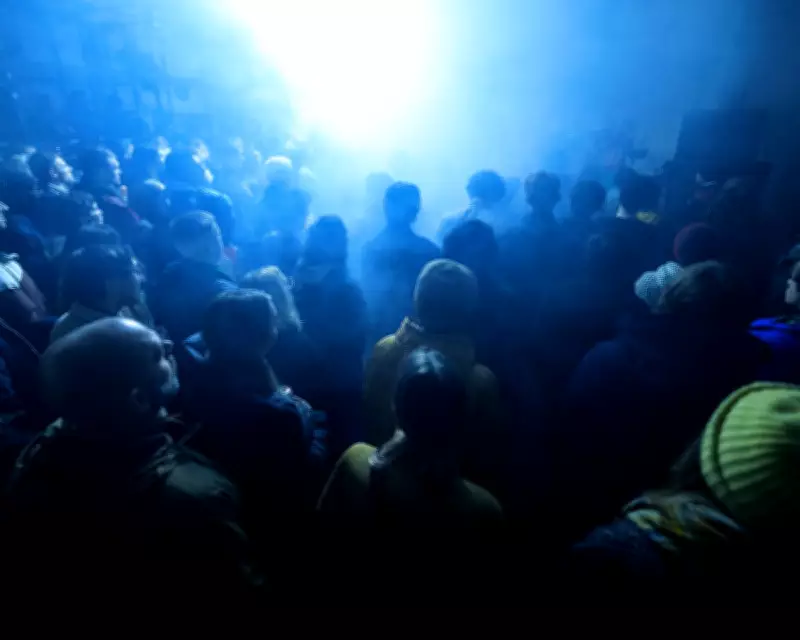
The Strange Quarter has redefined Manchester's cultural life, moving beyond the city's heritage of the Haçienda and Oasis to establish a new creative identity. The White Hotel programmes innovative music in a converted MOT garage, while Hidden offers a multi-level club with an open-air dancefloor and numerous studios. The DBA, a historic pub reborn as a queer and electronic music hub, and The Yard, an intimate indoor-outdoor venue, further enrich the area's cultural tapestry.
Sam Rushton, manager of the events and studio space 1520, emphasises the district's significance: "The scene here will be remembered far beyond many of the histories celebrated today." 1520 serves as a creative hub housing photographers and music producers, with its basement hosting everything from ambient gatherings to techno sessions. Rushton's current project involves designing a stage for IDM artist Tommy 2000's album launch, blending Art Attack aesthetics with Star Wars themes.

The Development Threatening Creative Spaces
In November, the Strangeways and Cambridge Strategic Redevelopment Framework (SRF) was finalised after consultations. This joint venture between Manchester and Salford city councils spans 20 years and aims to transform 130 hectares, including the Strange Quarter. The SRF outlines ambitious goals: 7,000 new homes, up to 1.75 million square feet of commercial opportunities, and a new 24-hectare green space called Copper Park along the River Irwell.
Copper Park would reintroduce a flood plain lost to concrete decades ago, potentially affecting venues like The White Hotel. While an SRF spokesperson states "there is no requirement for the venue to relocate at present" and promises support if necessary, the details remain vague. This uncertainty has left venue owners anxious about their future.
Communication Breakdown and Community Concerns
Josh Fenton-Thomas, founder of 1520 Studios, believes the Strange Quarter's survival depends on existing organisations uniting. However, he criticises planning authorities for poor communication: "My experience so far is completely not being included or involved." Venues struggle to plan for the short or medium term without clear timelines or details about how changes will unfold.
Francesca Melia, a town planner and part of the team at The Bag Factory, echoes these concerns. The 60-capacity venue, approaching its first anniversary, is located where Copper Park will be built. Melia notes that when the SRF was published, DIY venue owners "were either unaware of the consultation or unclear about how directly it might affect them." As details emerged, operators grew increasingly worried about how grassroots venues would fit into the area's future.
Balancing Development and Cultural Preservation
The SRF team claims to have engaged in "ongoing discussions with many of the venues" and encouraged written representations. Manchester and Salford councils contacted venue managers for briefings. An anonymous source from another venue suggests that "us and them" narratives are unhelpful, praising the regeneration team's efforts to consider local needs.
However, significant questions remain about coexistence between new residential developments and late-night music venues. The SRF cites the "agent of change" principle, requiring new developments to manage their impact, such as soundproofing residential blocks. Yet this policy lacks statutory planning law status, a long-standing issue for artists and promoters nationwide.

Melia summarises the community's stance: "We are not opposed to regeneration in principle. Investment and improvement in the Strangeways area are needed and welcome. But our concern is that without explicit recognition and protection, regeneration could unintentionally displace the very cultural character that makes the area distinctive."
As Manchester's Strange Quarter faces this pivotal moment, its creative community must navigate the delicate balance between urban development and cultural preservation, fighting to maintain the vibrant spirit that has redefined the city's artistic landscape.