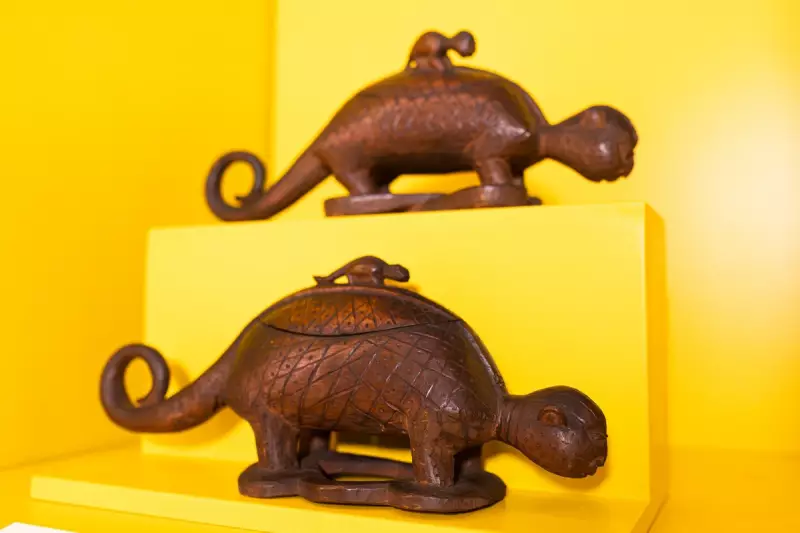
Manchester Museum has launched a bold new exhibition space dedicated to its vast collection of African objects, many of which have unclear and contested histories. The Africa Hub features thousands of items, openly confronting the complex and often troubling ways they were acquired during the period of the British Empire.
A Collection Built on Trade, Confiscation, and Looting
The museum in northwest England holds a staggering over 40,000 African objects, the majority of which have been kept in storage. They entered the collection through various means, including trade, anthropological expeditions, confiscation, and what the institution acknowledges as outright looting. The new gallery intentionally highlights the gaps in provenance, asking difficult questions rather than providing definitive answers.
"Some of them were given, some of them were stolen, some were taken forcefully, out of conquest," explained Sylvia Mgbeahurike, a co-creator of the hub from the Igbo Community Greater Manchester. She emphasised the importance of the project, stating, "It is important that we start bringing them together again."

Igniting a Global Conversation on Restitution
The central purpose of the Africa Hub is to fuel public debate on the future of these items. It explores whether artefacts should be repatriated to their communities of origin or if they can be shared and understood in new contexts in Manchester. This move aligns with growing worldwide calls for Western institutions to return looted cultural property and ancestral remains, a key part of broader movements seeking reparations for colonialism and slavery.
In a direct appeal for public assistance, the museum is asking visitors and communities to come forward if they recognise any of the displayed items. This admission of limited knowledge is a deliberate curatorial choice. "Museum records rarely tell us who made these items, when they were created, or what they were originally called," the museum stated. "They do not tell us who owned them, how they were used or why they mattered to people."
Addressing a Legislative Vacuum
The display arrives amid ongoing debates about the legal frameworks governing restitution in the UK. As recently as March 2025, advocates urged the government to address what they called a "legislative vacuum" that allows museums and other institutions to retain and display ancestral remains and contested artefacts with relative ease.
While some European institutions have begun restitution processes, countless artefacts and human remains from Africa and other regions remain in collections across the continent. The Africa Hub, with its focus on musical instruments, stools, carved figures, and other objects of daily and spiritual life, puts this unresolved legacy on full view, challenging visitors to consider their own role in this continuing history.