Louvre Appoints New Director Following Tumultuous Year and Sudden Leadership Change
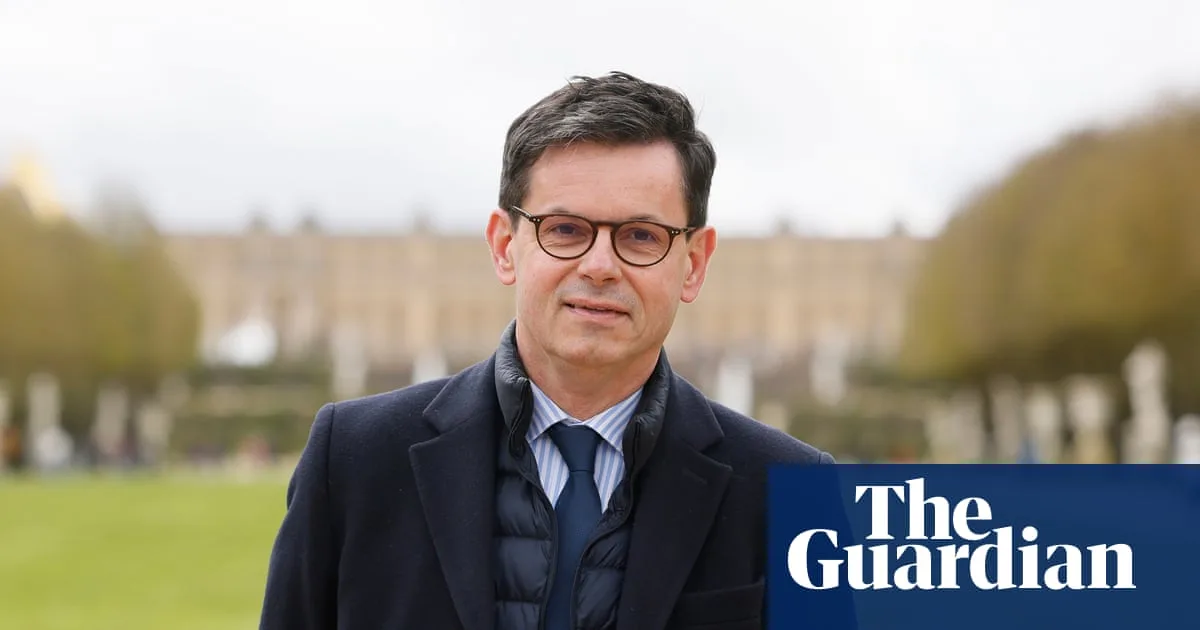
After months of mounting pressure and a bruising series of crises, the Louvre museum in Paris has appointed a new director. Christophe Leribault was named to lead the world's most-visited museum on Wednesday, just half a day after the previous director, Laurence des Cars, submitted her resignation. This rapid leadership transition comes as the iconic institution seeks to recover from a devastating crown jewels heist and a string of operational failures that have severely damaged public confidence.
A Steady Hand for a Battered Institution
The French government has positioned Leribault as the steady hand needed to guide the Louvre through its current challenges. His responsibilities will include overseeing both a comprehensive security overhaul and the museum's broader modernization efforts. An 18th-century specialist trained at the prestigious École du Louvre, Leribault brings extensive experience from leading France's most significant cultural institutions.
His impressive résumé includes leadership roles at the Petit Palais and Musée d'Orsay, and most recently at the Palace of Versailles—one of France's largest heritage sites with heavy visitor traffic and an annual budget of approximately 170 million euros ($200 million). Leribault represents a crisis-era choice: a veteran curator-administrator shaped by France's museum system, accustomed to public scrutiny, large crowds, and the complex mechanics of state cultural power.
The Circumstances Surrounding des Cars' Departure
Laurence des Cars was not merely another museum director. Appointed in 2021, she made history as the first woman to lead the Louvre—a symbolic break from tradition at a palace originally built for kings. For many within France's cultural establishment, her departure finally answers the question that has lingered since the October heist: how could such a significant security breach occur at one of the country's most symbolic institutions without any top official facing consequences?
President Emmanuel Macron's office accepted her resignation as an "act of responsibility," while emphasizing that the museum now requires calm and fresh momentum to advance its security and modernization projects. In an interview with Le Figaro newspaper just before her resignation, des Cars explained that she had become a lightning rod for criticism and could no longer effectively carry out the museum's transformation within the current institutional climate.
A Punishing Series of Crises
The 88 million-euro ($102 million) crown jewels heist in October served as the triggering event, but it was far from the only problem facing the Louvre. Labor unrest, water leaks, aging infrastructure, and a separate ticket-fraud scandal estimated at $12 million over a decade had already created the perception that this famous institution was losing control of basic operations.
A wildcat strike in June left visitors stranded outside the museum's iconic glass pyramid, exposing worker frustrations about overcrowding, understaffing, and deteriorating conditions. In a rare interview with The Associated Press days before des Cars' resignation, the Louvre's second-in-command, general administrator Kim Pham, acknowledged that fraud at an institution of this scale was "statistically inevitable," while also admitting to shortcomings and stating that controls had been tightened.
Pham highlighted the museum's immense scale: 86,000 square meters of exhibition space, 35,000 works on display, and approximately 9 million visitors annually—all housed within a historic building with "many historical layers" dating back to the start of the 13th century.
Macron's Legacy Project at Stake
As President Macron approaches the end of his final term next year, the Louvre overhaul has become his signature cultural project—his version of the grand museum-and-monument initiatives for which French presidents are often remembered. He announced the "Louvre New Renaissance" plan in January 2025, a project now expected to cost about 1.15 billion euros ($1.36 billion) according to French state auditors.
The ambitious plan includes a new entrance near the Seine River, expanded underground spaces, and a dedicated room for the "Mona Lisa" with timed access to alleviate crowding around the famous painting and improve overall visitor flow. This cultural legacy project explains why some observers speculated that des Cars did not depart immediately after the October heist, despite reportedly offering her resignation at that time—Macron had too much political capital invested in the Louvre plan for an immediate leadership change that might suggest his flagship cultural project was collapsing.
The Security Overhaul Progress
The most pressing question remains security, and the current answer is concerning: not far enough, and not fast enough. According to French media reports citing findings from the French state auditor, the Louvre's comprehensive security overhaul is not expected to be completed until 2032, with fewer than 40% of the museum's rooms currently equipped with surveillance cameras.
Some concrete measures have been implemented since the theft. Additional security features, including anti-intrusion devices and anti-vehicle barriers, were installed by the end of 2025. Des Cars informed lawmakers in November that the Louvre would install 100 external cameras by the end of 2026 and enhance coordination with police, including establishing an advanced police station within the Louvre estate.
The museum faces the unique challenge of being a historic building with inherent vulnerabilities—as Louvre officials privately acknowledge, old stone buildings leak, and the Louvre represents this problem "multiplied by a thousand." Unlike contained heritage sites on city outskirts, the Louvre exists as a medieval-to-modern palace complex in the heart of dense Paris, subject to intense tourist pressure, traffic congestion, multiple access points, and the daily wear of functioning as both a historic monument and a mass destination.