Vast Chess Memorabilia Collection of Grandmaster Lothar Schmid Heads to London Auction
A monumental collection of chess memorabilia, widely regarded as the largest and most significant private assemblage of its kind, is set to be auctioned at Sotheby's in London next month. This treasure trove belonged to the esteemed German grandmaster Lothar Schmid, whose deep passion for chess extended far beyond the game itself.
Highlights from the 'Match of the Century'
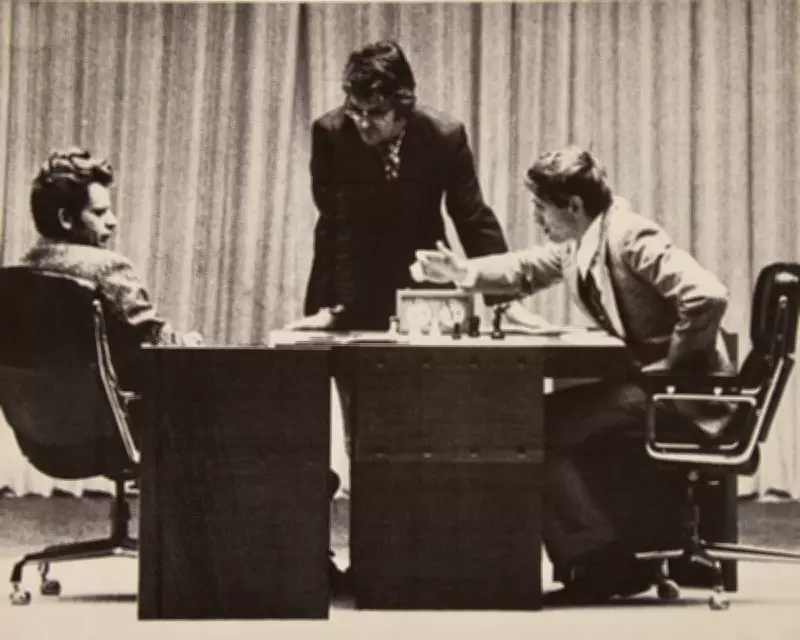
Schmid, renowned as one of Germany's premier chess players, is best remembered for his role as chief arbiter in the legendary 1972 World Chess Championship in Reykjavik. This historic match, often dubbed the 'Match of the Century', pitted Soviet champion Boris Spassky against American prodigy Bobby Fischer. Among the auction items are Schmid's original score notes from this cold war showdown, along with signed sheets from both Spassky and Fischer, offering an intimate glimpse into one of the most iconic chess events of the 20th century.
A Collection Spanning Centuries
The collection boasts over 50,000 artefacts that span several centuries, meticulously gathered by Schmid during his lifetime. Until recently, these items were housed in his expansive home in Bamberg, southern Germany, where he passed away in 2013. His three children have now decided to sell the collection, sharing stories of their father's unwavering dedication.

Bernhard Schmid, Lothar's son, reflected on his father's obsession, stating, "He was crazy for the game and everything to do with it. He travelled to five continents to acquire artefacts he adored, once journeying to South America for a book he told us was as expensive as a house." That book, Repetition of Loves and the Art of Chess by Luis Ramírez de Lucena from around 1497, is a standout lot. As the oldest existing chess book, it details the rules and strategies of the emerging modern game in Spain and is expected to fetch at least £70,000.
Rare and Intriguing Artefacts
Another fascinating item up for auction is a set of rare works documenting the Mechanical Turk, a chess-playing automaton unveiled in 1769. This device, which toured Europe and the US for over 80 years, appeared to operate on clockwork but secretly concealed a skilled chess player inside, manipulating its arms with magnets and levers. This piece highlights the enduring allure and mystery of chess through history.
Gabriel Heaton, a specialist at Sotheby's, emphasised the rarity of such collections coming to market. He noted, "To have something that has engrossed humanity for centuries is particularly compelling. Chess is based not on luck but pure strategy, and its predictable rules offer a sense of anchoring in our world." He added that the recent surge in chess popularity, fueled by the pandemic and cultural phenomena like Netflix's The Queen's Gambit, is likely to attract a diverse range of buyers and spectators to the auction.
Schmid's Legacy and Personal Touch
Schmid's ability to amass such a prized collection was supported by his family's ownership of Karl-May-Verlag, publishers of the popular adventure novels by German writer Karl May, which he later managed. Despite remaining an amateur throughout his career, Schmid achieved grandmaster status in both over-the-board and correspondence chess, representing West Germany in 11 Olympiads between 1950 and 1974.
Bernhard Schmid recalled his father's diplomatic nature, saying, "He was a very charming and urbane person. When they needed a referee for the 1972 match, it had to be someone measured and politically neutral. He knew and respected both Fischer and Spassky, and was well-liked, making him the perfect choice." As a child, Bernhard watched the match on TV, later witnessing visits from both chess legends to their home, where Schmid delighted in sharing his collection.

Enduring Appeal and Auction Expectations
The score sheets from the 1972 championship, expected to sell for thousands of pounds, are described by Heaton as "the handwritten record-taking of the times, getting you as close as possible to the greatest chess match of the 20th century." Other notable lots include the only existing Italian edition of Givocho's Chess Book by Jacobus de Cessolis, a medieval poem using chess as a metaphor for feudal society, complete with intricate woodcut illustrations.
Bernhard Schmid also shared that his mother, Ingrid, "patiently endured" her husband's collecting habit, viewing it as a positive addiction. "Some people buy property," he said, "my father bought chess books and artefacts." This auction not only celebrates Schmid's legacy but also underscores the timeless fascination with chess, blending history, strategy, and personal passion into a unique cultural event.