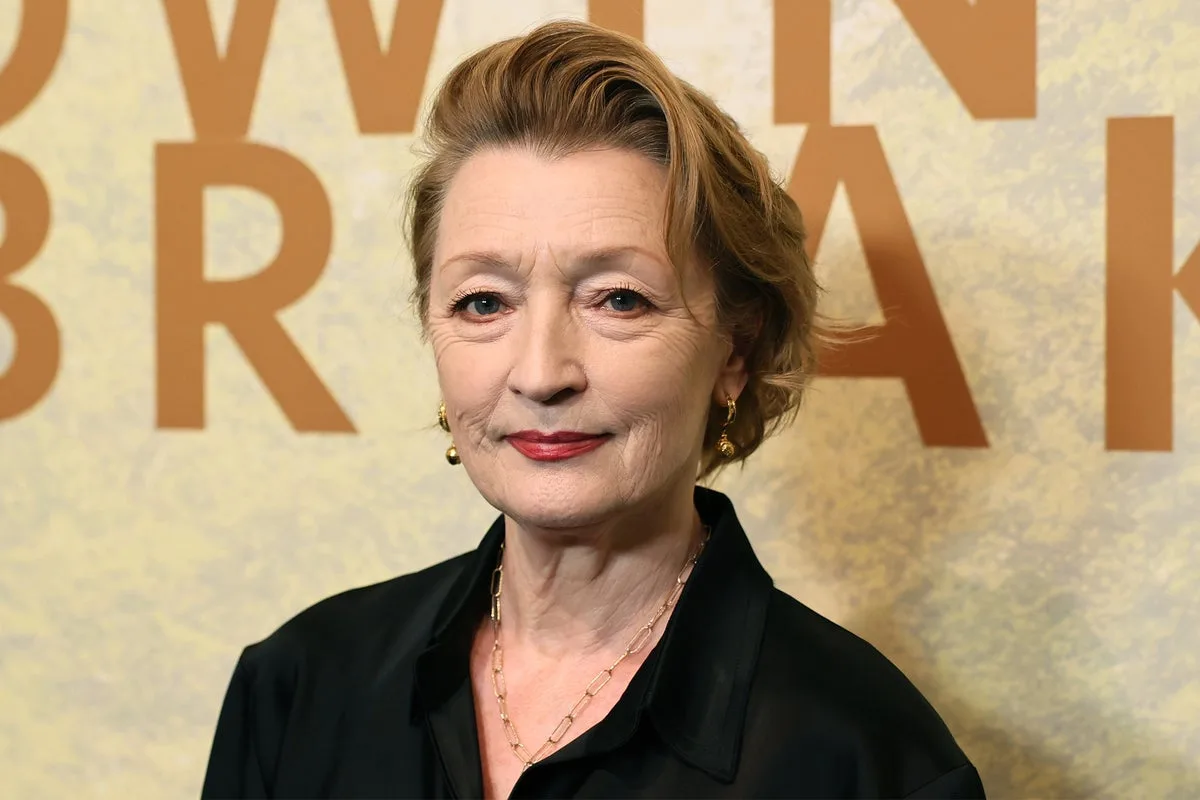
Lesley Manville has sparked debate after criticising theatregoers who take photos during curtain calls, calling the practice “insulting”. The Olivier Award-winning actor, currently starring in Les Liaisons Dangereuses at the National Theatre, urged audiences to “take the digital out of it for just a moment”.
Speaking on BBC Radio 4, Manville said: “We are all in this room, we are telling you a story, you’re listening – clap or don’t clap, but don’t just stick your phone in our face. I find it insulting.” She suggested the trend stems from people “wanting to prove they’ve seen” a production, and questioned why they “can’t let it live in their souls for five minutes”.
The 70-year-old actor noted the issue is particularly prevalent on Broadway, where “virtually the whole audience will take their phones out at the end of the evening”, and said it is now “starting to filter in” to the West End, where it “never used to happen”. Some productions, such as the musical Six, encourage photos during curtain calls, but plays generally have stricter etiquette.
Manville’s comments have divided opinion. Actor Hannah Waddingham voiced support, writing: “HEAR HEAR Lesley Manville.” However, former Strictly Come Dancing professional Oti Mabuse argued that for families who have saved up for a theatre trip, a photo can be a treasured keepsake. “That one picture will make their absolute life!” she said.
Loose Women star Denise Welch said photos of a curtain call can be “something you can share with friends”, while performer Ali McGregor disagreed “strongly” with Manville, noting that social media posts can help promote shows. “Taking a photo of the curtain call is a respectful way to take a photo for socials,” she said.