LA's $724m Amoeba-Shaped Museum Opens After 20-Year Controversy
After two decades of planning, the Los Angeles County Museum of Art (Lacma) has unveiled the David Geffen Galleries, a $724 million concrete structure that stretches across Wilshire Boulevard. Shaped like an amoeba, the building opens to members on Sunday and to the public on May 4, marking a landmark event in a city known for striking modern architecture.
A Design to Disorient and Inspire
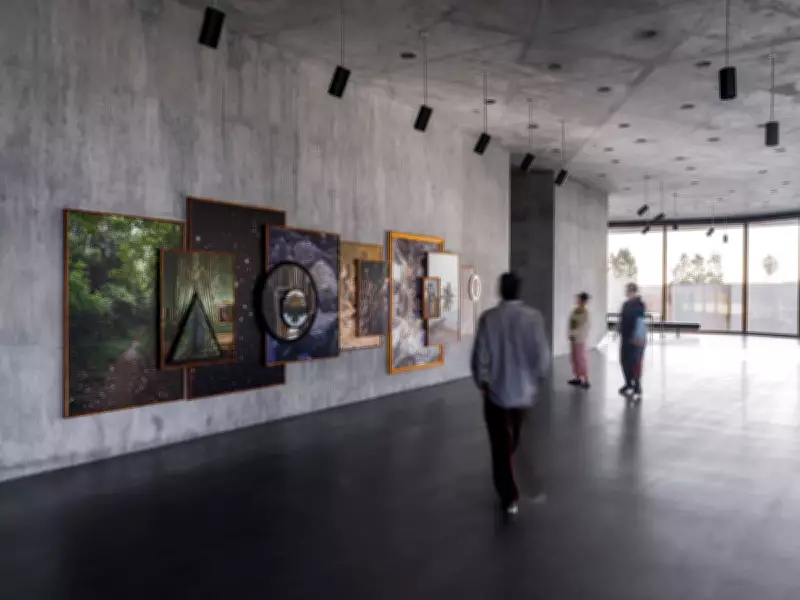
The 110,000-square-foot galleries are housed in an imposing, elevated gray building with enormous windows, described by director Michael Govan as "of the future and past at the same time." Designed by Swiss architect Peter Zumthor, the project has sparked both praise and polarization since its proposal in 2006, with critics condemning its "limitless concrete" appearance and unconventional curation approach.
Despite controversies over funding—including $125 million from the county and the rest from private donors—and concerns about reduced gallery space, the mood at Wednesday's unveiling was jubilant. Govan likened walking through the winding museum to wandering through a park, with artworks arranged thematically rather than chronologically.

Controversy and Celebration
The project faced backlash from groups like Save Lacma, and Zumthor once suggested he would never work in the US again due to difficulties. However, at the opening, he expressed newfound enthusiasm for Los Angeles, citing American heroism and the city's cultural vibrancy. The galleries will showcase Lacma's 155,000-piece permanent collection in constant rotation, emphasizing openness and interconnectedness.
Senior vice-president Naima Keith noted the lack of hierarchy in the layout, with no main entrance or first floor, aiming to reflect Los Angeles's diversity. Large windows treated to reduce UV light connect visitors to the city, while outdoor works like Jeff Koons's Split-Rocker and an Alexander Calder mobile enhance the campus experience.
Art and City in Conversation
The galleries feature a mix of artworks across centuries, from 19th-century landscapes to 21st-century photography, alongside performances like Tino Sehgal's "constructed situation." Recent reviews have praised the building as "radically alive," and the museum plans free daily programs for families to promote accessibility.
A collaboration with trendy grocery store Erewhon in the new cafe has raised questions about democratization, but Keith emphasized that the museum is designed to disorient in the best way, inviting students and first-time visitors who may have felt excluded by traditional museums.