Konrad Mägi Exhibition Critiqued as Expressionism Without Expression
A recent exhibition of the early 20th-century Estonian painter Konrad Mägi at Dulwich Picture Gallery in London has sparked criticism for its perceived lack of emotional depth and artistic energy. The show, running from 24 March to 12 July, features landscapes and portraits that reviewers describe as plodding and decorative, failing to capture the pathos and purpose of true expressionism.
Landscapes Lacking Pathos
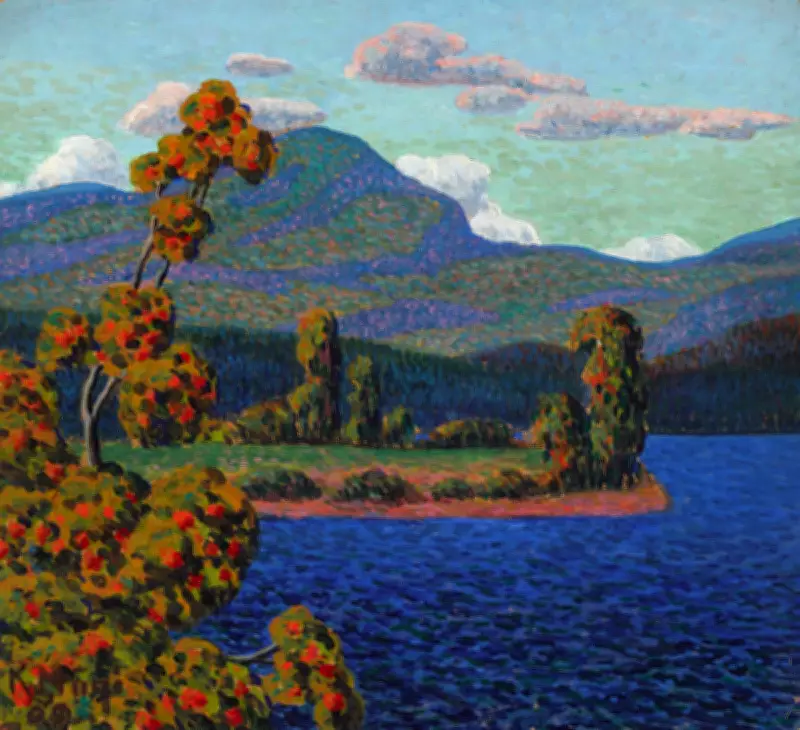
Mägi's early landscapes of Norway, painted in the 1900s after his exposure to Parisian avant-garde movements, are highlighted as particularly underwhelming. Works like Norwegian Landscape display random colour and blobby forms, with orange-brown bushes set against violet hills. Critics note that while contemporaries like Edvard Munch infused such scenes with anxiety and terror, Mägi's renditions remain bland and decorative, offering expressionism without genuine expression.
This lack of urgency is contrasted with the gallery's permanent collection, which includes masterpieces by artists such as Rembrandt, Rubens, and Anthony van Dyck. These works deal with themes of sex, death, passion, and loss, creating moving and unforgettable experiences that Mägi's landscapes fail to replicate.

Portraits Described as Ugly and Vulgar
The exhibition also features a room full of portraits, which have been criticised as even more problematic than the landscapes. Paintings like Portrait of a Woman (1923-24) incorporate vague cubistic patches, but the soft execution results in a merely quirky appearance. Another portrait hints at expressionist influences from Chaïm Soutine but is marred by a banal and hesitant ordinariness.
Reviewers argue that these portraits become increasingly ugly and vulgar upon closer inspection, representing a travesty of modernism. While the early 20th century produced geniuses like Matisse and Picasso, Mägi is seen as a follower who applies a chic veneer to safe and unoriginal depictions of faces and places.
Exhibition Context and Gallery Ethos
The critique extends to Dulwich Picture Gallery's broader ethos, suggesting that the exhibition aligns with a trend towards decorative escapism. Once a space for contemplating melancholic architectural beauty, the gallery's grounds now include cafes and an adventure playground, which some argue evades the high art it was founded to preserve.
This shift raises questions about whether the gallery is betraying its soul and purpose by hosting what is deemed a pointless and contextless exhibition. The review concludes that Mägi's work, with its striking lack of energy and drift into vacuous idylls, fails to engage with the serious matters that define great art, leaving viewers feeling nauseated by the contrast with the 20th century's historical turmoil.