Kennedy Center to Undergo Major Two-Year Closure for $200 Million Renovation
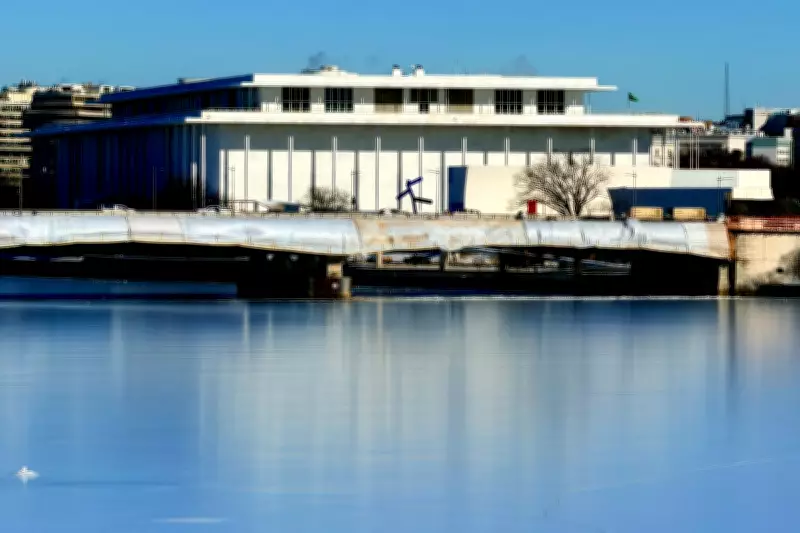
The John F. Kennedy Center for the Performing Arts has unanimously voted to close its doors for two years to facilitate a comprehensive $200 million refurbishment project. This significant closure, scheduled to commence after July 4, aims to implement sweeping updates, including the replacement of the heating system and marble fixtures. The president of the center has emphasised that this extended shutdown is the most effective method to ensure the renovations are completed thoroughly and to a high standard.
Funding and Political Controversy Surrounding the Closure
The estimated cost of the renovation stands at approximately $200 million, which is notably less than the $250 million that Congress approved last year for upgrades to the venue. However, the decision has sparked criticism from Democrats, including board member Representative Joyce Beatty, who have labelled the process as unlawful. Critics suggest that the closure may serve as a distraction from ongoing issues that have arisen since the president assumed control of the center, adding a layer of political tension to the project.
Leadership Changes and Broader Implications
This vote follows recent leadership upheavals at the Kennedy Center, with interim leader Richard Grenell stepping down and Matt Floca being appointed as the new executive director. These changes are part of a broader pattern where the president has replaced previous leadership with allies and installed himself as chairman, raising questions about governance and transparency. The closure and renovations come at a time when the center's operations and future direction are under intense scrutiny, blending cultural significance with political manoeuvring.

As the Kennedy Center prepares for its temporary shutdown, stakeholders and the public alike are watching closely to see how these renovations will impact its legacy and role in the performing arts community. The project represents not only a physical transformation but also a pivotal moment in the institution's history, marked by financial adjustments and partisan debates.