A transformative initiative is set to rebrand the historically turbulent Irish borderlands into a global beacon for literary heritage, with a proposal to establish the world's first UNESCO 'region of literature'. This ambitious plan, spearheaded by the arts group Arts Over Borders, seeks to create nine distinct 'literary ways' spanning 11 counties, guiding visitors through landscapes that inspired or were home to iconic writers from Jonathan Swift to contemporary voices like Lisa McGee.
From Conflict to Cultural Pilgrimage
Once a zone marked by smuggling, paramilitary activity, and political strife, the 310-mile border between Ireland and Northern Ireland is poised to attract a new wave of literary pilgrims. Seán Doran, artistic director of Arts Over Borders, envisions this rebranding as 'Ireland's northern literary lands', aiming to foster a shared cultural identity among inhabitants and draw tourism to overlooked rural villages and towns. 'We have this constellation of extraordinary writers associated with border counties,' Doran explained. 'We're revealing a map of this heritage – an unsurpassed concentration of literary greatness crammed into one small corner of Europe.'
Nine Literary Routes Unveiled
The proposed literary ways include diverse thematic routes designed for day-long explorations. The 'Nobel way' traverses parts of Sligo, County Fermanagh, and County Derry, celebrating Nobel laureates W.B. Yeats, Samuel Beckett, and Seamus Heaney. Meanwhile, the 'poetic way' covers Monaghan, Tyrone, and Derry, highlighting poets such as Patrick Kavanagh and Paul Muldoon. A standout is the 'Wilde romantic way', featuring a walking route through Enniskillen, where Oscar Wilde attended boarding school and drew inspiration for The Happy Prince.

Doran emphasized the flexibility of these routes: 'We're putting this out there for people to pick and do their own journeys. The nine routes crisscross and you can do each in a day. It's a way of illuminating how to join the dots.' The initiative will integrate upcoming cultural events, including the Beckett Biennale, which will showcase the first Ulster-Scots translation of Waiting for Godot.
Highlighting Hidden Heartlands
Encompassing five counties in Northern Ireland and six in the Republic, the 'northern literary lands' cover a third of the island's landmass and a predominantly rural population of 1.2 million. Doran noted that while tourists flock to coastal areas like the 'wild Atlantic way', the interior counties often remain overlooked. 'These are hidden heartlands,' he said, underscoring the plan's goal to boost local economies through literary tourism.
In addition to historical figures, the project will spotlight modern writers such as novelist Maggie O'Farrell from Derry and Donegal poet Annemarie Ní Churreáin. Doran is collaborating on a new independent guidebook to complement the trails, building on his experience co-authoring a Rough Guide to Ireland in the 1980s.
A Unique Literary Density
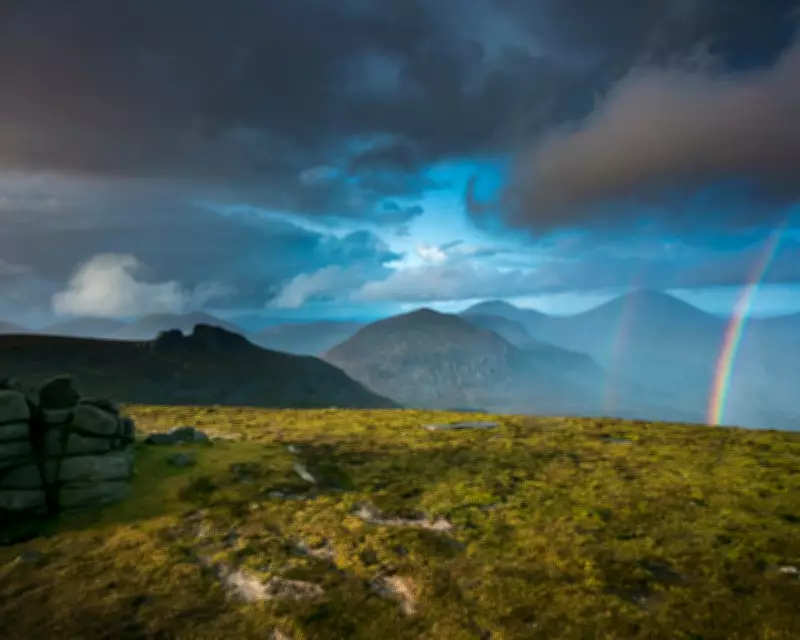
Doran argued that few regions globally match the literary density of the Irish borderlands, where authors range from deeply rooted figures like playwright Brian Friel to transient influences like Beckett. The 'spiritual way', for instance, includes sites such as the Neolithic rock art of Newgrange, the Mourne Mountains that inspired C.S. Lewis's Chronicles of Narnia, and Armagh locations linked to Jonathan Swift. The 'northwest dramatic way' connects Restoration-era playwright George Farquhar with modern TV creator Lisa McGee, illustrating timeless creative connections across centuries.
Seeking UNESCO Recognition
Currently, UNESCO recognizes 63 'cities of literature', including Dublin and Edinburgh. Arts Over Borders will petition the UN agency to introduce a new regional category, starting with the Irish border. This move aims to formalize the area's literary significance on an international stage, potentially setting a precedent for other regions worldwide.
By transforming a once-divided landscape into a unified cultural destination, this initiative not only celebrates literary legacy but also promotes reconciliation and economic revitalization through the power of storytelling.