Huw Fyw Review: A Heartfelt Welsh Play About War Trauma and Healing
Huw Fyw Review: Welsh Play on War Trauma and Healing

Huw Fyw Review: A Sentimental Journey Through a Veteran's Living Room

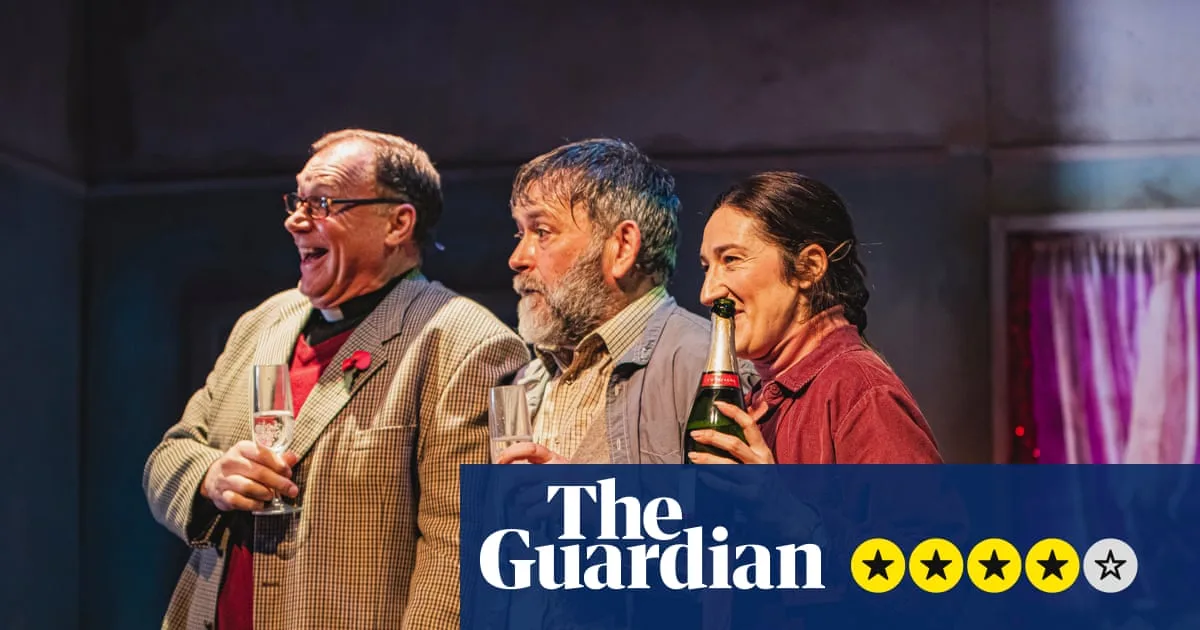
At Dance House in Cardiff, Tudur Owen's Welsh-language play Huw Fyw (translated as Huw Alive) offers an unashamedly heartfelt exploration of a curmudgeonly second world war veteran's life. The production, which runs until 18 April before touring until 8 May, masterfully blends elements of fable with deeper, more anguished themes, creating a narrative that is both compelling and emotionally resonant.

A Story of Unexpected Windfalls and Hidden Horrors

The plot revolves around Huw, a WWII veteran portrayed by Owen himself, who experiences an unexpected windfall, deals with a clogged toilet, and embarks on a trip to London with his entire Welsh village in 1994. While these events might sound whimsical, the play quickly veers into more serious territory, addressing PTSD, generational trauma, social exclusion, and the weight of irreconcilable grief. These themes are never far from the surface, adding a layer of depth to the seemingly simple storyline.

Directed by Steffan Donnelly, the production maintains cohesion despite occasional convolutions in the plotting, such as the clever inclusion of Chekhov's radio bulletin. The emotional resolutions are unexpected, challenging audience assumptions and leaving a lasting impact.

Wide Pickt banner — collaborative shopping lists app for Telegram, phone mockup with grocery list

Setting and Performance: A Winningly Persuasive Production

Mostly set in Huw's grimy living room, with set design by Elin Steele and lighting by Elanor Higgins, the play feels plausibly compact and immersive. The simplicity, or even naivety, of the drama is part of its charm, presenting generous sentimentality as a viable and poignant survival strategy against horrors revealed only belatedly.

The sentimentality avoids tipping into mawkishness thanks to four very fine performances. Tudur Owen anchors the play with his portrayal of Huw, while Leah Gaffey narrates and grounds the action. Owen Alun delivers a quietly devastating performance in two roles, and Dafydd Emyr shines in a memorable moment, transitioning from a pensioner in a clerical collar to a giddy teenager with a single broad and silly smile.

Nostalgia and Uncanniness in a Welsh Context

Adding to the play's uncanniness is a strange double nostalgia, as it harks back to the 1990s, which now feels as remote as the 1940s might have seemed then. This temporal layering enriches the narrative, making Huw Fyw not just a story about one veteran, but a reflection on memory, time, and healing across generations.

As one of Wales's most popular comedians and broadcasters, Owen brings a unique perspective to the role, subverting expectations of irony with absolute sincerity. The play's heart is unabashedly worn on its sleeve, making it a powerful and persuasive theatrical experience that resonates long after the curtain falls.

Pickt after-article banner — collaborative shopping lists app with family illustration