Groundbreaking Gay Art of Hujar and Thek Explored in New Biography
A new book titled The Wonderful World That Almost Was by Andrew Durbin, editor-in-chief of Frieze Magazine, delves into the lives and work of photographer Peter Hujar and sculptor Paul Thek. This dual biography, which took nearly five years to write, focuses on their friendship, creativity, and collaboration spanning over three decades. Both artists died from complications related to Aids, with Hujar passing in 1987 and Thek in 1988.
Rediscovery of Artistic Legacies
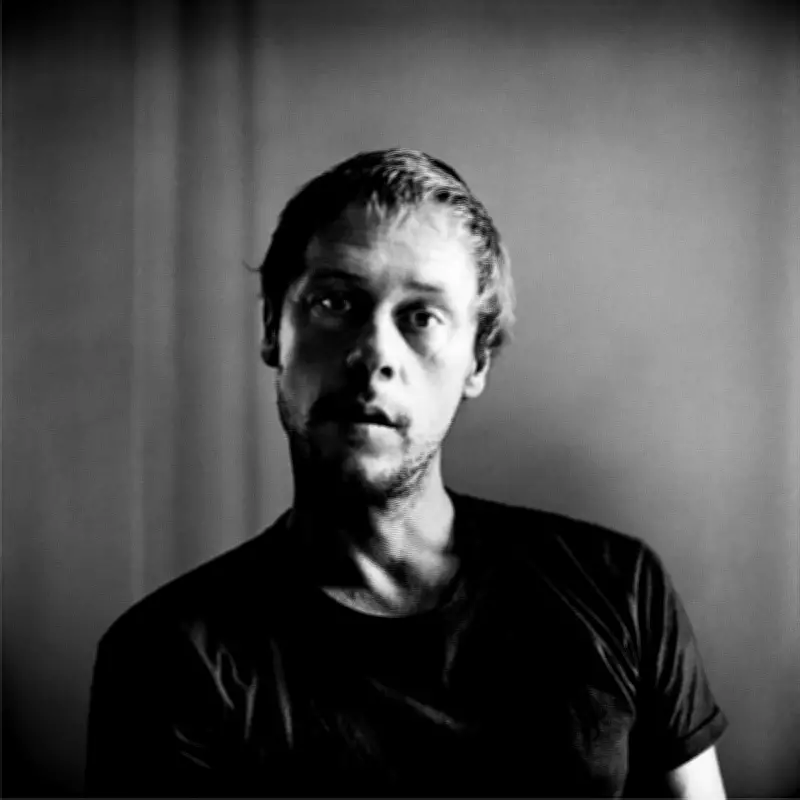
In recent years, the work of Hujar and Thek has regained cultural prominence. Hujar was portrayed by Ben Whishaw in the 2025 film Peter Hujar’s Day, and his photographs have been featured on album covers and bestselling books. Thek’s recognition has been slower, largely due to his lost large-scale installations in Europe, but Durbin believes his moment is imminent.
Durbin, speaking in Berlin ahead of his book tour, emphasized the importance of showcasing that these artists truly lived and accomplished much even as they were dying. The book serves as a literary recovery effort in queer art, capturing their intimacy and groundbreaking contributions to 20th-century art.

Challenges and Erasures
The book addresses the second erasure caused by Aids, where families often obscured the queerness of their sons’ deaths and artists’ collections were scattered. Durbin worked against this by interviewing key sources, many of whom passed away during the book’s completion. He aims to counter the tragic narrative often associated with Aids-era artists by centering their lives from 1954 to 1975, with their deaths in the epilogue.
Love and Collaboration
Hujar first photographed Thek in Coral Gables, Florida, in the late 1950s, and by 1960, they were neighbors and lovers in Manhattan’s Lower East Side. Durbin describes Thek as magnetic, with figures like Tennessee Williams and Gore Vidal falling for him. Their relationship included moments like a postcard from Fire Island where Thek expressed longing for Hujar.
A pivotal experience occurred in 1963 in Sicily’s Capuchin Catacombs, where Hujar took forbidden photographs that later became his book Portraits in Life and Death. Thek’s encounter with human remains inspired his meat pieces, eerie sculptures that brought him sudden fame.
Resistance and Identity
Both artists resisted categorization. Thek often destroyed his work or created ephemeral installations, while Hujar avoided being labeled solely as a gay photographer. Despite this, Hujar’s subjects included iconic queer figures like Candy Darling and David Wojnarowicz, sometimes releasing work under an anagram, Jute Harper.
Their relationship fractured over time, culminating in final photo sessions in 1975 that produced some of Hujar’s greatest portraits. Thek’s last letter to Hujar, full of creative ideas, ended with a poignant line about love.
Legacy and Recognition
For queer readers, the book offers proof of how these men loved and created art. Durbin notes that the bohemian New York they inhabited is gone, but their legacy inspires new generations. Linda Rosenkrantz, a surviving member of Hujar’s circle, praises the book for illuminating his private life.
Current exhibitions and screenings in New York and Berlin highlight a renewed interest in their work. Noah Khoshbin of the Paul Thek Foundation calls this a significant success, noting Thek had no works in American institutions at his death.
The book’s spirit echoes Thek’s desire to say I WAS HERE TOO, advocating for the recognition these artists deserve. Durbin expresses lifelong dedication to their stories, ensuring their impact endures.