Glasgow's Arts Scene in Crisis as Key Venues Face Closure and Eviction
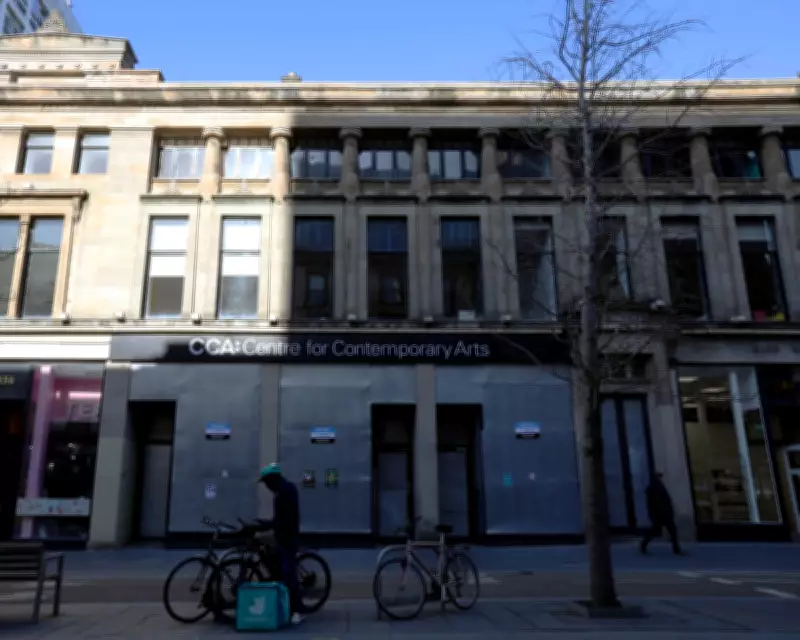
The shuttered Glasgow Centre for Contemporary Arts, a cornerstone of the city's art scene since its founding as the Third Eye Centre in 1974, has sparked widespread dismay. This closure, coupled with eviction threats at another major arts hub, Trongate 103, has intensified fears that the very spaces that fostered Glasgow's celebrated arts scene are disappearing.
Sudden Closure Leaves Artists in Limbo
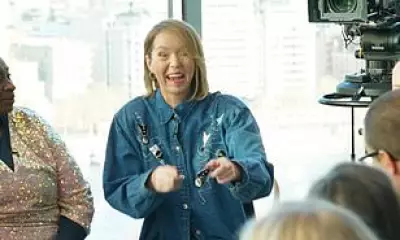
When Daisy Mulholland, a Glaswegian artist known as Nänni-pää, arrived to organise the launch event for her new art shop at the CCA, she found the locks already changed. An email from the CCA board on 30 January announced the venue's immediate closure, citing an unsustainable financial position. With 250 tickets sold and equipment inside, Mulholland described the situation as truly heartbreaking. It took a month for her to reclaim her property, highlighting the broader impact on businesses and the community.
Eviction Threats at Trongate 103
Last week, tenants at Trongate 103, including the Glasgow Media Access Centre, Street Level Photoworks, and Glasgow Print Studio, faced eviction threats from their landlords. Mark Langdon, chair of the GMAC board, reported receiving a notice to quit on 27 February. City Property, the city council's arm's length body, insists this is standard lease renewal procedure, but Langdon says GMAC cannot afford a rent hike of four times the current rate plus additional service charges. Despite denials of eviction, the rent increases remain, straining the grassroots arts community established with £8 million of public investment in 2009.

Political and Strategic Failures
Paul Sweeney, a Scottish Labour MSP for Glasgow, criticises the lack of strategic leadership, blaming the city's SNP council. He argues that venues like Trongate 103 were meant to anchor city regeneration, not be unravelled for commercial profit. This sentiment echoes concerns over the incremental diminution of Glasgow's cultural infrastructure, including the burnt-out Glasgow School of Art's Mackintosh building, the privatised Lighthouse, and the redeveloped McLellan Galleries.
Broader Cultural Impact
Glasgow's arts scene, once a scrappy contender to Edinburgh and London, flourished after its 1990 European Capital of Culture tenure, blending visual arts, music, and club culture. However, successes have masked underlying issues, such as inadequate development funding and strategy. The CCA's closure followed turbulent years involving staffing disputes, financial mismanagement, and controversial handling of protests, while Creative Scotland explores future options for the building.
Community and Economic Strains
Janos Lang of Ando Glaso notes that the CCA was vital for ethnic minority organisations to develop work and collaborate. Meanwhile, venues like SWG3 show an entrepreneurial model where commercial activity funds programmes, but rising costs and stagnant artist earnings create gaps. Veronique AA Lapeyre of the Scottish Contemporary Art Network warns that losing arts spaces could erode mental wellbeing, community expression, and social inclusion, despite recent Scottish government funding increases.
Future Uncertainties
Louise Oliver, programme director at GMAC, warns that Glasgow risks becoming a hollow shadow of its former self, pushing out young creatives. She calls for meaningful support and investment to protect cultural spaces, emphasising that Glasgow's legacy as a European City of Culture must be upheld through decisive actions and budget commitments.