Artemisia Gentileschi's Revolutionary Depiction of Mary Magdalene
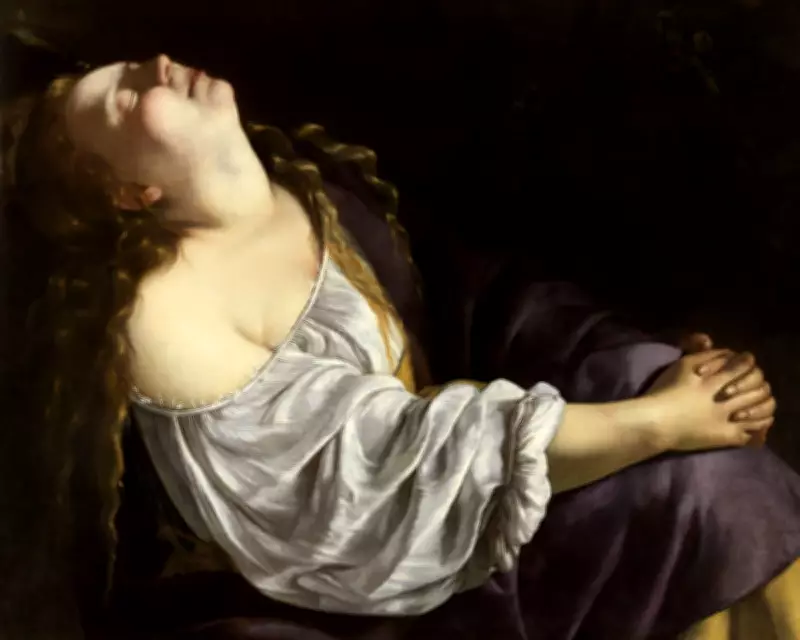
In a striking departure from tradition, Artemisia Gentileschi's painting Mary Magdalene in Ecstasy presents the biblical figure not as a shamed sinner but as a woman in the throes of spiritual ecstasy. Created in the early 1620s, this Italian Baroque masterpiece has recently been acquired by the National Gallery of Art in Washington, DC, and will be displayed to the public free of charge starting 24 February. This acquisition marks a monumental first for the institution, as it is their initial work by Gentileschi, an artist renowned for her powerful portrayals of mythological and biblical women.
Challenging Centuries of Misrepresentation
For centuries, Mary Magdalene's image has been shaped by patriarchal interpretations, often depicting her as a repentant prostitute or a figure of suffering. This misrepresentation can be traced back to a sermon by Pope Gregory the Great in the sixth century, who conflated her with other biblical women, leading to a persistent myth of sexual fall and redemption. Artists like Donatello, Caravaggio, and Rubens reinforced this narrative through works that emphasized penitence, emaciation, or sexualization, using her as a moral warning or an excuse for semi-nudity under the guise of piety.
As scholar Diane Apostolos-Cappadona notes, Mary Magdalene is "the most flexible female figure in Christian art", with her identity layered by cultural and theological shifts rather than clear biblical evidence. The Gospels mention her 12 times, primarily as a witness to Christ's crucifixion and resurrection, yet her reputation has been distorted over time.

A Female Artist's Transformative Vision
Artemisia Gentileschi's interpretation breaks from this tradition by presenting Mary Magdalene as electrifyingly alive and free from patriarchal gaze. In the painting, the woman is shown with flushed cheeks, red lips, and golden hair, glowing in a dark room lit by a flame. She wears a lace-trimmed chemise that slips from her shoulder, but unlike previous depictions, she is not performing for the viewer or repenting. Instead, she exists in a state of sublimity and spiritual encounter, as described by curator Letizia Treves as "passionately alive ... in the throes of ecstatic rapture".
Eve Straussman-Pflanzer, curator at the National Gallery of Art, emphasizes that Gentileschi "endows Mary Magdalene with an electrifying vitality", highlighting a moment of spiritual awakening rather than conversion. This aligns with a broader trend where female artists depict women as active and complex, rather than passive or sinful.
Broader Implications for Art and Society
The acquisition of Gentileschi's painting is more than just an addition to the National Gallery's collection; it represents a shift in how biblical and mythological women are viewed. By portraying Mary Magdalene in ecstasy—a moment that blends aesthetic, physical, sexual, and spiritual elements—Gentileschi challenges the dominant narratives of suffering and sexualization. This reflects a growing movement towards equality in art, as institutions begin to recognize and showcase female perspectives.
In recent decades, the Catholic Church has also revised its stance on Mary Magdalene, acknowledging her as a faithful follower rather than a repentant sinner. In 2016, Pope Francis elevated her to "apostle to the apostles", with 22 July designated as her feast day. This change underscores a broader cultural shift, where women's experiences and contributions are being re-evaluated and celebrated.
As this painting goes on display, it invites viewers to reconsider not only Mary Magdalene's story but also the role of female artists in reshaping historical narratives. Gentileschi's work stands as a testament to the power of art to challenge stereotypes and promote a more inclusive understanding of the female experience.