Forgotten Pioneers: The Radical Female Photographers of the Bauhaus
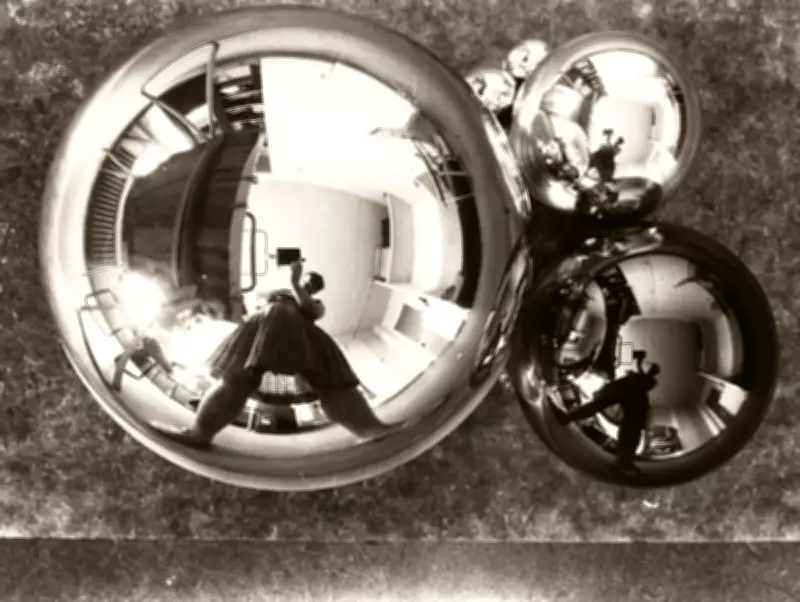
While their images have achieved global fame, the women behind the camera at the Bauhaus have often been relegated to obscurity. A groundbreaking exhibition in Berlin, titled New Woman, New Vision: Women Photographers of the Bauhaus, seeks to rectify this historical oversight by focusing on the pioneering contributions of figures like Marianne Brandt, Lucia Moholy, and others. Running from 17 April to 4 October at the Museum of Photography in Berlin, this show is the first comprehensive examination of their wide-ranging influence, exploring how they probed the boundaries of photography through abstract experiments, architectural shots, and figurative portraits.
The Weimar Republic: A Catalyst for Change
The Weimar Republic (1918-1933) was a period of profound social and cultural upheaval in Germany. As a young democracy grappling with the aftermath of World War I and rapid technological advances, it also witnessed a significant shift in women's roles. With voting rights newly granted, many women aspired to financial independence and professional self-realisation. Photography emerged as a key opportunity, promising both artistic freedom and a viable income, thus becoming a powerful tool for female self-empowerment during this transformative era.
Early Opportunities in Photography
By the late 19th century, photography had already become a significant occupational field for women. Regarded as a handcraft rather than an academically anchored discipline, it offered early career opportunities. Women were often believed to possess skills well-suited to tasks like portrait photography or retouching, leading to a growing number learning the trade in photo studios. Institutional training began with initiatives such as the Berlin Lette Association's photography course for women in 1890 and the Teaching and Research Institute for Photography in Munich in 1905. During the Weimar Republic, the number of female photographers rose steadily as higher education institutions, including the Bauhaus Dessau which established a photography course in 1929, provided professional training to many students, nearly half of whom were women.

Female Photographers at the Bauhaus
Female photographers had been playing a central role at the Bauhaus years before the formal course began. In the early 1920s, photography was used to advertise the school's products and works, with many images captured by professionals like Paula Stockmar, the female-managed Atelier Hüttich-Oemler, and Lucia Moholy. The increasing prevalence of small-format cameras after 1925 sparked a surge of interest among students, who began observing their surroundings through the lens, capturing new and unusual perspectives. Despite the fame of these photos, the women behind them have often been forgotten, a trend this exhibition aims to counter.
Artistic Innovation and Social Commentary
The exhibition delves into how these photographers presented themselves against the evolving societal image of women, often referencing the ideal of the 'new woman' prevalent in the Weimar Republic. They translated this into the modern imagery of the new vision movement, experimenting with photographic design elements such as textures, materiality, directed lighting, and image sharpness in portraits, landscapes, nature studies, and still lifes. Unusual perspectives, extreme high- and low-angle shots, and closeups helped architectural photography break away from its documentary function, transforming it into artistic and sometimes abstract visual compositions. Their works captured everyday life, social inequality, and political upheaval, with many photographers forced into exile, safeguarding their art under changing political circumstances.

Challenges and Legacy
The biographies of these photographers are diverse, reflecting varied personal convictions and relationships. However, they all faced traditional gender roles that limited career opportunities, worsened under Nazism and in postwar western Europe. In a male-dominated art world, their works were marginalised and driven from art-historical memory, leading to a structurally induced invisibility whose effects persist today. Recent studies, such as one by the Berlin initiative Fair Share!, show that works by female-perceived artists, especially mothers, are presented and collected less often, fetching lower market prices and receiving less funding. As long as gender equality in the art world remains elusive, exhibitions like this are necessary not to emphasise distinction, but to combat structural forgetting.
These works demonstrate how female Bauhaus photographers used the camera as both an artistic and social instrument for self-determination, experimentation, and documenting realities. Their relevance endures in contemporary art, highlighting the lasting impact of their innovative methods.