Tracey Emin Advocates for Wealthy Donors to Support Free Museum Access
Renowned artist Tracey Emin has issued a compelling call for affluent individuals to contribute financially to museums and galleries, emphasising that such donations could profoundly impact the preservation of free public access to art. Her remarks coincide with the National Gallery's disclosure of a significant £8.2 million deficit, highlighting escalating funding challenges within the UK's cultural sector.
Funding Pressures Spark Debate Over Free Entry System
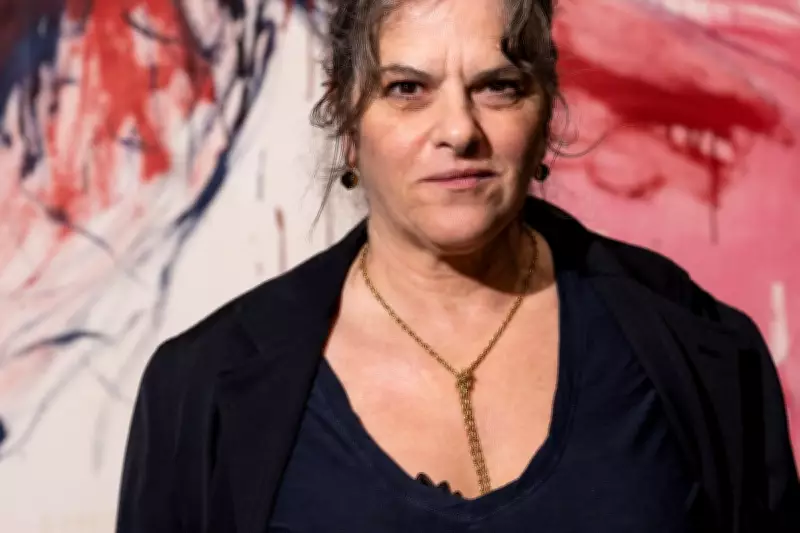
For over two decades, visitors to permanent exhibitions across the United Kingdom have enjoyed complimentary access, a policy instituted by the Labour government in 2001. However, mounting financial strains have ignited a vigorous debate regarding the sustainability of this system, which relies on government subsidies to operate. Emin articulated her stance during the unveiling of Tracey Emin: A Second Life, her extensive career retrospective at London's Tate Modern, where entry to main collections remains free of charge.
"The longer it stays free the better it is for everybody," Emin declared in an interview with The Times. "But I would also say if you are someone like me [one of the country's most successful and wealthiest artists] you should join the membership for every museum you go to, or you should tap and make a donation every time you go there and that would make a hell of a difference."

The 62-year-old artist further urged individuals in responsible positions to secure memberships not merely for a single institution but for every museum they frequent, reinforcing the collective responsibility to safeguard cultural accessibility.
National Gallery's Financial Struggles and Government Considerations
Emin's advocacy emerges against a backdrop of severe financial difficulties at the National Gallery, which has announced substantial cuts to address its £8.2 million shortfall. Annually, the government allocates approximately £480 million to subsidise museums and galleries nationwide. Recent reports revealed that the Treasury contemplated terminating this funding in its November 2025 budget, exploring alternatives such as imposing charges on international tourists.
This proposed measure would have aligned with practices at numerous European museums, where discounts or free entry periods are often extended to EU citizens. However, the plan was ultimately abandoned following resistance from ministers within the Department for Culture, Media and Sport, as reported by ITV.
Industry Support for Free Entry and Tourism Concerns
Sharon Heal, Director of The Museums Association, which represents two thousand institutions across the UK, voiced strong endorsement for the existing free entry policy. "We strongly support free entry to national museums and believe it has been a major cultural policy success which delivers a huge range of cultural, learning and economic benefits," Heal stated.
She cautioned that introducing admission fees for international visitors could tarnish the UK's reputation, potentially adversely affecting tourism and ancillary sectors like retail and hospitality. "Admission charges for international visitors could also cause reputational damage for the UK which would likely impact tourism and affect other sectors like retail and hospitality," Heal added.
International Context of Museum Admission Fees
In contrast to the UK's model, visitors to galleries and museums abroad typically encounter mandatory entry fees. For instance, the Louvre in Paris charges up to €32 (approximately £28) for general admission, while the Reina Sofía in Madrid—home to Pablo Picasso's iconic Guernica—requires €12 (around £10) for access. Across the Atlantic, the Museum of Modern Art in New York, famed for hosting the Met Gala, imposes a $30 (roughly £22) fee for adult tickets.
Emin's impassioned plea underscores the critical juncture at which UK cultural institutions find themselves, balancing financial viability with the democratic principle of free artistic engagement for all.