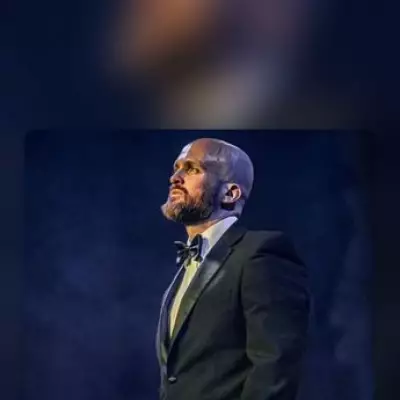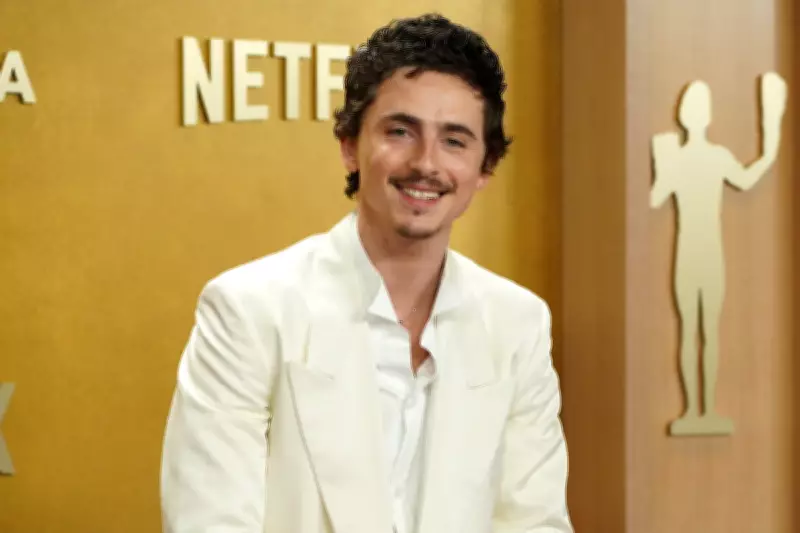
Renowned conductor Gustavo Dudamel has publicly rebuked actor Timothée Chalamet for what he termed an ignorant assertion that "no one cares" about opera and ballet. The celebrated maestro, who is preparing for his inaugural season as music director of the New York Philharmonic, addressed the controversy during a programming announcement event at Lincoln Center's David Geffen Hall on Tuesday night.
Dudamel's Firm Response to Chalamet's Comments
Speaking to an audience comprising donors, musicians, orchestra board members, community leaders, composers, and journalists, Dudamel expressed disappointment over Chalamet's remarks. "Sadly sometimes it's a little bit of ignorance, but, look, that is why we have to open more spaces for people to connect with classical music," Dudamel stated, eliciting loud applause from the gathered crowd.
The Origin of the Controversy
The dispute stems from a conversation between Chalamet and fellow actor Matthew McConaughey at a CNN and Variety town hall held in February at the University of Texas at Austin's Moody College of Communication. When questioned about whether shortened audience attention spans are influencing studio decisions on theatrical films, the 30-year-old Oscar-nominated actor shared his perspective.

"I admire people, and I've done it myself, to go on a talk show and go: Hey, we've got to keep movie theaters alive. We got to keep this genre alive,'" Chalamet remarked. "And another part of me feels like if people want to see it, like 'Barbie,' like 'Oppenheimer,' they're going to go see it and go out of their way to be loud and proud about it. And I don't want to be working in ballet or opera or things where it's like where it's like, 'Hey! Keep this thing alive,' even though no one cares about this anymore. All respect to the ballet and opera people out there. I just lost 14 cents in viewership."
Backlash and Broader Implications
Chalamet's comments, made as he received his third Academy Award nomination for "Marty Supreme," triggered significant online backlash from various arts organisations. In response, Dudamel emphasised the importance of informed discourse. "Everybody has the right to say, but you have to do things with knowledge, with facts. I think we have to say to the young generation, the opposite," he asserted. Dudamel also highlighted the historical connections between art forms, noting, "It's very funny. Cinema is a result of opera, of music, of all of these kind of things."
Invitation from the New York Philharmonic
Seated beside Dudamel during the event, New York Philharmonic CEO Matías Tarnopolsky extended a public invitation to Chalamet. "He can sit with me anytime," Tarnopolsky offered. "I'll give him a free ticket and he's invited to come and hear the New York Philharmonic." This gesture underscores the orchestra's commitment to fostering engagement with classical music among broader audiences, including younger generations.
Dudamel's Vision for Music and Youth
Dudamel, aged 45 and one of the world's most famous conductors, is transitioning from his role as music director of the Los Angeles Philharmonic after 17 seasons to lead the New York orchestra this summer. During his speech, he momentarily feigned unfamiliarity with Chalamet, quipping, "Which is the name of that?" before the audience's laughter cut him off. He then delivered a poignant message: "That way of thinking has to end. Music is reborn all the time and it brings us the values of empathy through the beauty of what it is. So this is the reality of music. This is the real dimension of music and we need that more for our young people."
This exchange highlights ongoing tensions between traditional performing arts and contemporary entertainment, with Dudamel advocating for greater accessibility and appreciation of classical forms. His remarks serve as a call to action for cultural institutions to bridge generational divides and promote the enduring relevance of opera and ballet in modern society.