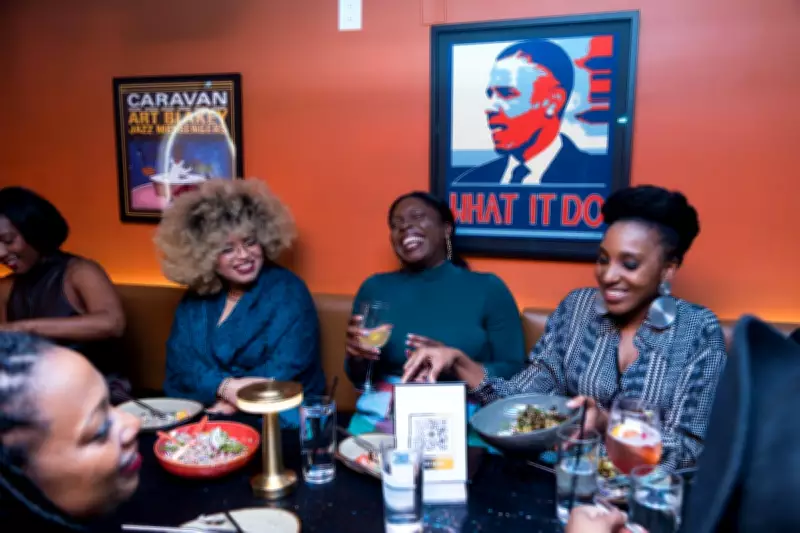
The Rise of Black Women's Supper Clubs
In recent years, supper clubs organised by and for Black women have gained significant momentum across the UK, creating vibrant spaces for connection, cultural expression, and mutual support. These gatherings, often held in homes or intimate venues, are more than just social events; they represent a grassroots movement aimed at fostering community and addressing issues of isolation and representation.
A Space for Authentic Connection
These supper clubs provide a unique environment where Black women can share stories, experiences, and traditions in a setting that feels safe and inclusive. Participants often describe these events as transformative, offering a respite from the daily challenges of navigating predominantly white spaces. The emphasis is on creating an atmosphere of authenticity, where conversations can flow freely without the need to code-switch or conform to external expectations.
Cultural Celebration and Empowerment
Food plays a central role in these gatherings, with meals often featuring dishes that reflect the diverse culinary heritage of the African diaspora. From traditional recipes passed down through generations to modern fusion creations, the cuisine serves as a catalyst for storytelling and cultural pride. Beyond the dining table, many supper clubs incorporate elements such as music, poetry, and discussions on topics ranging from mental health to entrepreneurship, empowering attendees to explore their identities and aspirations.

Addressing Social Isolation
Research indicates that Black women in the UK often face higher rates of social isolation due to factors like racial discrimination and cultural barriers. Supper clubs have emerged as a practical response to this issue, offering regular opportunities for networking and friendship-building. Organisers report that these events help combat loneliness by creating lasting bonds and support networks that extend beyond the initial gatherings.
Growth and Future Prospects
The popularity of Black women's supper clubs is on the rise, with new groups forming in cities across the country. Many organisers are now expanding their reach through digital platforms, hosting virtual events to connect women in different regions. As this movement continues to grow, it is poised to influence broader cultural conversations about community, belonging, and the power of shared spaces.
In summary, Black women's supper clubs are not merely dining experiences; they are vital hubs of cultural resilience and empowerment. By prioritising connection and celebration, these gatherings are reshaping social landscapes and offering a model for inclusive community building that resonates far beyond the dinner table.