Belgium's Beguinages: Serene Sanctuaries for Women Through Centuries
The Princely Beguinage Ten Wijngaerde in Bruges stands as a tranquil refuge for women, providing a peaceful escape from the city's bustling tourism and modern distractions. Amid the constant clatter of suitcases on cobblestones, the chugging of motorboats along canals, and the chatter of visitors in multiple languages, this hidden sanctuary offers a profound sense of calm.
A Hidden Oasis of Peace
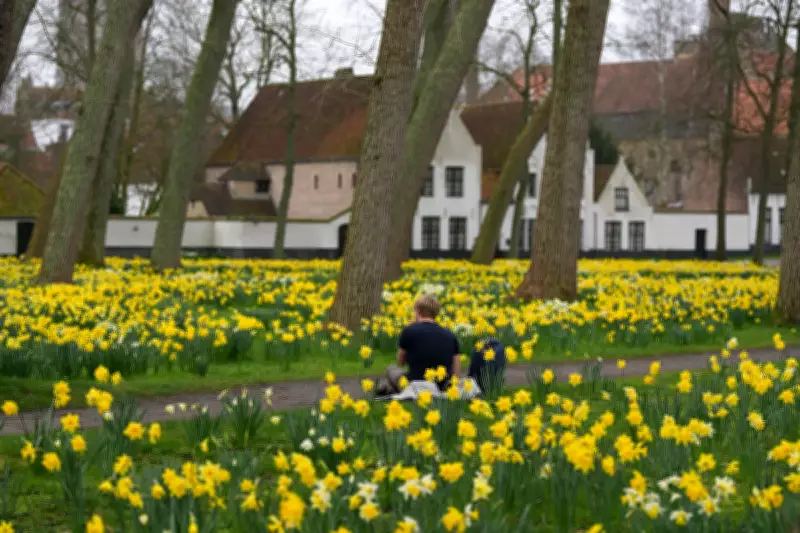
Located just over a small bridge and beneath an ornate arch engraved with the Latin word "sauvegarde" meaning "safe place," the beguinage nestles among a sea of yellow daffodils. Founded in 1245, this oasis of tranquility has been home to Trees Dewever for twenty-two years. She describes it as providing "an overwhelming feeling of calm, and I think we need that in this world."
Her neighbor, Jo Verplaetsen, who has resided there for twenty-three years, emphasizes the soothing and social spirit of this medieval shelter. "Each day you are thankful to be here," she reflects, highlighting the enduring appeal of the community.

Historical Refuge from Medieval Woes
Despite its current serenity, the beguinages originated in the aftermath of twelfth-century conflicts that devastated the male population. This created a surplus of widows and single women seeking stability. According to Michel Vanholder, a volunteer at the Grand Beguinage Church of Mechelen, these women often chose the looser rules of beguinages over stricter convents.
"They didn't want to become nuns but nevertheless wanted to live together without men because there were not enough men to marry," he explains. Women who joined, known as beguines, were forbidden to marry while residing there but enjoyed freedoms such as free egress, property ownership, and exemption from religious vows of celibacy and poverty.
Brigitte Beernaert, a resident for over two decades, notes that beguines provided an in-between option for women not wanting full religious commitment. They often worked caring for the sick and poor, earning money through needlework and lace weaving, with some reinvesting profits into the community.
Architectural and Cultural Legacy
Architecturally, beguinages were designed to foster comfort, quiet, and safety, featuring small gardens in accessible alleys or around main squares with houses facing common courtyards. A chapel or church typically served as the community's heart. Today, UNESCO recognizes thirteen beguinages in Flanders as World Heritage sites.
German tourist Biata Weissbaeker, visiting with her husband Achim, underscores the ongoing importance of such spaces: "Women need a place like this: a safe place that gives them the possibility to go inside themselves."
Evolving Traditions in Modern Times
Although the last beguine in Belgium, Marcella Pattijn, died in 2013 at age ninety-two, the core tenet of safety persists. "Once you are in here, you are safe—that was literal in the Middle Ages, but today it's more like a safe place for women alone," explains a resident. The Bruges beguinage remains women-only, though the city now owns and maintains the grounds, with residents renting from municipal authorities.
To foster community, beguinages organize public activities like gardening and open houses. In Bruges, residents recently planted raspberry bushes near the canal and maintain beehives for honey. Beernaert captures the essence: "The world is terrible for the moment, and this gives us the impression that it's still safe here. This gives Bruges a little bit of a small paradise, and living inside that paradise feels unbelievable."