Barbican Arts Director's Shock Exit Amid Major Leadership Overhaul
Barbican Arts Director Exits Amid Leadership Changes

Barbican Arts Director's Sudden Departure Creates Leadership Void

In a surprising development for one of London's premier cultural institutions, Devyani Saltzman is stepping down from her role as director of arts and participation at the Barbican Centre. This unexpected exit occurs merely weeks after the arrival of the venue's new chief executive, Abigail Pogson, and months before the commencement of a historic £451 million renewal project.

Timing Raises Eyebrows Amid Organisational Flux

Saltzman, who assumed her position in February 2024, had recently unveiled an ambitious five-year creative vision for the Barbican. Recognised as one of the forty most influential women in the UK arts sector, she was widely regarded as the "driving force behind the organisation." Her responsibilities encompassed the curation of the artistic programme and spearheading community engagement initiatives, making her the public face of the centre over the past eighteen months.

The Barbican has declined to officially confirm Saltzman's departure. A spokesperson stated the institution would be "unable to comment on individual staffing matters." It remains unclear when her exit will be formalised, and there are currently no announced plans to appoint a successor, creating a significant vacuum in the senior leadership team.

A History of Recent Leadership Instability

This latest change continues a period of notable turbulence at the top of the Barbican. In 2021, managing director Nicholas Kenyon resigned after fourteen years following internal allegations of institutional racism. His successor, former BBC arts correspondent Will Gompertz, departed after only two years to join Sir John Soane's Museum.

Saltzman was part of a new leadership structure of seven senior executives installed after the organisation moved away from the single managing director model. All seven report directly to the newly appointed CEO, Abigail Pogson, who commenced her role last month.

Navigating Controversy and Forging a New Path

Saltzman's tenure began amidst controversy when the Barbican withdrew from hosting a talk by author Pankaj Mishra concerning the Holocaust and allegations of genocide in Gaza. This decision led several artists to withdraw their work from a concurrent exhibition. One of Saltzman's initial acts was to engage directly with Mishra, an action seen as instrumental in rebuilding trust between the institution and segments of the artistic community.

She was a vocal advocate for diversifying leadership within London's cultural landscape to better reflect the city's population. "We are actually in a new wave of next-generation leadership that hopefully is going to shift the model," she remarked in 2024.

Major Refurbishment Looming on the Horizon

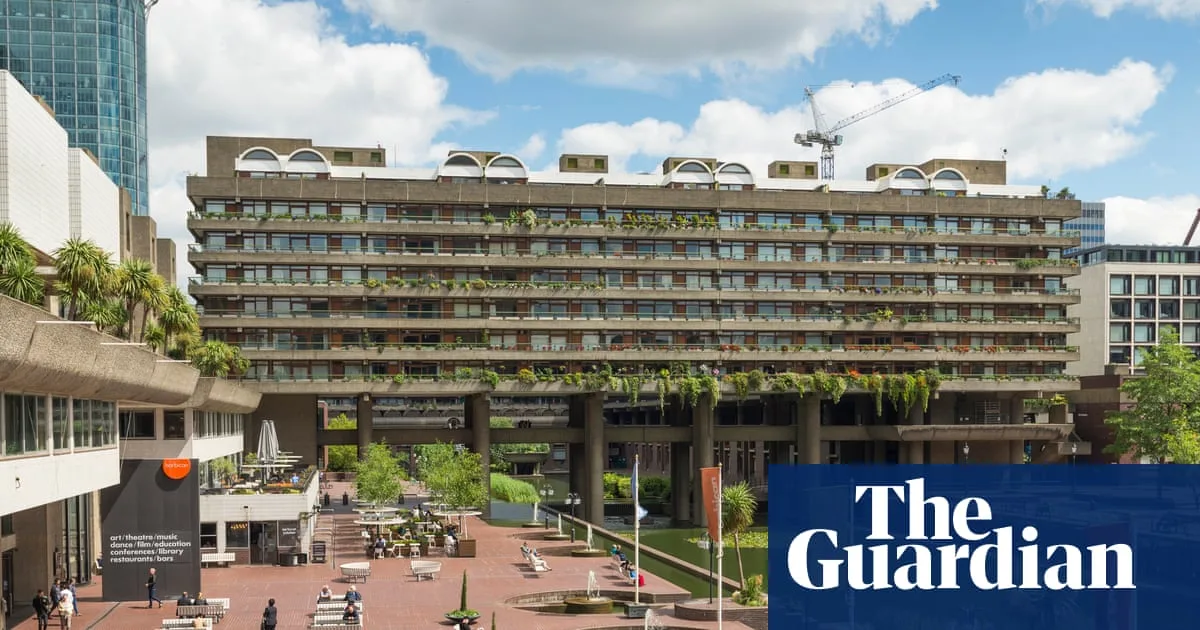
The leadership transition occurs as the Barbican prepares for the most extensive renewal project in its forty-two-year history. Under CEO Abigail Pogson's oversight, the centre will undergo a twelve-month closure of its theatre, music venue, and galleries starting in June 2028. The first phase of this transformative work carries a price tag of £231 million, with the total project cost estimated at £451 million.

Since its opening in 1982, the Barbican has evolved from a facility primarily serving the 4,000 residents of its surrounding estate into a major national cultural attraction. It now welcomes over 1.5 million visitors annually, cementing its status as one of the United Kingdom's most frequented cultural destinations.

The departure of a key visionary like Saltzman, just as the institution gears up for this monumental physical and creative renewal, marks a critical juncture for the future direction of this iconic London arts centre.