Banksy's Identity Reportedly Uncovered as Robin Gunningham in Reuters Investigation
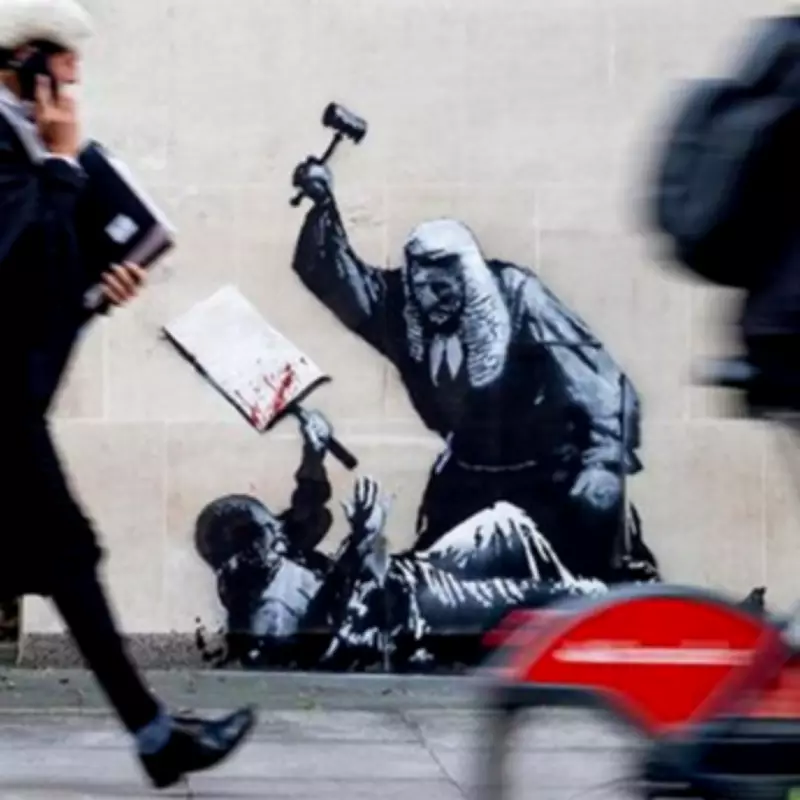
The long-concealed identity of the world-renowned street artist Banksy has allegedly been revealed following an exhaustive investigation by the news agency Reuters. According to their findings, Banksy is Robin Gunningham, who reportedly changed his name to David Jones several years ago. This revelation challenges decades of speculation and mystery surrounding the artist, whose simple yet sophisticated stencil paintings have generated tens of millions of pounds in sales and captivated global audiences.
Decades of Speculation and Anonymity
Banksy's graffiti artworks first appeared on walls across the United Kingdom decades ago, sparking intense debate about his true identity. Many critics argue that his anonymity is as crucial to his artistic impact as the stencils and paint he uses, allowing him to critique power structures without fear of retaliation. The artist's lawyer, Mark Stephens, has consistently defended this privacy, warning that exposure could endanger Banksy and interfere with his creative process.
Reuters' In-Depth Investigation Methods
To unmask Banksy, Reuters conducted a comprehensive probe titled In Search of Banksy. The investigation involved:

- Examining statements from Banksy and close associates about his identity.
- Interviewing a dozen insiders and experts from the Banksy art world.
- Unearthing previously undisclosed U.S. court records and police reports.
- Gathering information from a trip to Ukraine, where Banksy met with locals.
- Investigating a reported fallout with Jamaican photographer Peter Dean Rickards, who allegedly posted images of Banksy's face.
Additionally, the team analyzed New York arrest documents from 2000, which included an apparent signed, handwritten confession. The investigation explicitly dismissed long-standing rumours that Banksy is Robert Del Naja, the frontman of the band Massive Attack.
Legal Pushback and Privacy Concerns
In response to the inquiry, Banksy's lawyer, Mark Stephens, wrote to Reuters stating that his client does not accept that many of the details contained within your enquiry are correct. Without confirming or denying Banksy's identity, Stephens urged the agency not to publish the report, arguing it would violate the artist's privacy, interfere with his art, and put him in danger. He emphasised that anonymity protects freedom of expression by enabling creators to speak truth to power without fear of censorship or persecution.
Historical Context and Previous Claims
Reuters' conclusion aligns with a 2008 report by the Mail on Sunday, which also named Robin Gunningham as Banksy. This consistency across separate investigations adds weight to the claim, though it remains unverified by Banksy himself. The artist's enduring popularity and enigmatic persona have made his identity one of the most debated topics in contemporary art, with fans and scholars alike pondering the man behind the iconic stencils.
As the art world digests this potential unmasking, the debate over whether revealing Banksy's identity undermines his work or merely satisfies public curiosity continues. The investigation highlights the tension between journalistic pursuit and artistic privacy in an era where anonymity is increasingly rare.