Arts Council England Confronts Legal Challenge Over Magazine's Decision to Withdraw Poet's Work
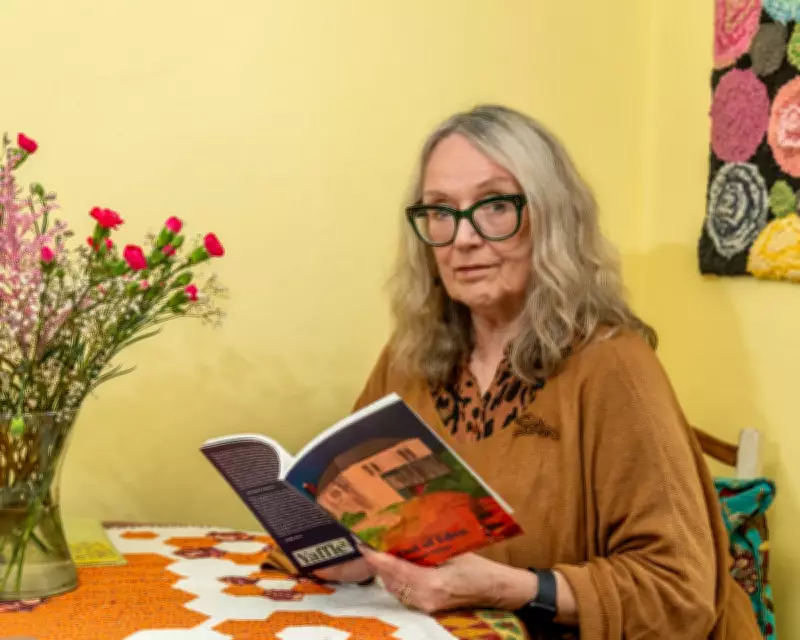
Arts Council England (ACE) is facing a potential legal battle after a publicly funded magazine withdrew a poet's work from publication, citing concerns over her "social media presence." The poet, Abigail Ottley, believes this refers to her gender-critical posts, and her solicitors have accused the magazine of discrimination, threatening ACE with litigation if the matter is not resolved.
Details of the Controversial Withdrawal
Ottley's poem was accepted for publication by the Aftershock Review in September. However, in October, she received an email from the magazine informing her that it had decided not to proceed with publishing her work. The email stated, "Following an internal review, and in light of concerns raised about your social media presence, we've decided not to proceed with publishing your work in this issue." It further explained that as a trauma-informed and inclusive publication, Aftershock has a duty of care to ensure contributors and readers feel safe and respected, and the decision was final.
According to a legal letter sent to ACE by Conrathe Gardner LLP on behalf of Ottley, she did not receive a response when she asked for clarification about what specific element of her social media activity led to the withdrawal. The letter argues that ACE "failed" to conduct a sufficient inquiry into the decision made by Aftershock Review, which the lawyers accuse of discrimination.

Funding and Complaints Escalate the Issue
Aftershock Review was launched last year by Max Wallis and has received significant funding from Arts Council England. According to ACE data, the magazine was granted £32,368 in April 2025, with an additional £60,000 awarded on 28 January. This public funding has brought the decision under scrutiny, as grantees are required to comply with the Equality Act 2010, which prohibits discrimination.
After the withdrawal, Ottley complained to ACE in November and also approached the Freedom in the Arts (FITA) organisation, which lodged a complaint that same month. FITA noted that Ottley's social media activity "consists primarily of expressing and re-posting gender-critical views," including retweeting prominent voices like JK Rowling.
Arts Council England's Response and Legal Demands
On 28 January, ACE responded to Ottley's complaint, stating that it did not identify a breach of its terms and conditions of funding in Aftershock's decision-making. An email from ACE, cited in the legal letter, mentioned, "Although we are unable to provide specific details of our review, I hope it is helpful to mention that the grant-holder confirmed that your poem was not withdrawn due to your gender-critical beliefs."
However, Ottley's solicitors have challenged this, arguing that in the absence of further clarification, there are sufficient facts to establish that the reason for discrimination was her gender-critical beliefs. The legal letter demands that ACE disclose all documents related to the complaint's dismissal in January. To avoid litigation, it asks ACE to re-open the complaint, conduct a lawful and thorough investigation, and review its decision to fund Aftershock.
Ongoing Proceedings and Silence from Involved Parties
A spokesperson for Arts Council England has stated that they will not comment at this stage, "as legal proceedings are ongoing." Similarly, the Aftershock Review has not responded to requests for comment, leaving the situation unresolved and highlighting tensions between artistic freedom, inclusivity policies, and legal obligations in publicly funded arts organisations.