Artist's Nappy Costume Performance Highlights Sewage Crisis and Personal Struggle
Artist's Nappy Costume Performance Highlights Sewage Crisis

Artist's Radical Performance in Polluted Thames Sparks Conversation on Sewage Crisis

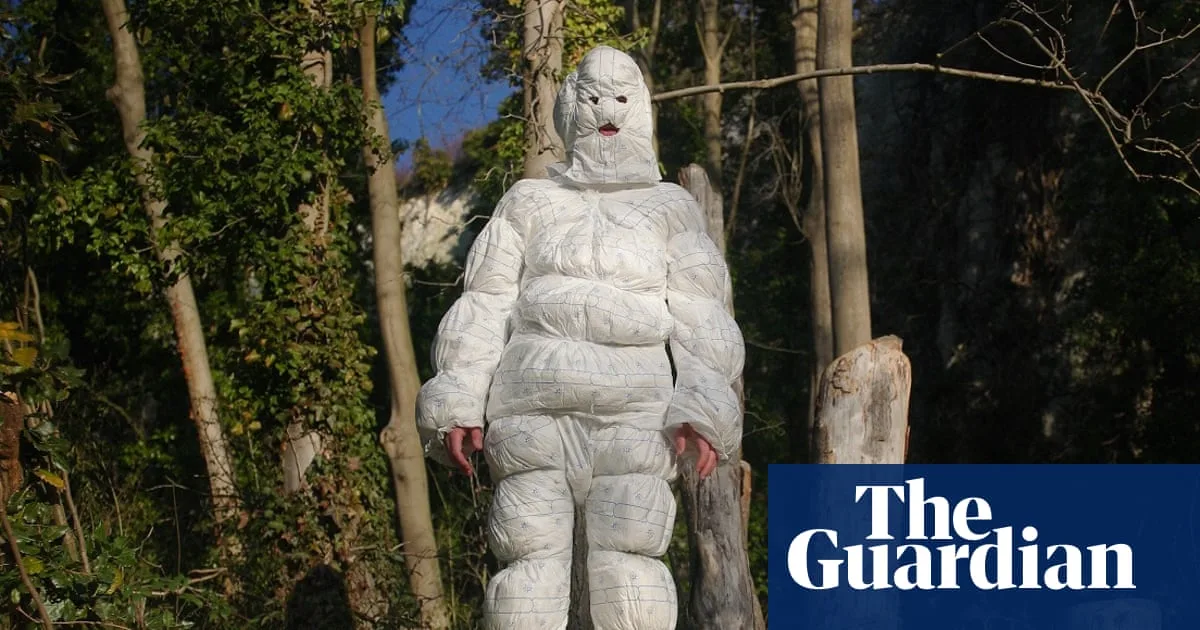
On the Deptford foreshore, a haunting figure slowly sinks into the murky waters of the Thames. Performance artist Zack Mennell, who stylizes their name in lowercase, wades waist-deep as spectators watch with a mixture of fascination and concern. Their extraordinary costume, meticulously crafted from 24 adult nappies, begins to swell with contaminated water and waste, creating a powerful visual statement about environmental degradation.

From Concept to Dangerous Reality

Mennell's ambitious project, titled (para)site, emerged as a direct response to alarming revelations about sewage discharge in British waterways and the stigmatization of benefit claimants as societal parasites. "OK," Mennell decided, "I'm going to be the parasite." This artistic statement took an unexpectedly literal turn when the artist contracted Weil's disease from rat urine present in the polluted Thames water, highlighting the very real dangers of environmental contamination.

Growing up near the chalk pits of Thurrock, Essex, Mennell developed an enduring connection to the Thames that would shape their artistic journey. The river became both sanctuary and inspiration during their path to sobriety and continues to feature prominently in their work, including their latest film project, "a sea change." "I feel like I'm working with it," Mennell reflects about their relationship with the water, "sometimes arguing with it too."

Queer Performance Art as Community Building

As artist-in-residence at Rat Park, a queer performance and discussion series, Mennell has explored themes of pollution and shame through visceral performances involving thickening agents and audience participation. While their work can challenge viewers, Mennell emphasizes that "it's a confrontation, but it's also about finding a moment of connection." They reject simplistic interpretations of live art, asserting it's "not just people getting naked because they want to."

In March, Mennell extends this philosophy through Common Host, a weekend of performances, screenings, and workshops at Peckham's Safehouses that engages with ancient folklore and ecological decay. Supported by experimental producers Future Ritual, the event features work from artists including frequent collaborator Martin O'Brien. "Queer performance is often working with friends or lovers," Mennell observes, noting this dynamic is particularly valuable when addressing sensitive topics.

Personal Documents as Artistic Material

Mennell's work frequently intersects with deeply personal themes of queerness, disability, and survival. During a university period marked by mental health struggles, they accumulated numerous NHS psychiatric documents that spoke "about me and never to me." In a powerful Thames performance, Mennell held these documents printed on rice paper, allowing the words to dissolve into the water as a symbolic release.

The adult-nappy costume, which Mennell attempted to preserve despite its unhealthy odor, became a vehicle for further exploration. In another performance, audiences read these clinical documents aloud, collectively dissolving their power through shared examination. "Using these cold, official documents as material in performance has been the only way I could change my relationship with this growing pile," Mennell explains.

Creating Space for Collective Healing

Common Host includes a day-long workshop inviting participants to examine difficult relationships with "contaminated" materials and redefine their personal connections to them. "It's an invitation," Mennell says, "to look at your relationship to an object and redefine it." The event represents what Mennell describes as a natural curation of artistic community, drawing together like-minded creators who share concerns about environmental and social issues.

For Mennell, queer community represents a vital alternative to traditional family structures. "Queer community is the understanding that our society's focus on family isn't so sturdy," they explain. "For me, it was coming to London to be among people that are like me. This community means everything. Being together is how we go on. It's a reason to live."

Through their challenging yet compassionate performances, Zack Mennell continues to bridge personal experience with political commentary, creating temporary communities that confront environmental degradation while exploring what it means to survive and connect in contemporary society.