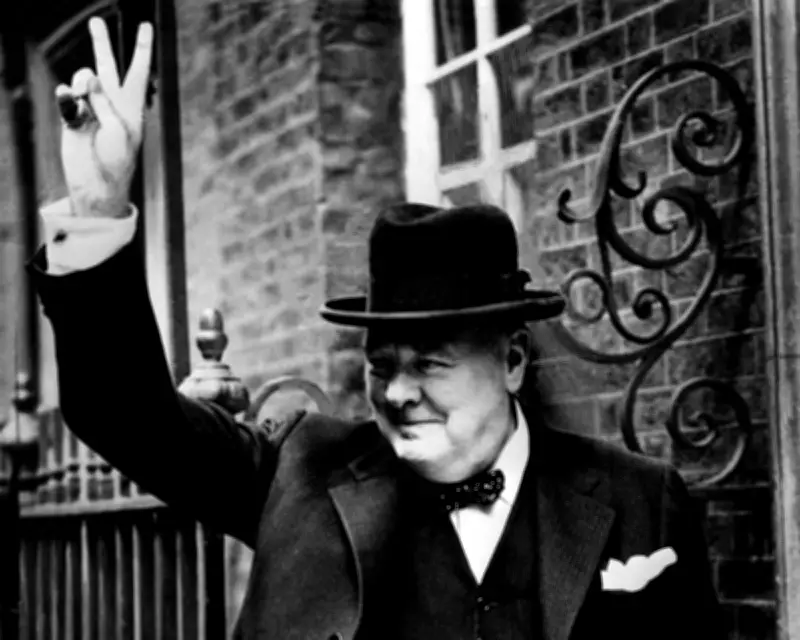
Turner Prize-winning artist Helen Cammock has defended her video piece installed at the National Portrait Gallery (NPG), which has sparked controversy over its claims about Winston Churchill's role in the Bengal famine of 1943. The 40-minute moving image work, titled Persistence, includes a narration where Cammock draws a parallel between Oliver Cromwell's campaigns in Ireland and what she describes as the 'wilful starvation of the Indian population by Winston Churchill'.
Background of the Controversy
Lord Roberts of Belgravia, a biographer of Churchill, led a group of more than 50 peers in writing to the NPG directors, condemning the claim as a 'barefaced lie' and labeling the film an 'ideologically motivated rant'. The Telegraph also criticized the work, stating that the assertion that Churchill caused the famine is 'incorrect'.
Cammock's Defense
In a statement to the Guardian, Cammock explained that her work 'thinks about the role of the portrait historically and its relevance today. It considers who is honoured and valorised and who is not; whose stories are told and whose are not … and how histories are created and then maintained.' She emphasized that the piece is not a documentary but a creative exploration of ideas in response to the NPG's collection and archives.

Historical Debate on Churchill's Role
The Bengal famine, which resulted in an estimated 3 million deaths in eastern India, remains a fiercely debated topic among academics. Many historians argue that Churchill's policies, including the diversion of food supplies to the British empire during World War II, contributed to the famine. Others contend that the famine was caused by natural disasters, local mismanagement, and wartime supply issues, and that Churchill took measures to alleviate the shortage once he became aware of its severity.
According to some accounts, Churchill ignored warnings about rice shortages and ordered food stockpiling for the army in 1942, exacerbating the famine a year later. Relief efforts began by the end of 1943, but the death toll had already reached significant levels.
Broader Context of Criticism
Cammock is not the first Black British artist to face criticism from right-wing media. Southbank chair Misan Harriman was previously accused of spreading 'antisemitic conspiracies' over a tweet about media coverage of a Muslim victim. In December 2025, reports emerged that a portrait of Queen Elizabeth II by David Bailey had been replaced by a pan-African flag work by Larry Achiampong at the Foreign Office, which Achiampong linked to anti-immigrant sentiment.
Anonymous artists told the Guardian that the Churchill row is part of a politically motivated attempt to silence artists and institutions.
NPG's Response
The National Portrait Gallery confirmed receipt of Lord Roberts' letter and stated it would respond. The gallery noted that no visitor complaints about the artwork had been received. The piece, commissioned in 2023, will remain on display until August. The NPG said it 'supports freedom of artistic expression while not necessarily endorsing the opinions expressed by any of the artists shown at the gallery'.
Cammock added that the NPG is 'an incredibly important public resource' and it is vital for it to continue engaging in dialogue about the works in its custody and their historical relevance.