Anozero Biennale in Coimbra Confronts Gentrification with Anarchist Art
Anozero Biennale Fights Gentrification with Anarchist Art

Anozero Biennale in Coimbra Takes a Stand Against Gentrification

In the historic Portuguese city of Coimbra, the Anozero art biennale is making waves with a confrontational approach that challenges the very foundations of contemporary art festivals. Set against the backdrop of the semi-derelict Monastery of Santa Clara-a-Nova, this year's edition, titled Segurar, dar, receber ("To hold, to give, to receive"), draws inspiration from anarchist philosophy to protest plans to convert the 17th-century convent into a hotel.

Haunted Spaces and Artistic Warnings

The festival transforms the monastery into a haunting experience, with installations like Taryn Simon's Start Again the Lament, featuring disembodied voices in multiple languages echoing through dark corridors. These spectral elements serve as a stark reminder of the building's past as a nunnery and barracks, while also whispering warnings to developers about the potential unrest that could haunt their investment.

Carlos Antunes, co-founder and director of Anozero, has threatened to cancel the festival if the government's Revive programme proceeds with hotel development. "I don't have a plan B. This is my fight," he declares, emphasizing the festival's role in keeping the space accessible to the public through art.

Wide Pickt banner — collaborative shopping lists app for Telegram, phone mockup with grocery list

Rethinking the Biennale Format

Anozero positions itself as an antidote to biennale fatigue, critiquing the global proliferation of art festivals that often prioritize international elites over local engagement. With over 200 biennales worldwide, concerns about carbon footprints and gentrification have sparked an identity crisis in the art world. Anozero's 2023 manifesto calls for festivals to evolve into experiments in communal living, dreaming up new uses for historical sites rather than merely showcasing art.

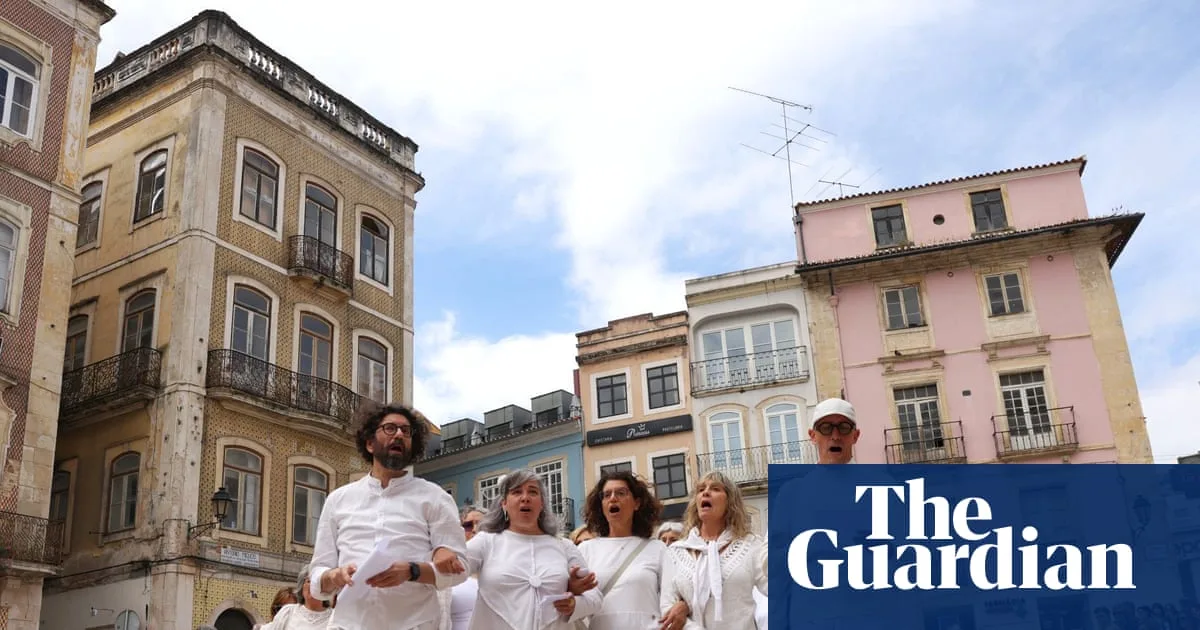
This year's anarchist theme, inspired by Peter Kropotkin's ideas on mutual aid, translates into community-focused events. For instance, Vasco Araújo led a choral procession of 260 local singers through Coimbra, bridging the gap between the city's residents and the contemporary art temple atop the hill.

Local Context and Student Activism

Coimbra's unique culture of protest, embodied by more than 20 leftwing and anarchist student fraternities known as repúblicas, offers a natural ally for Anozero's mission. These self-managed housing projects, with names like Republic of Ghosts, provide shelter for disadvantaged students and practice mutual care. However, the festival has been critiqued for not fully integrating these local activists into its displays, instead focusing on theoretical exhibits like books on anarchist town planning.

Jaime Miranda, a veteran of the repúblicas, notes, "The biennale attracts a certain elite," highlighting a disconnect that Anozero aims to address in future editions. The festival's collaboration with Manifesta in 2028 promises to further explore these local connections.

Uncertain Future and Artistic Resilience

Despite its ambitious goals, Anozero faces an uncertain future. The monastery's potential conversion into a hotel looms large, with installations like Inside Outside's garden project—planting citrus and kumquat trees—serving as a hopeful but fragile gesture towards sustainability. Overnight stays in monkish cells, featuring experimental films, blur the line between protest and compromise, reflecting the festival's struggle to define its stance.

As Anozero runs until 5 July, it stands as a poignant example of how art biennales can confront gentrification and foster community, but also underscores the challenges of balancing artistic vision with practical survival in a rapidly changing urban landscape.

Pickt after-article banner — collaborative shopping lists app with family illustration