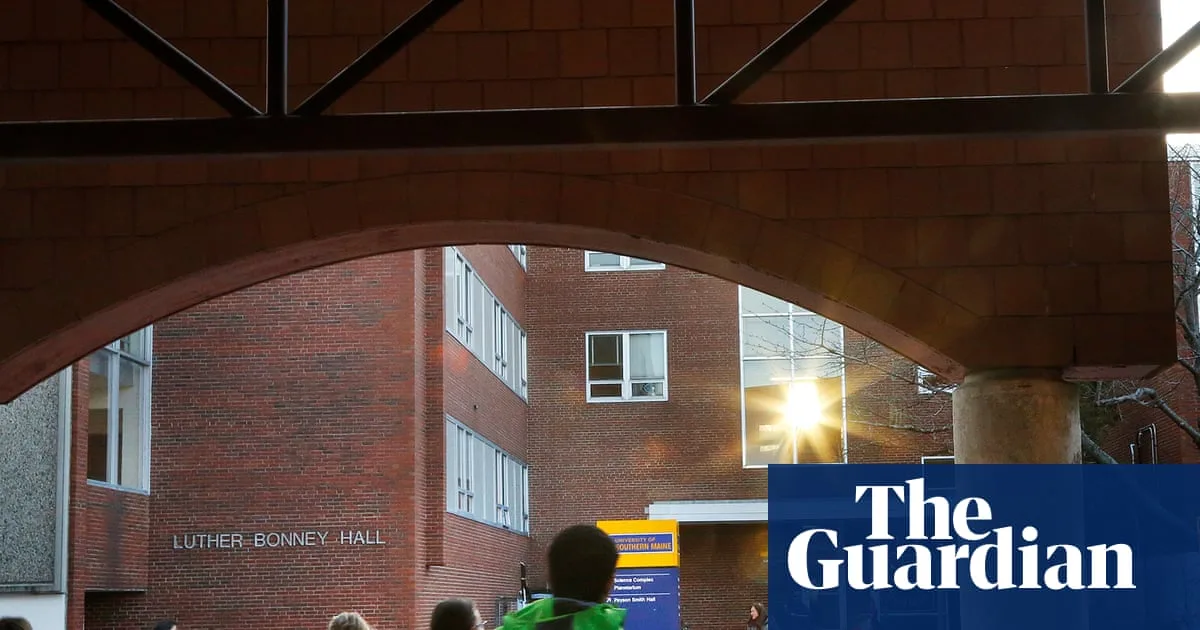
The University of Southern Maine (USM) has revoked access to an on-campus venue for a conference on Palestine, citing US sanctions against a participating speaker. The event, titled 'Consequence of Palestine', was scheduled to include remote participation from Francesca Albanese, the UN special rapporteur for the occupied Palestinian territories, who has been under US sanctions since last year.
More than 300 participants had registered for the conference, organised by the Maine Coalition for Palestine, Maine Voices for Palestinian Rights, and USM's criminology and sociology department. Organisers are now scrambling to find a last-minute venue and have not ruled out legal action, arguing that the university's decision suppresses free speech protected under the First Amendment.
Samantha Warren, the University of Maine system's chief external and governmental affairs officer, stated that hosting a conference promoted as including a sanctioned speaker would violate federal law. However, guidance from the US Office of Foreign Assets Control in December clarified that featuring Albanese remotely, without payment or assistance, does not constitute a prohibited service and does not require prior authorisation.
Xiangnong Wang, a staff attorney at the Knight First Amendment Institute, described the cancellation as a troubling reflection of the sweeping impact of US sanctions. He noted that sanctions continue to have a broad deterrent effect on protected speech, despite a 2023 settlement where the Treasury Department acknowledged that including sanctioned speakers in events is not prohibited.
Organisers believe USM administrators responded to outside pressure, including a letter from Republican lawmakers. However, Warren denied this, stating that the contract was terminated before the letter was received. Abigail Fuller, a USM sociology professor, said university officials cited fears of federal funding cuts and later rejected an offer to remove Albanese from the programme, claiming insufficient time to assess risk.