UK Intelligence Chiefs Brief Universities and Politicians on China-Russia Spy Threat
UK Intelligence Chiefs Brief Universities on China-Russia Spy Threat

UK Intelligence Chiefs Deliver Urgent Spy Threat Briefings to Universities and Politicians

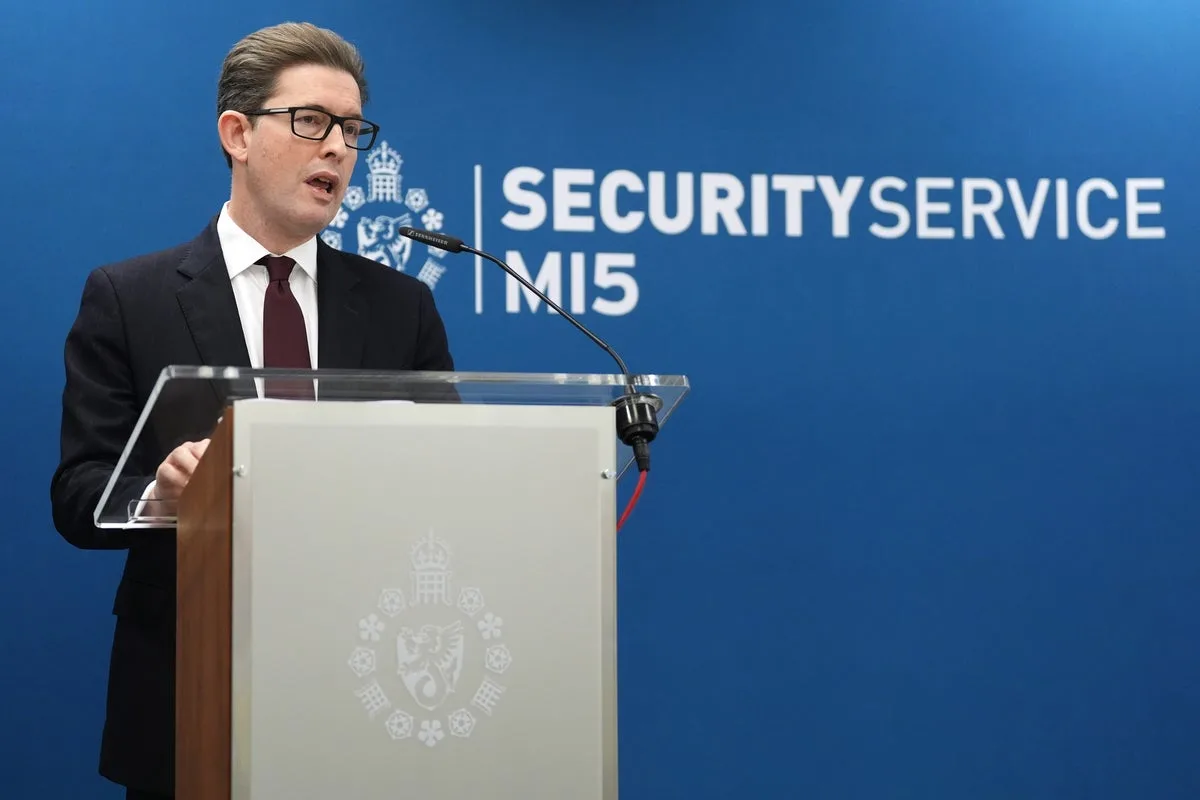
Britain's top intelligence officials have conducted unprecedented security briefings for both university leaders and political representatives, warning of substantial foreign interference threats originating from nations including China and Russia. Sir Ken McCallum, the Director General of MI5, alongside Richard Horne, Chief Executive of the National Cyber Security Centre, convened with vice-chancellors from more than 70 higher education institutions. They meticulously outlined the sophisticated methods hostile actors employ to influence academic research and teaching content.

Detailed Tactics of Foreign Interference Revealed

The intelligence chiefs specifically highlighted how Chinese agents utilise professional networking platforms such as LinkedIn to recruit academic staff and students. They also detailed the use of financial inducements as part of these covert operations. In a separate, landmark security briefing, the intelligence heads informed officials from all UK political parties about adversaries' systematic attempts to manipulate the nation's democratic processes. This dual-pronged approach underscores the breadth of the threat facing both academic freedom and political integrity.

This development follows MI5's November warning to MPs, peers, and parliamentary staff regarding Chinese espionage activities conducted through recruitment head-hunters. Additionally, in December, the Government initiated a review of foreign financial interference after the imprisonment of Reform UK's former Wales leader for accepting Russian bribes during his tenure as an MEP. The briefing for university leaders was formally announced in November as a key component of a comprehensive strategy to counter political interference and espionage.

New Security Measures and Government Investment

A robust package of measures to tackle state interference in higher education, supported by a £3 million government investment, includes the establishment of a secure portal. This portal will enable university leaders to report suspicious approaches directly to the security services in a confidential manner. The Department for Education is set to consult the academic sector on a new proactive advisory service, while updated guidance is being published to assist students and staff in recognising and responding to these threats.

Skills Minister Baroness Jacqui Smith emphasised the gravity of the situation, stating: "Our universities' world-class reputation makes them a prime target for foreign states and hostile actors, who seek to erode that reputation by shaping or censoring research and teaching. We do not take this lightly. We are working together across government and with universities themselves to defend the UK's thriving academic environment. By working together and sharing information, we are standing united against political pressure from foreign state actors."

Security Minister Dan Jarvis added: "We have to be clear-eyed that our world-class universities and democratic processes are being targeted by states who want to undermine our way of life. That's why we're launching a new tool to help universities get support from security experts, as well as making sure people at the heart of our democracy know how to report foreign interference."

Academic and Institutional Responses

Tim Bradshaw, Chief Executive of the Russell Group of universities, welcomed the new initiatives, noting: "The new single point of contact for advice on foreign interference will empower institutions to report and take action more swiftly and confidently, knowing there is support in place." This sentiment reflects a broader academic commitment to safeguarding research integrity.

The briefings occur against a backdrop of specific incidents, including a November case where lawyers alleged that a UK university halted an academic's research into forced labour in China following pressure from Chinese authorities. Leigh Day Solicitors revealed that internal documents from Sheffield Hallam University, obtained through freedom of information and subject access requests, suggested the institution had banned Professor Laura Murphy, a leading human rights scholar, from continuing her research. The university later apologised to Professor Murphy and reaffirmed its commitment to supporting her work, highlighting the complex challenges universities face in balancing academic freedom with security concerns.

These coordinated efforts by intelligence agencies, government departments, and academic institutions represent a significant escalation in the UK's defensive posture against foreign espionage and interference, aiming to protect both educational excellence and democratic stability from covert threats.