UCL Islamic Society's Tribute to Ayatollah Khamenei Ignites Political Firestorm
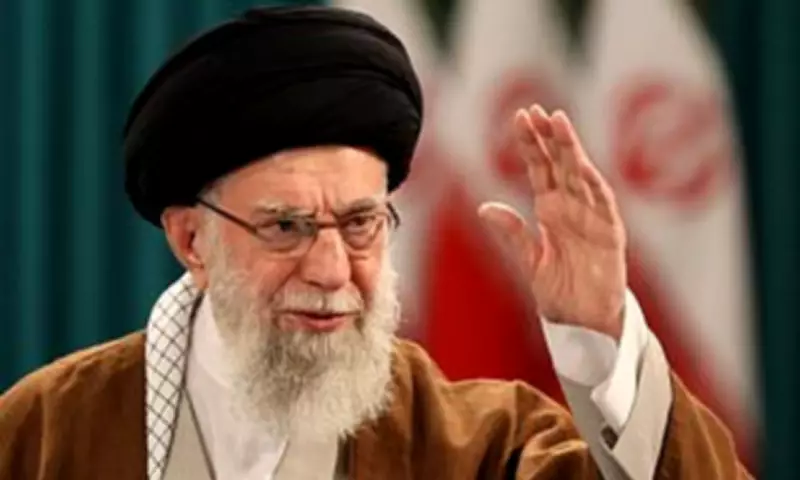
The Ahlul-Bayt Islamic Society (ABSoc) at University College London has provoked widespread outrage and condemnation by publicly mourning the death of Ayatollah Ali Khamenei, Iran's Supreme Leader. In a series of social media posts, the student society described Khamenei's killing as 'martyrdom' and labelled his passing an 'unimaginable loss for the entire Ummah', using the Arabic term for the global Muslim community.
Controversial Statements and Political Backlash
In a lengthy Instagram statement, the society's mental health team expressed 'sincere condolences on the martyrdom of our beloved', adding a broken heart emoji and warning: 'do not allow the enemies of justice to rejoice over Muslim blood'. The society further asserted that 'this is not the end to resistance' and urged that 'the Shia in the West must remain aware and ready'.
These declarations have drawn sharp criticism from prominent political figures. Former Home Secretary Suella Braverman condemned the posts as a 'disgrace', particularly objecting to plans for a commemorative event on the UCL campus. Speaking in Parliament, Braverman stated: 'This is utterly wrong, that taxpayer-funded university resource is being used to propagate the murderous ideology of the Tehran regime which has attacked UK bases and with whom we are effectively at war.'

Society's Defence and Comparative Justification
The Islamic society has vigorously defended its position, comparing Khamenei's religious significance to that of the Pope within Catholicism. In a Monday social media post, they argued: 'For millions of Shia Muslims worldwide, Ayatollah Khamenei occupies a role broadly analogous to that of the Pope within Catholicism. A supreme religious authority whose death or targeting is experienced not merely as a political event, but as a profound communal and spiritual shock.'
The society maintains that their tribute constitutes 'lawful expression' protected under freedom of expression and academic freedom, explicitly stating it is not 'incitement, endorsement of violence, or unlawful mobilisation'.
International Context and Divergent Reactions
Khamenei, who ruled Iran for 35 years following his 1989 ascension to power after the death of his mentor Ruhollah Khomeini, was killed on Saturday during joint Israeli-American strikes. His regime was widely criticised for systematic human rights abuses, repression of women, funding of terrorist organisations, and the slaughter of thousands of Iranian citizens.
Former US President Donald Trump branded Khamenei 'one of the most evil people in history' upon confirming his death, while Iran initially denied the Supreme Leader had been killed before announcing 40 days of official mourning.
Meanwhile, the Iranian diaspora in London has taken to the streets to celebrate Khamenei's death, with similar celebrations reported among some residents of Tehran who were heard blowing whistles and ululating upon hearing the news.
Campus Concerns and Student Criticism
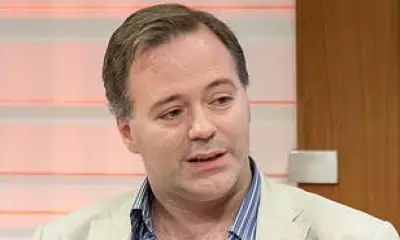
UCL student and author Dov Forman expressed alarm at the society's statements, calling them 'extraordinary' and questioning: 'A UCL student society publicly mourning Ayatollah Khamenei and urging Shia in the West to stay "aware and ready". On a UK campus. Universities cannot keep pretending this is just ‘student expression.’
The controversy highlights ongoing tensions regarding freedom of expression on university campuses and the appropriate boundaries for student political activities, particularly when addressing figures associated with regimes accused of severe human rights violations and international aggression.