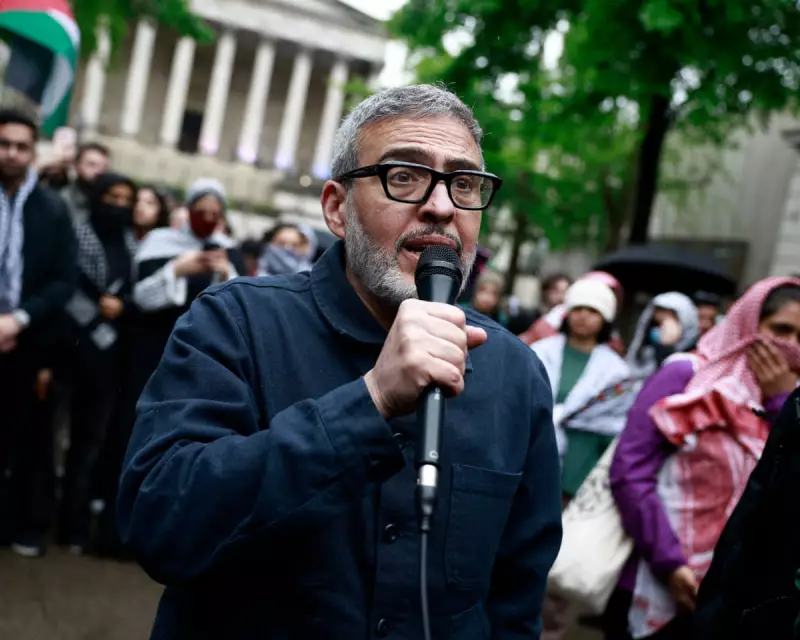
A prominent Palestinian doctor and activist who serves as rector of the University of Glasgow has been cleared of professional misconduct by a medical watchdog following allegations of antisemitism and support for a proscribed terrorist organisation.
Medical Tribunal Dismisses GMC Case
Dr Ghassan Abu-Sitta, a plastic surgeon and the elected student rector at the University of Glasgow, appeared before a Medical Practitioners Tribunal Service (MPTS) fitness to practise panel in Manchester via video link on Friday. The three-day hearing, brought by the General Medical Council (GMC), concluded with the three-person panel dismissing the case against him.
The allegations stemmed from a newspaper article Dr Abu-Sitta wrote for a Lebanese publication and two social media posts on the platform X, formerly known as Twitter. The GMC had argued the content crossed a boundary from legitimate political speech into misconduct.

Context of the Social Media Posts
The tribunal examined an article in which Dr Abu-Sitta wrote about the "martyrdom" of Ahmad Nasr Jarrar, believed to be a member of Hamas, stating: "The people have no weapon left but revolutionary violence." Panel chair Ian Comfort stated the tribunal considered the article in its entirety, which expressed criticism of Palestinian political elites, and could not identify anything antisemitic or supportive of terrorism.
One reposted tweet congratulated "brothers in Hamas and our comrades in the Popular Front" on their anniversary. Hamas's political wing was proscribed under the Terrorism Act in 2021. The tribunal noted it lacked evidence of when the tweet was posted, other than it was before 2023, and found an "ordinary reader" would view it as an anniversary celebration, not as material aid to terrorism.
A second tweet referenced "Martyrs in the Popular Front for the Liberation of Palestine," naming individuals involved in historical operations from the 1970s. Dr Abu-Sitta argued this demonstrated solidarity with the Palestinian cause within its historical context. The panel agreed, stating that from the perspective of an ordinary, reasonable Arabic reader, the post did not incite or support violence.
Reaction and Aftermath of the Ruling
Following the ruling, Dr Abu-Sitta, who is Kuwaiti-born and lives in London, said he had been racially profiled as "inherently violent" because he is Palestinian and Arab. He accused the group UK Lawyers for Israel, which brought the matter to the GMC's attention, of "trying to destroy my life."
A spokesperson for UK Lawyers for Israel responded, saying it was "shocking that the tribunal has found it acceptable for doctors to commemorate acts of violence and pay tribute to terrorists," adding that Jewish patients might be "terrified" of being treated by him.
Ros Emsley-Smith, representing the GMC, maintained that Dr Abu-Sitta had "overstepped the boundary of legitimate political speech." The University of Glasgow clarified that the rector is elected by students and that Dr Abu-Sitta is not a university staff member and does not speak for the institution.