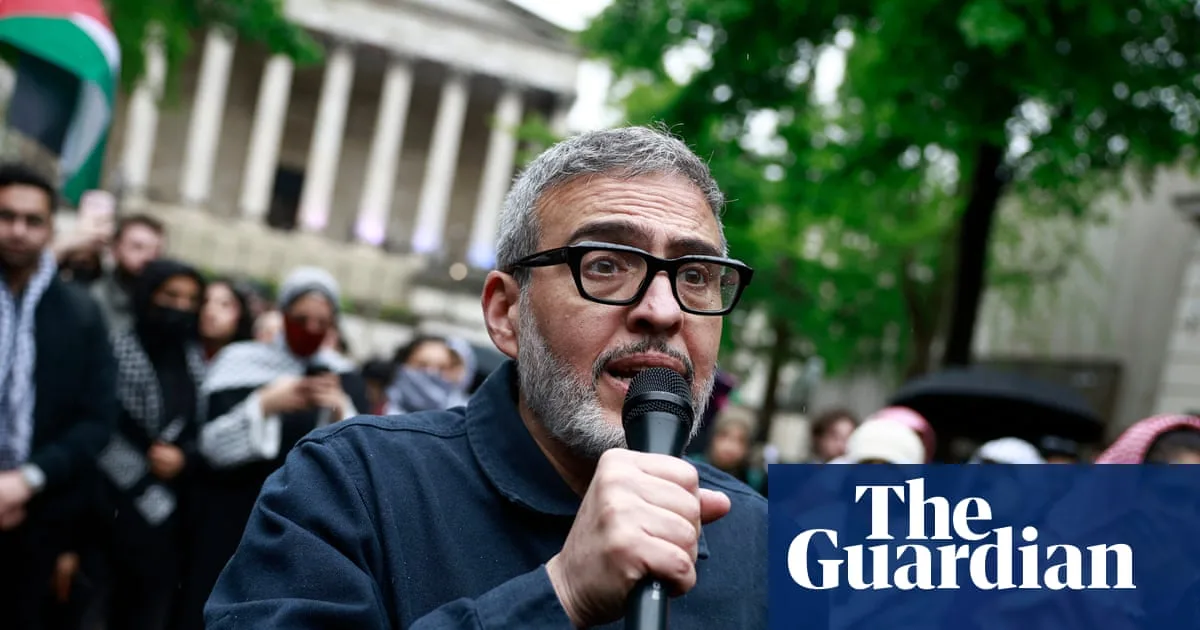
Dr Ghassan Abu-Sittah, rector of the University of Glasgow and a prominent Palestinian activist, has been cleared of misconduct by a medical tribunal over allegations of antisemitism and support for Hamas. The case, brought by the General Medical Council (GMC), was dismissed after a three-day hearing before the Medical Practitioners Tribunal Service in Manchester.
The tribunal considered a newspaper article written by Abu-Sittah for a Lebanese publication and two posts on X. In the article, he referred to the 'martyrdom' of Ahmad Nasr Jarrar, believed to be a Hamas member, and wrote: 'The people have no weapon left but revolutionary violence.' The panel chair, Ian Comfort, said the article was considered in its entirety and expressed views critical of political elites in Palestine, with no evidence of antisemitism or support for terrorism.
One of the tweets reposted by Abu-Sittah congratulated 'our brothers in Hamas and our comrades in the Popular Front on the anniversary of their inception.' The tribunal noted that Hamas's political wing was proscribed under the Terrorism Act in 2021, but found no evidence of when the tweet was posted other than before 2023. It concluded that an 'ordinary reader' would see it as a celebration of an anniversary, not material or moral aid to terrorism.
A second tweet referred to 'martyrs in the Popular Front for the Liberation of Palestine,' including a man who carried out the first suicide belt operation in 1974. Abu-Sittah argued that those familiar with the political context of the 1970s would see it as solidarity with the Palestinian cause. The tribunal agreed, stating that an ordinary, reasonable Arabic reader would not view it as inciting violence.
After the hearing, Abu-Sittah said he was 'deeply shocked' to be accused of advocating violence, noting he has spent his career treating war victims. He accused UK Lawyers for Israel, which brought the complaint to the GMC, of trying to 'destroy my life' as part of a 'lawfare strategy' to silence pro-Palestinian voices. A spokesperson for UK Lawyers for Israel expressed shock at the tribunal's decision, claiming it was unacceptable for doctors to commemorate acts of violence.