Columbia University Condemns DHS Student Arrest After Agents Misrepresent Entry
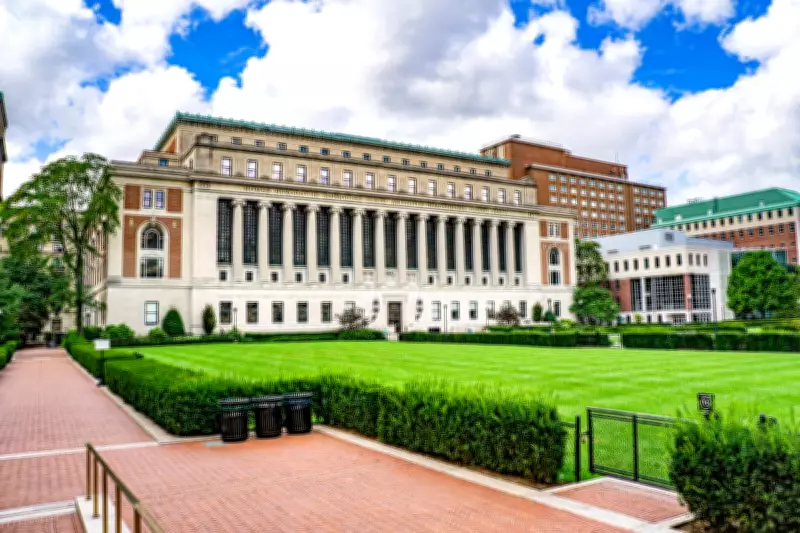
Columbia University in New York City has reported that federal immigration officers detained one of its students on Thursday morning after agents allegedly misrepresented themselves to gain entry to a university residential building. The incident has ignited fresh concerns about immigration enforcement tactics on academic campuses.
University Response and Statement
Acting university president Claire Shipman issued a statement to the Columbia community confirming the arrest and expressing deep concern. "Our understanding at this time is that the federal agents made misrepresentations to gain entry to the building to search for a 'missing person,'" Shipman wrote. She emphasized that the university is gathering more information and providing legal support to the affected student.
Shipman did not disclose the student's identity or immigration status but clarified Columbia's policy regarding law enforcement access. "It is important to reiterate that all law enforcement agents must have a judicial warrant or judicial subpoena to access non-public areas of the University. An administrative warrant is not sufficient," she stated firmly.

Student Identification and Social Media Appeal
Although not officially named by the university, the detained student is understood to be undergraduate Ellie Aghayeva. Shortly after the arrest, Aghayeva posted an Instagram story showing what appeared to be her legs in a vehicle with the urgent message: "Dhs illegally arrested me. Please help." This social media appeal quickly circulated among students and activists, amplifying campus alarm.
Historical Context and Previous Incidents
This arrest occurs nearly one year after significant campus upheaval when Immigration and Customs Enforcement (ICE) detained two Columbia students, Mahmoud Khalil and Mohsen Mahdawi. Both Palestinian students held valid immigration status but were targeted in what appeared to be a crackdown on dissent against Israel's military operations in Gaza.
During the Trump administration, these students and other foreign scholars were detained despite facing no criminal charges, with authorities alleging their Palestinian rights advocacy threatened national security. In a landmark ruling last September, a federal judge in Boston declared their detention unconstitutional and designed to suppress free speech.
Campus Reaction and Political Condemnation
The Thursday morning incident sent shockwaves through Columbia's campus, prompting immediate plans for an emergency vigil at noon. Student organizations mobilized while faculty expressed outrage at what they perceive as escalating intimidation tactics.
New York City Council Speaker Julie Menin and Council Majority Leader Shaun Abreu issued a joint statement condemning the detention. "ICE has no place in our schools and universities," they asserted. "These activities do not make our city or country safer, but rather drive mistrust and danger."
DHS Response and Broader Implications
The Department of Homeland Security, which oversees ICE and border patrol agencies, did not immediately respond to requests for comment regarding the Columbia incident. This silence has fueled further speculation about the justification and legality of the operation.
The arrest raises significant questions about:
- The appropriate boundaries for immigration enforcement on university campuses
- The use of alleged deception by federal agents to access private facilities
- The ongoing tension between national security concerns and academic freedom
- The treatment of international students and scholars in politically charged environments
Columbia University administrators have pledged to conduct a thorough investigation while maintaining their commitment to protecting all students' rights and safety. The incident has reignited debates about immigration policy, law enforcement transparency, and the delicate balance between security measures and civil liberties within educational institutions.