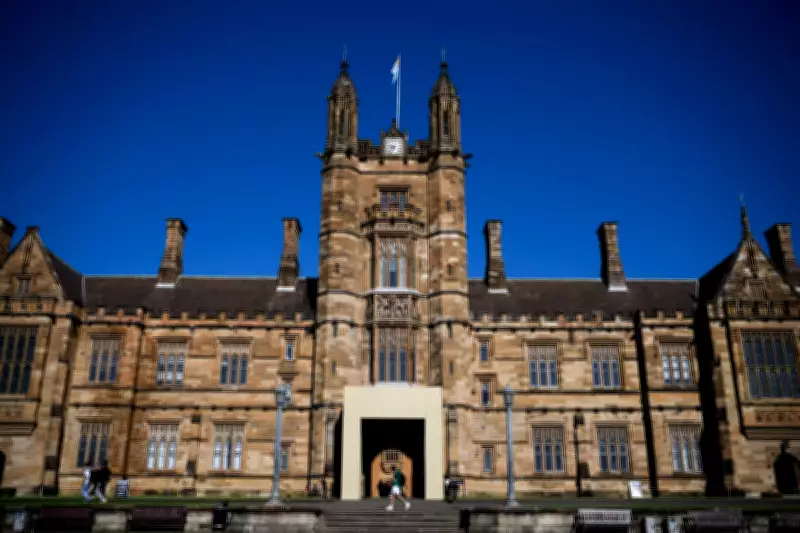
Australian University Study Exposes Pervasive Racism on Campuses
A groundbreaking report from an Australian university has uncovered widespread racism across campuses, revealing that students from diverse backgrounds frequently experience discrimination in academic and social settings. The study, released in February 2026, provides a stark assessment of the challenges faced by minority groups in higher education institutions.
Key Findings of the Report
The research, conducted through surveys and interviews with thousands of students, indicates that racism manifests in various forms, including microaggressions, exclusion from activities, and overt prejudice. Students of colour, Indigenous Australians, and international students were particularly affected, reporting higher rates of incidents compared to their peers.
Many participants described feeling isolated or undervalued in classroom discussions and group projects, which negatively impacted their academic performance and mental well-being. The report also notes that incidents often go unreported due to fears of retaliation or a lack of trust in institutional processes.

Implications for Higher Education Policy
The findings have sparked calls for urgent reforms in university policies and practices. Experts argue that current anti-discrimination measures are insufficient and that institutions must adopt more proactive strategies to foster inclusive environments.
- Implement mandatory cultural competency training for staff and students.
- Establish clear reporting mechanisms with guaranteed confidentiality and support.
- Increase representation of diverse groups in leadership and curriculum development.
Additionally, the study suggests that racism on campus is not an isolated issue but reflects broader societal trends, requiring collaborative efforts between universities, government bodies, and community organisations.
Student Responses and Advocacy Efforts
In response to the report, student groups have mobilised to demand accountability and change. Protests and petitions have emerged on multiple campuses, emphasising the need for tangible actions rather than symbolic gestures.
One student leader stated, "This report confirms what many of us have known for years—racism is a daily reality here. We need real solutions, not just empty promises." Advocacy efforts are focusing on securing funding for support services and ensuring that diversity initiatives are embedded in institutional frameworks.
The report concludes that while progress has been made in some areas, significant work remains to eliminate racism from Australian universities. It recommends ongoing monitoring and evaluation to track improvements and hold institutions accountable for their commitments to equity and inclusion.