Democratic Congressman Jamie Raskin has demanded a comprehensive accounting from Harvard University and Bard College regarding their ties to convicted sex trafficker Jeffrey Epstein. In letters to both institutions, Raskin alleges that previous internal investigations failed to fully uncover the extent of Epstein's influence and donations.
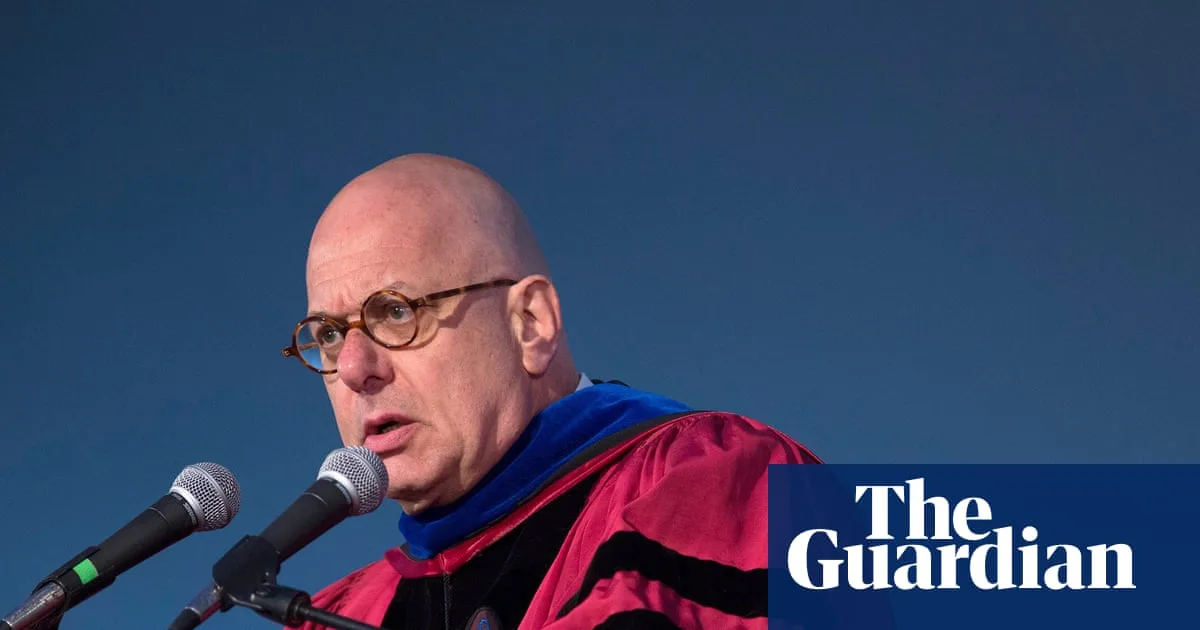
Raskin has requested that Bard make its outgoing president, Leon Botstein, available for a transcribed interview. He also seeks records of Epstein's donations, communications, admissions, and institutional decision-making, as well as the full results of an internal review. Bard's board voted to end Botstein's 51-year tenure after an independent review found 'substantial lapses in leadership and candor' regarding his relationship with Epstein.
From Harvard, Raskin is seeking all records related to Epstein's funding of research and his personal relationships with faculty, including former president Larry Summers. He noted that Harvard's investigations in 2008 and 2019 were 'at best incomplete and at worst misleading,' failing to uncover donations made after a 2008 ban on such gifts.
Summers, who served as Harvard president from 2001 to 2006, has publicly expressed shame over his continued communication with Epstein. Epstein donated over $9 million to Harvard during Summers' tenure. Raskin's letters also reference Epstein's ties to Columbia University and New York University, emphasising the need to understand how he exploited higher education to facilitate his crimes.