Phillipson Guarantees EHCP Continuity for Complex Needs in Major Send Overhaul
Phillipson Vows EHCPs Stay for Complex Needs in Send Reforms

Phillipson Guarantees EHCP Continuity for Complex Needs in Major Send Overhaul

Education Secretary Bridget Phillipson has vowed that children with the most complex special educational needs and disabilities (Send) will retain their education, health and care plans (EHCPs) under sweeping reforms to the support system. The announcement comes amid concerns that some young people might lose access to vital assistance under the new framework.

Prime Minister Criticises Current System

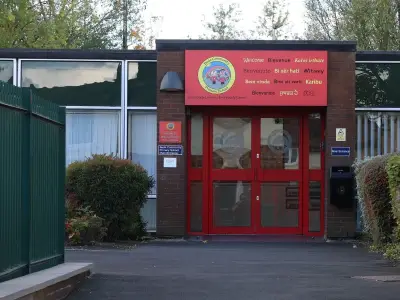
Prime Minister Sir Keir Starmer has declared that the current Send system "does not work," emphasising his government's commitment to delivering "a better education for every child" through these reforms. Speaking at a school in Peterborough while unveiling the Schools White Paper, Ms Phillipson addressed parental anxieties directly.

"Forget the misinformation you might have heard," she stated. "EHCPs for children with the most complex needs will stay, guided by nationally-defined and evidence-based specialist provision packages."

Reforms Aim to Eliminate Parental Battles for Support

Phillipson pledged that the government will "take away that fight that so many parents" have endured to secure legally-guaranteed support for their children. The reforms, part of a £4 billion investment in England's Send system, are designed to foster greater inclusivity and provide earlier intervention.

The Department for Education (DfE) has outlined that budgets will increase by £3.5 billion in 2028/29 above previously planned funding. Luke Sibieta, a research fellow at the Institute for Fiscal Studies, noted this additional funding will significantly help close a £6 billion budget shortfall forecast by the Office for Budget Responsibility for that year.

Transition to New Individual Support Plans

Under the proposed changes, a new legally-backed framework called individual support plans (ISPs) will be introduced for all children with Send. These plans will feature multiple tiers of support—targeted and targeted plus—and will not require a formal diagnosis for access.

"This is dependent on individual need, not an arbitrary definition," Phillipson explained to reporters, highlighting that some autistic children may thrive in mainstream settings with appropriate support, while others will require specialist provision.

Children with the most complex needs will continue to have EHCPs, which will underpin new specialist provision packages. The policy documents assure that all children moving from an EHCP to an ISP will "retain the right to request a mainstream placement, and no child will move from a special school or college unless they choose to do so."

Timeline and Implementation Details

Assessments for the new system will commence in September 2029, following a 12-week consultation period, with no alterations to current support before at least September 2030. When the legislation takes effect, children with existing EHCPs will be reassessed at the end of their education phase to determine if they require a specialist provision package, potentially leading to a new EHCP.

Regardless of EHCP status, schools will have a statutory duty to develop an ISP for each child. The DfE estimates that the proportion of children with Send receiving an EHCP will begin to decline annually from 2030, projecting a drop to around 4.7% by 2034/35 from the current 5.8% in 2025/26.

Rising EHCP Numbers and Fiscal Pressures

The number of EHCPs issued has surged dramatically, reaching 638,745 for individuals up to age 25 as of January 2025, up from 353,995 in 2019. This increase has resulted in escalating costs for local authorities and substantial deficits. Government projections indicate that approximately one in eight children with Send who currently hold an EHCP will transition to the new plans between 2030 and 2035.

Stakeholder Reactions and Safeguards

Children's commissioner Dame Rachel de Souza has broadly endorsed the plans but cautioned that "no child should fear losing their support," committing to collaborate with the government and families to ensure this outcome. Education Committee chairwoman Helen Hayes has called for "cast-iron guarantees that children's rights will be strengthened through these reforms, not eroded."

Anna Bird, chairwoman of the Disabled Children's Partnership, expressed deep concern over plans to limit EHCP access to those with "most complex needs," citing ambiguity in defining which children qualify. The Institute for Public Policy Research (IPPR) supports the reforms, stating they will "ensure more children get help sooner – and that EHCPs are reserved for those with the most complex needs."

Oversight and Dispute Resolution

Schools watchdog Ofsted will monitor ISP implementation, with inadequate compliance potentially leading to new school management. While the DfE aims for Send tribunals to be a "last resort," parents will retain the right to appeal to a tribunal regarding EHCP decisions. Challenges to ISPs will be handled through standard school and local council complaints procedures.

Broader Educational Goals

Beyond Send reforms, the government has set a target to halve the disadvantage gap by the time children born under this administration complete secondary school. Concurrently, the DfE aims for pupils from disadvantaged backgrounds to achieve approximately a full grade higher in each GCSE subject than they do currently.

Teacher Recruitment Critical to Success

When questioned about ensuring sufficient teaching staff to deliver the reforms, Phillipson affirmed that recruiting and retaining excellent teachers and support staff is "absolutely critical" for creating a more inclusive system. She acknowledged progress toward the goal of an additional 6,500 teachers but conceded "there is more to do."

Phillipson concluded by asserting that the reforms will transform the experience of children with Send, moving them "from sidelined and excluded to seen, heard and included."