Canada's Residential School Survivors Fight to Preserve Testimonies from Destruction
Residential School Survivors Battle to Save Testimonies from Destruction

Canada's Residential School Survivors Face Critical Deadline to Save Testimonies

In a poignant development, survivors of Canada's residential school system are embroiled in a fresh and urgent battle to prevent the destruction of their harrowing testimonies. First Nation communities across the nation are raising alarms, insisting that the federal government must take immediate action as thousands of first-hand accounts detailing systemic abuse and suffering face imminent erasure. This looming threat risks obliterating a central component of Canada's ongoing reckoning with its colonial legacy, a process that has been described as confronting a policy of "cultural genocide".

A Legacy of Pain and a Court-Ordered Deadline

The crisis stems from a 2017 Supreme Court of Canada ruling that mandated the expungement of all documents from the Independent Assessment Process (IAP) hearings after a period of ten years. The court argued that claimants had a reasonable expectation of confidentiality when they agreed to testify about their experiences. This decision has set a firm deadline of 19 September 2027, by which survivors or their direct families must formally request the preservation of their individual files. Crucially, if a survivor has passed away, their documents are automatically slated for destruction, severing a vital link to personal and historical truth.

These testimonies originate from the largest class-action lawsuit in Canadian history, a landmark legal action that saw approximately 38,000 former students come forward between 2008 and 2014. They provided detailed, often traumatic, accounts of the sexual, physical, and psychological abuse they endured within the residential school system. For many families, these hearings were the first time the full extent of the suffering was revealed.

Wide Pickt banner — collaborative shopping lists app for Telegram, phone mockup with grocery list

Personal Stories at Risk of Being Lost Forever

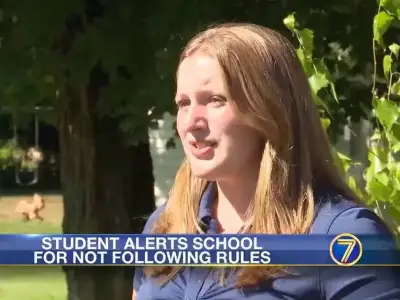
The human cost of this bureaucratic deadline is starkly illustrated by the story of Ivy Dreaver and her daughter, Cheryle. Ivy, a Cree woman now aged 68, attended the Prince Albert residential school in Saskatchewan during the 1960s. Her testimony, given in a Winnipeg courtroom in 2008, was a shocking revelation to her own family.

"At that time … I didn’t know those things had happened to her until that very day," said Cheryle Dreaver. "I was in shock … there was a lot of abuse." Ivy's account described being viciously beaten for speaking her native language, being publicly humiliated, and suffering sexual abuse by a priest at the age of eight. Cheryle only learned last year that her mother's evidence was scheduled for destruction and has since rushed to secure its preservation.

Systemic Failure and International Law Concerns

Critics argue that the federal government has failed in its duty to adequately inform survivors about the impending deadline. Heather George, Executive Director of the Woodland Cultural Centre, stated, "The responsibility of reaching out to these survivors … is something the federal government should be taking on. It’s a consistent pattern that we’ve seen with the federal government in terms of stepping back from their obligations."

Furthermore, legal experts like Kimberly Murray, former executive director of the Truth and Reconciliation Commission and now a law professor, contend that destroying potential evidence of genocide contravenes international law. Murray emphasized that the IAP was fundamentally a compensation scheme, not an investigative body. "When survivors testified, they were not asked what they would like to do with their records, nor was the government planning to use their evidence to further investigate crimes," she explained. "There were ways for us to protect those records and the confidentiality of those records without destroying them."

Pickt after-article banner — collaborative shopping lists app with family illustration

The Scale of Abuse and the Fight for an Archive

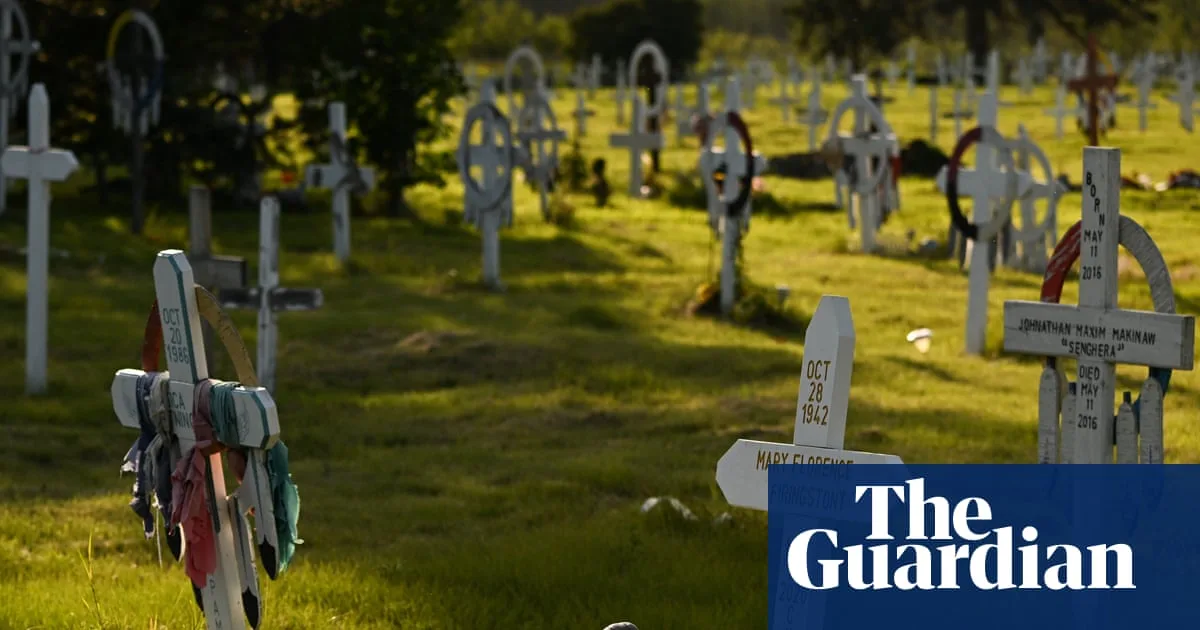
The residential school system, which operated from the late 19th century into the 1990s, forcibly removed over 150,000 Indigenous children from their families. These institutions, run primarily by Christian churches with state funding, aimed to assimilate children by eradicating their languages and cultures. Survivors' accounts and official commissions have documented routine physical mistreatment, starvation, neglect, and rampant sexual abuse.

Journalist Connie Walker, from Okanese First Nation, highlights how the destruction of records impedes justice and understanding. In her investigation into a single school, St Michael's in Saskatchewan, she uncovered more than 220 allegations of sexual abuse against dozens of clergy and staff over 65 years. "It was shocking – the scale of abuse at a single school that was not notorious," she said. Walker is now spearheading efforts to create a new national archive to compile and safeguard as much testimony as possible before the deadline.

A Race Against Time and Government Response

With roughly 18 months remaining until the 2027 cutoff, the federal government has stated that "materials are being prepared to help raise awareness of the upcoming deadline." However, a spokesperson for the Ministry of Crown-Indigenous Relations and Northern Affairs reiterated that the government cannot ignore the "final orders" of the Supreme Court.

For survivors like Ivy Dreaver and their descendants, these documents are not merely files; they are testaments to resilience, evidence of historical crimes, and crucial tools for healing and education. "It’s really important to have [the files] … There’s people that want to know. I want to be able to go back and tell my children and my grandchildren about my mom," Cheryle Dreaver affirmed, underscoring the profound personal and generational significance now hanging in the balance.