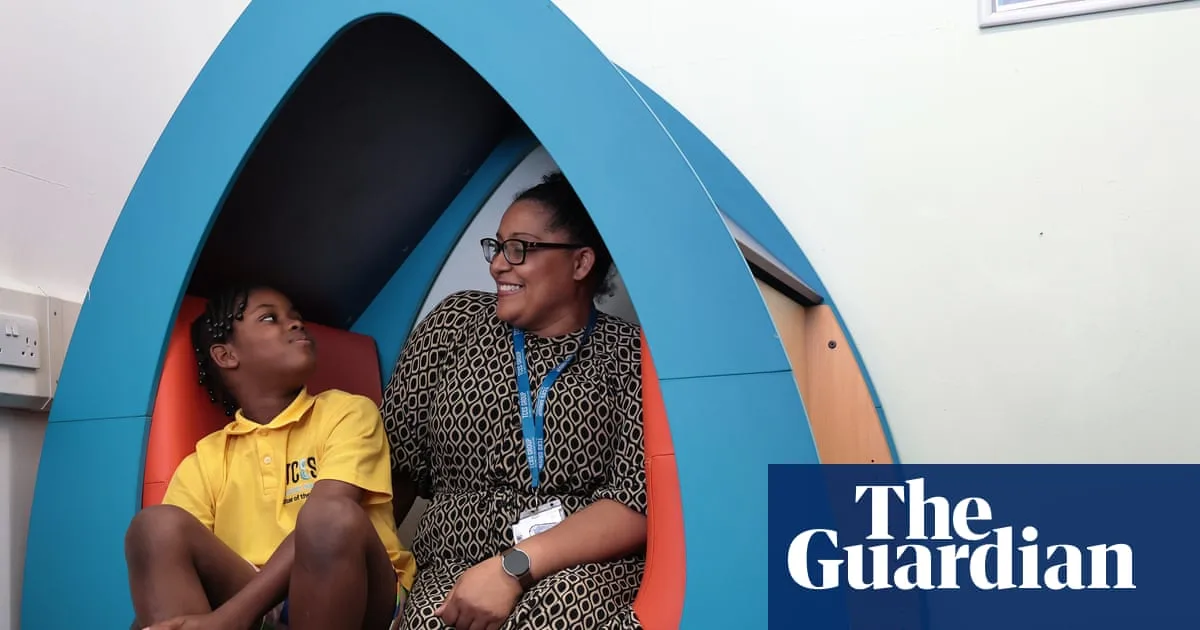
A London primary school that has not excluded a single pupil in 25 years is being held up as a model for how to keep children with special educational needs and disabilities (Send) in education. TCES Nurture primary in Newham, east London, operates an alternative provision that embeds therapy into daily teaching and follows three core principles: never exclude, ensure every child has a trusted adult, and work with families as partners.
Thomas Keaney, founder and chief executive of TCES Group, which runs five London schools, said the school takes children that “society has given up on”. Many have been out of school for up to two years and have an average of three permanent exclusions. Keaney described exclusion as a social justice issue, noting that disabled pupils, Black and minority ethnic children, Gypsy and Traveller children and those living in poverty are disproportionately affected.
Headteacher Ricardo Hylton said the key difference is how support is delivered. Rather than taking pupils out for one-to-one therapy sessions, therapeutic principles are built into lessons through daily intervention guidelines. He added that simply placing another adult alongside a pupil makes little difference if teachers do not understand how a child processes language, sensory input or classroom environments.
Pupils at the school described the contrast with their previous schools. One said staff “help with speech and special needs”, while another added: “They don’t just kick them out.” The school uses reward systems such as a “dojo shop” where points earned for effort and good behaviour can be saved or spent. Keaney said giving responsibility and status to children who have often been punished elsewhere can be a powerful way to re-engage them.
Parents also reported a dramatic reduction in stress. One mother said: “The absence of constant calls from this school is huge. At our previous school I would see the number and panic. Here, I rarely get calls. We are not living on edge.” Another said: “All areas of my son are understood in this school. And if they’re not, they work with me.”
Keaney welcomed Labour’s emphasis on inclusion but warned that the government’s £200m Send teacher training programme will fall short without deeper reform. He argued that training alone risks producing a “symbolic” version of inclusion that leaves children’s needs unmet. Instead, he advocated a cultural shift away from exclusion, with a “pause” before removal, low-cost interventions, and firm boundaries combined with therapeutic understanding.