Labour Unveils Major SEND Reforms Amid Forecast of Reduced Specialist Provision
The Labour government has detailed sweeping proposals to reform the special educational needs and disabilities (SEND) system, as part of a broader schools policy package announced today. These changes, set to be implemented from 2029, are projected to significantly alter how children access support, with forecasts indicating a substantial reduction in the number awarded specialist provision.
Rising Costs and Growing Demand Prompt Overhaul
Currently, children requiring additional support in educational settings rely on the SEND system, where parents apply for an Education, Health and Care Plan (EHCP). However, spending on SEND support has surged in recent years, driven by a 166 per cent increase in EHCPs between January 2015 and January 2025. This escalating demand has placed immense financial pressure on local councils, many of which have voiced concerns over the unmanageable costs. In response, the government has previously committed to writing off 90 per cent of accumulated SEND deficits.
The Department for Education (DfE) has now published its Schools White Paper, outlining plans to overhaul the SEND system. Prime Minister Keir Starmer emphasised the need for change, stating, "I've heard first hand the struggles and exhaustion faced by too many parents who feel they have to fight the system to get their child the support they need. But getting the right support should never be a battle – it should be a given." He added that the reforms aim to replace the current "one size fits all" approach with tailored support for individual needs.
Key Proposals and Implementation Timeline
The proposed reforms, now open for consultation, include several critical measures:
- Introduction of Individual Support Plans (ISPs) with legal footing for all children with SEND, featuring multiple tiers of support (targeted and targeted plus), accessible without a formal diagnosis.
- Revision of EHCPs when pupils transition from primary to secondary school (year 7), though this will not affect children currently in year 3 or above, who will retain their EHCPs until at least age 16.
- Establishment of a universal offer setting a new baseline for mainstream schools to meet all children's needs.
- Retention of EHCPs for children with the most complex needs, underpinning new specialist provision packages.
- Implementation of a fast-track route alongside the NHS for specialist provision and EHCPs for children under five with the most complex needs.
Assessments for the new system will commence in September 2029, with no changes to current support before at least September 2030. When the legislation takes effect, children with existing EHCPs will be reassessed at the end of their education phase to determine if they require a specialist provision package, potentially leading to a new EHCP. Regardless, schools will have a statutory duty to develop an ISP for each child.
Forecasted Impact and Expert Warnings
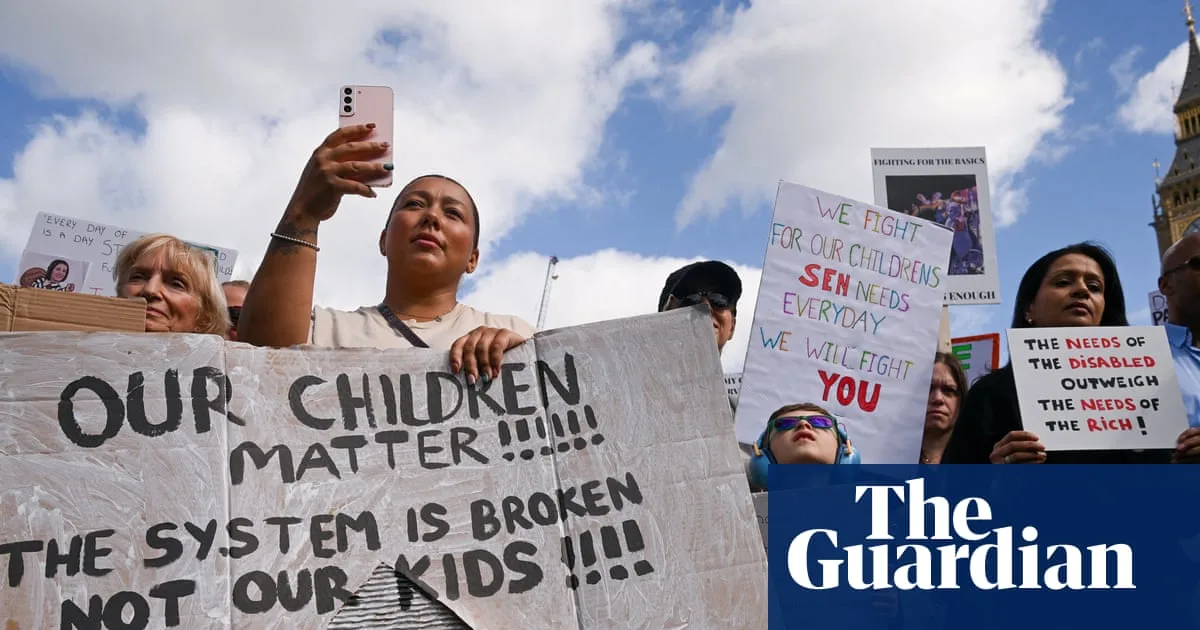
Despite a £4 billion funding commitment to the new programme, experts have raised alarms about the projected outcomes. Forecasts suggest that by 2035, 270,000 fewer young people will be awarded EHCPs, representing a drop of one-third compared to current projections. This reduction could mean that some children may miss out on the specialist provision they need, sparking concerns among parents and campaigners who have long criticised the system as insufficient despite its high cost.
Education Secretary Bridget Phillipson and Prime Minister Starmer have endorsed the reforms, aiming to streamline support and reduce bureaucratic hurdles. However, critics like Geordie Greig have questioned the motivations, suggesting the changes are "really about money," given the financial pressures on the system.
Monitoring and Dispute Resolution
The reforms will empower Ofsted to monitor how schools implement ISPs, with potential consequences including new school management if standards are not met. The DfE intends for SEND tribunals to become a "last resort," though parents will retain the right to appeal to a tribunal regarding EHCP decisions, such as a council's refusal to assess a child's needs or determine support thresholds. Challenges to ISPs will be handled through standard school and local council complaints procedures.
Importantly, the white paper assures that no child with a special school place at the start of the reforms in 2029 will lose it, providing some stability during the transition. The government's overarching goal is to create a more efficient and equitable SEND system, but the forecasted cut in specialist provision underscores the delicate balance between fiscal responsibility and ensuring adequate support for vulnerable children.