Andy Burnham, the clear frontrunner to become the next prime minister, has spent eight years testing policies in Greater Manchester that could now affect every parent in England. His views on education are particularly clear, tracing the near-million young people not in education, employment or training (NEETs) back to a school system he believes is 'built for some young people rather than all'.
First, Burnham has long pledged to scrap upfront tuition fees and replace them with a graduate tax. Instead of taking out a loan, graduates would pay a little extra on their income tax once they are earning. He argues this would free young people from the 'millstone of debt'. However, a graduate tax leaves universities with a short-term funding gap, and Burnham has previously suggested a commission to work out the details. He has also committed to Labour's promise not to raise income tax, VAT or national insurance on working people, raising questions about how a graduate tax would fit with that pledge.
Second, Burnham wants to extend financial support beyond university. He has proposed extending student finance to apprenticeships and building a 'UCAS-style' national application system for them, so that the technical route is funded and respected on the same terms as the academic one.
Third, Burnham's flagship policy is the MBacc, a technical pathway pupils can choose at 14, already running in Greater Manchester. It steers young people toward seven 'career gateways' tied to the local economy, leading to T-Levels and work placements. He wants this backed by guarantees, including a free bus pass for 16 to 18-year-olds and a 45-day work placement. He also plans to use public procurement to require work placements or apprenticeships for teenagers, turning government spending into a machine for creating opportunities.
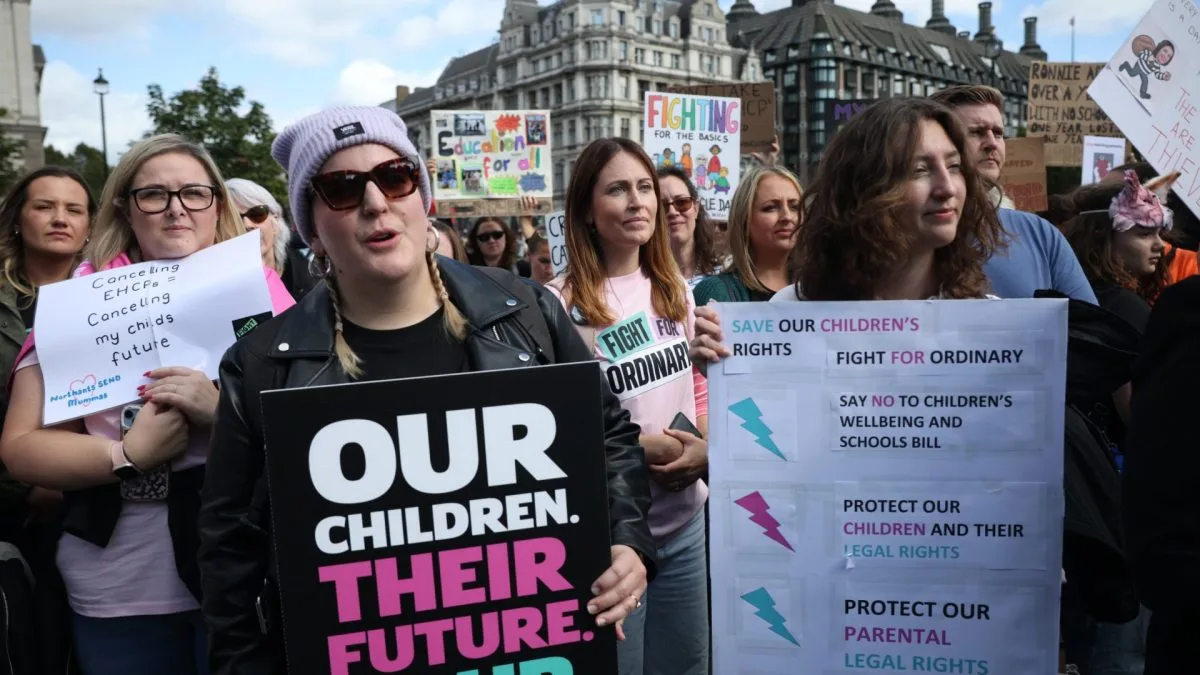
Fourth, Burnham has focused on special educational needs and disabilities (SEND), which he says is in deep crisis. He told The i Paper that children with additional needs too often 'find their needs are not met and they drift away from the labour market'. He has not yet detailed specific national reforms, but his record in Greater Manchester suggests he would prioritise early intervention and better integration of health and education services.