Families Fear Special Needs Reforms Could Worsen Crisis for Vulnerable Children
Parents across England are expressing profound anxiety as the government prepares to announce a comprehensive overhaul of the special educational needs and disabilities (Send) system. With over 1.7 million children classed as having special needs in the 2024-25 academic year, many families are concerned that reforms aimed at streamlining support could inadvertently strip away crucial safety nets, leaving their children more vulnerable than ever.
Struggling with a Broken System
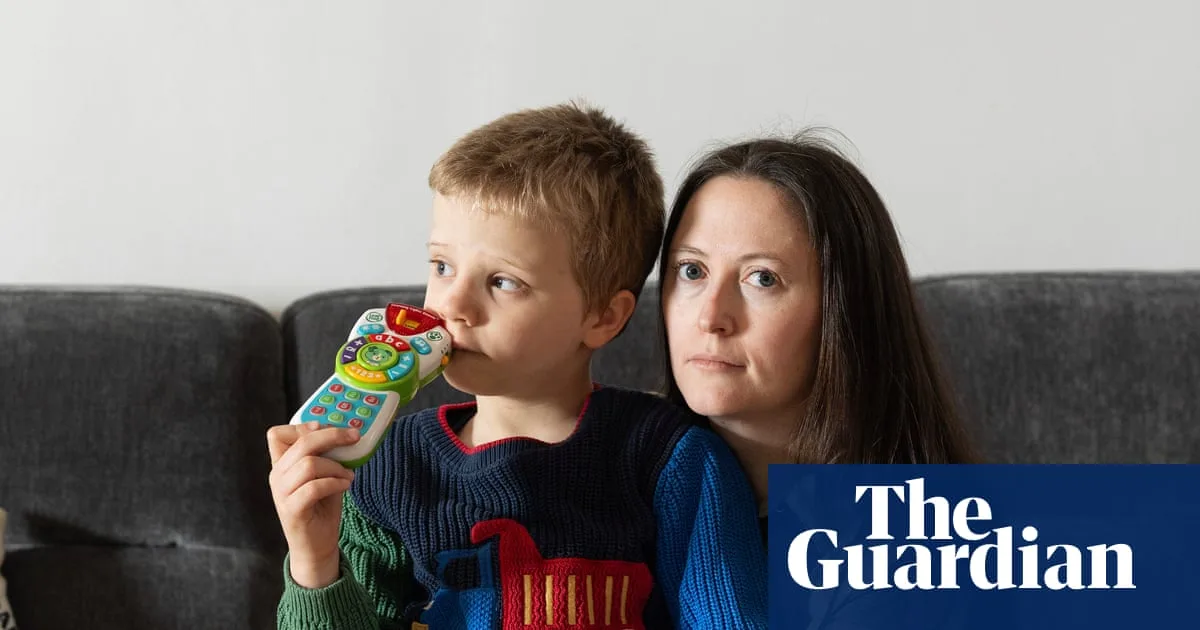
May Race, a mother living near Winchester, shares the harrowing story of her 12-year-old son Joseph, who is autistic, dyslexic, and has ADHD with pathological demand avoidance. Joseph spends almost all his time in his bedroom, too anxious and traumatised to join his family downstairs or leave the house. He has rarely attended school since age eight and is now too unwell to meet with professionals who might help him.
"The Send system has failed to help Joseph," says Race. "In fact, its lack of resources, flexibility, and understanding has made him more unwell. The journey we have been on for years has been absolutely awful, and I see this crisis among many other families." She describes years of traumatic mornings, physically carrying her distressed son into school, and a gruelling process to secure an autism diagnosis and an education, health and care plan (EHCP). Even after obtaining a place at a specialist independent school, Joseph's complex needs were unmet, and he now has no school placement at all.
Anxiety Over Imminent Changes
The government's white paper, due for release, promises to make it quicker and easier to access supportive school places, with education minister Georgia Gould assuring that children with existing specialist placements will not lose them. However, many parents fear that reducing the number of EHCPs—legally enforceable documents that guarantee specific support—could remove essential protections.
Becky, a mother from Nuneaton in Warwickshire, worries about her six-year-old son Kyllian, who is blind and has cerebral palsy, epilepsy, and learning difficulties. "There's an assumption that children like Kyllian will be fine because he has a special school place," she says. "But he's only entitled to that due to his EHCP. I'm beyond worried about funding cuts, especially for transport, which could jeopardise his education." Kyllian requires a car for his 6.5-mile commute due to seizure risks, and Becky fears budget squeezes could threaten this arrangement.
Mixed Experiences and Ongoing Challenges
Cheryl Garner, from the East Riding of Yorkshire, has a more positive experience with her five-year-old daughter Millie, who attends a specialist unit attached to a mainstream primary school—a model likely to be expanded under the reforms. Millie, who has non-verbal autism and global development delays, thrives in this environment. However, Garner remains "beyond worried" about systemic changes.
Millie previously spent 10 months out of education after an inappropriate nursery placement, and now travels 15 miles daily by taxi. When the local authority changed transport providers, lack of training led to another hiatus in schooling. Garner also struggles to secure diagnoses for conditions like dyspraxia, which affects Millie's mobility, forcing her to save for private assessments due to NHS limitations.
Local Authorities Under Pressure
Local councils face immense challenges, with rising demand and constrained resources. A spokesperson for Hampshire council noted a 243% increase in EHCP requests since 2015, coupled with growing complexity in children's needs. "We always endeavour to achieve the very best outcomes," they stated, but acknowledged the difficulty in finding suitable placements.
Victoria Aitken, East Riding of Yorkshire council's cabinet member for children, families, and education, highlighted funding disparities, with the council £18m below average. "We want to see bold and brave education reforms that deliver lasting change and fairer funding," she said, emphasising the need for systemic improvement.
Hope Amidst Despair
Despite the challenges, parents like May Race hold onto hope for their children's futures. She has appealed her local authority's decision on funding for an out-of-school education package, with a hearing set for March 2027. "I feel sad that our society can't support neurodivergent children better," she reflects. "Mostly, I'm heartbroken that Joseph has been made unwell by a broken system."
As reforms loom, families across England remain on edge, fearing that well-intentioned changes could deepen the crisis for some of the most vulnerable children in the education system.