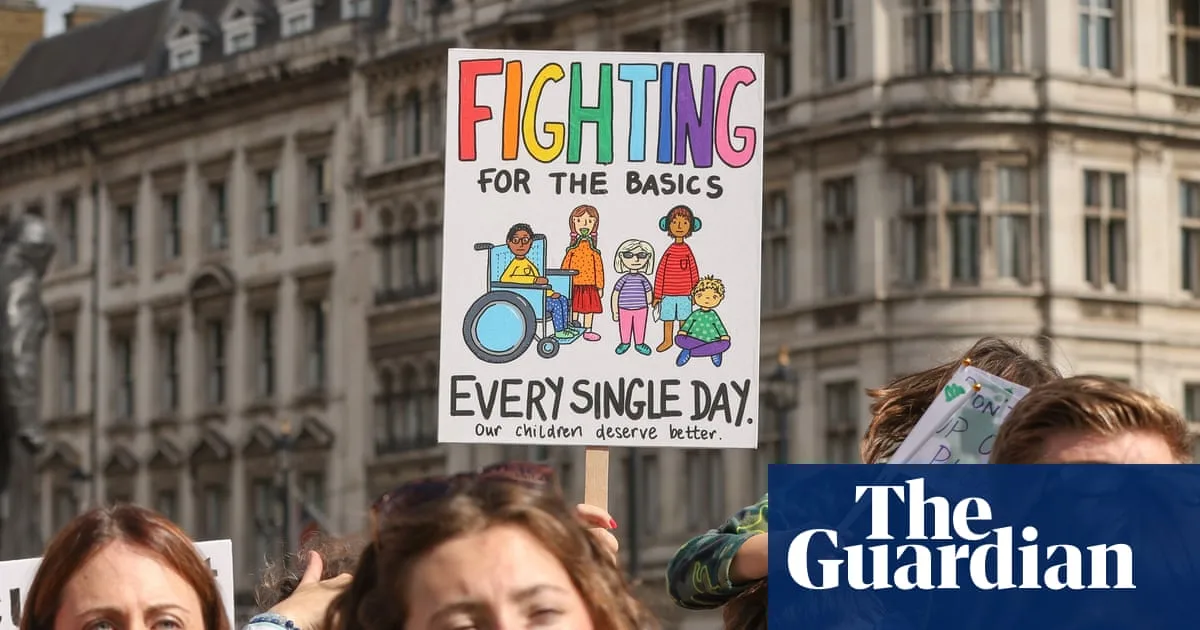
Supporters of the Disabled Children's Partnership gathered at a rally outside the Houses of Parliament in London last September, voicing their concerns about potential changes to special educational needs provision. This demonstration highlighted growing anxieties among families and advocacy groups as the government prepares to overhaul the Send system in England.
Charities Issue Stark Warning Over Legal Protections
The Disabled Children's Partnership, representing more than 130 charities and professional organisations, has written to Education Secretary Bridget Phillipson and MPs across the political spectrum. Their letter raises serious concerns that the forthcoming reforms might "come at the expense of children's legal protections" that families currently rely upon.
This coalition of disability organisations has established clear "red lines" that they insist must not be crossed during the reform process. These include any attempt to strip away legally enforceable education, health and care plans (EHCPs) for children who need them, or any abolition of the specialist Send tribunal that currently arbitrates disputes between parents and local authorities.
Parental Anxieties and System Safeguards
Katie Ghose, chief executive of the disability charity Kids, expressed the widespread concern among parents: "Parents will be worried about plans until they can see, in black and white, that legally guaranteed support will be there for every child who needs it. Parents are also worried about not having a big red button to press when their child isn't supported in the way they need."
The letter, backed by prominent organisations including Mencap, the National Autistic Society and the Council for Disabled Children, outlines several critical protections that must be maintained:
- Preservation of legally enforceable plans for children who require them
- Continuation of the Send tribunal system
- Protection against disruption to current support arrangements or educational placements
- Avoidance of any narrowing of the Send definition that might restrict eligibility
- Prevention of abrupt cuts in support when children reach eighteen
Government Proposals and Charitable Concerns
The government is scheduled to publish a white paper in February detailing radical changes to Send provision across England. While these plans are expected to include additional funding and specialist support designed to help mainstream schools accommodate a broader range of children and young people, charities remain apprehensive about potential trade-offs.
Jolanta Lasota, chief executive of Ambitious about Autism, emphasised the importance of inclusive policymaking: "The number one thing is that these reforms need to be developed in partnership with children and young people, with their parents and carers, with experts in this field. The anxiety wouldn't be there if those people were seen as partners rather than as stakeholders to be managed."
Lasota further warned about the consequences of removing existing safeguards without adequate preparation: "If we take away that safety net without developing long-term goals around changing culture and building capacity in mainstream schools, there is a really high risk that those children will be out of education entirely."
Departmental Response and Future Directions
A Department for Education spokesperson responded to these concerns, stating: "Every child with Send deserves to belong and thrive at school, and to get the right support at the right time. We are determined to fix what isn't working in the system while protecting and improving families' rights and children's outcomes."
The spokesperson outlined several government initiatives aimed at improving the current system:
- £200 million allocated to train all teachers on Send requirements
- At least £3 billion to create 50,000 new specialist educational places
- Dedicated Send leads in every Best Start family hub
Despite these proposed investments, the charitable coalition maintains that legal protections must remain non-negotiable. Their letter states unequivocally: "These protections are not optional. They are the foundation of trust, stability and accountability within the Send system."
As the February white paper publication approaches, parents, carers and disability advocates await concrete assurances that the rights of disabled children will be strengthened rather than diminished by the forthcoming reforms.