Government Departments Clash Over Planned PE Funding Cuts Amid Obesity Crisis
Whitehall Row Over School PE Funding Cuts

Whitehall Clash Over School Sports Budgets

A significant internal government conflict has emerged following proposals to drastically reduce funding for physical education in schools, directly contradicting ministerial commitments to address the growing childhood obesity crisis through enhanced sports provision.

Departments Propose Combined £120m Reduction

The Department of Health and Social Care, under Health Secretary Wes Streeting, had planned to eliminate its entire £60 million contribution to school PE funding from the 2026/27 financial year. Simultaneously, the Department for Education is understood to be preparing cuts of approximately £60 million from its own physical education budget.

These proposed reductions would have removed around one-fifth of total PE funding, with DHSC currently providing that proportion alongside the DfE's larger contribution and a minor input from the Department for Culture, Media and Sport.

Ministers Intervene After Guardian Inquiry

Following contact from the Guardian, the Department of Health and Social Care reversed its position and now intends to restore the threatened funding. Ministers are understood to have overruled the proposed cuts after the newspaper's inquiries revealed the planned reductions.

Chief Secretary to the Prime Minister Darren Jones is expected to mediate between the conflicting departments in coming days as the dispute continues.

Reforms Threatened by Funding Uncertainty

The proposed cuts emerged despite upcoming curriculum reforms designed to guarantee at least two hours of physical education weekly through new partnerships between schools and sports organisations. Whitehall sources indicated the combined reductions from both departments would jeopardise these reforms and undermine Prime Minister Keir Starmer's public commitments to expanding sports access for schoolchildren.

Growing Concerns About Child Inactivity

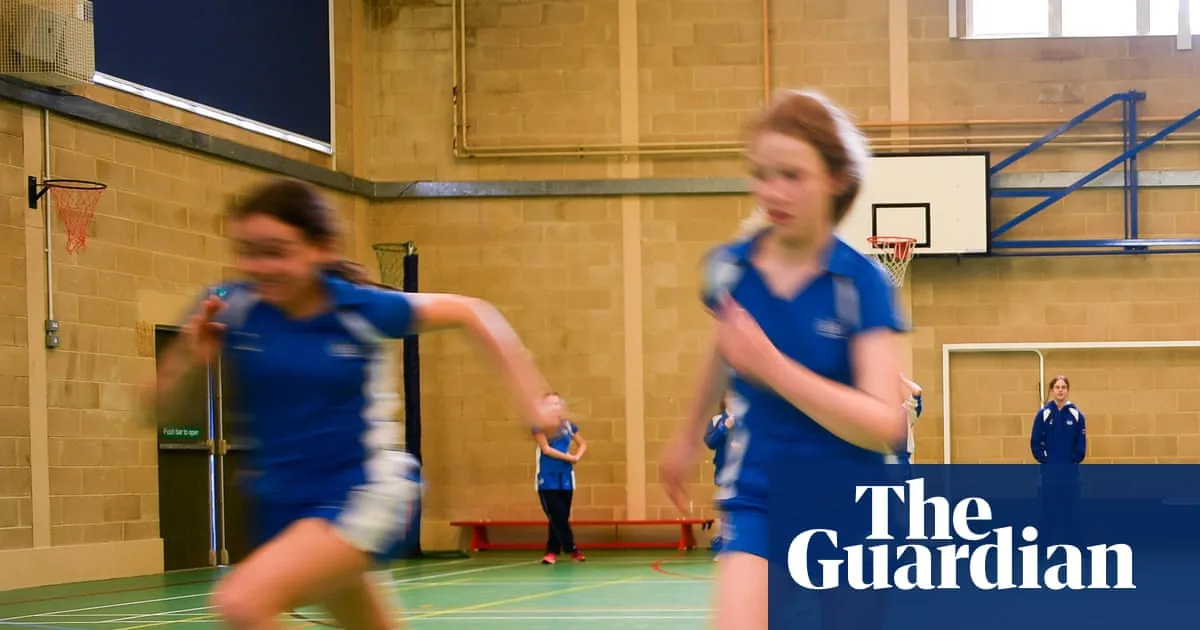
These budgetary discussions occur against a backdrop of increasing alarm about declining physical activity among young people. Recent government statistics reveal a substantial decrease in PE hours within secondary schools, with nearly 4,000 hours lost overall. The most dramatic reduction has affected 11-14 year olds, the age group experiencing the fastest growth in obesity rates.

Sporting bodies including Sport England have highlighted worsening inactivity problems, with fewer than half of children meeting the Chief Medical Officer's activity guidelines. The Youth Sport Trust reported last year that nearly 20% of students experienced cancelled PE lessons during the academic year, while 71% of surveyed young people expressed desire for greater physical activity opportunities at school.

Ministerial Promises Contrast with Proposed Cuts

The funding controversy creates particular tension given recent ministerial statements. In November, Health Secretary Wes Streeting declared his department's commitment to helping schools tackle childhood obesity, stating: "This government will not look away as kids get unhealthier. Obesity robs children of the best possible start in life, sets them up for a lifetime of health problems, and costs the NHS billions."

Prime Minister Keir Starmer emphasised the importance of sports access shortly before the Lionesses' UEFA Women's Euro 2025 campaign, promising "equal access to high quality PE and sport" and committing to requirements for schools to publish their sports offerings publicly.

New PE Framework Planned Despite Budget Pressures

Education Secretary Bridget Phillipson has proposed replacing the current sports premium with a PE and school sports partnership network beginning next academic year. This reform would mandate two weekly hours of physical activity while establishing collaborations between educational institutions and local sports clubs.

The new framework also requires schools to advertise their sports provisions to parents and aims to address regional disparities in sports availability across the country. The government hopes these structural changes will deliver efficiencies through partnership arrangements with sporting bodies.

This departmental dispute highlights the tension between fiscal constraints and public health priorities, with childhood obesity rates continuing to rise despite political promises to create healthier environments for young people through enhanced physical education opportunities.