The government's controversial policy of imposing VAT on private school fees has failed to deliver its promised funding for thousands of new state school teachers, according to the leader of the UK's most prestigious independent schools group.
‘No Wider Benefit’ from Tax Raid
Philip Britton, the current chair of the Heads' Conference (HMC), stated there has been ‘no wider benefit’ to state education despite Labour's election pledge that money raised would fund 6,500 new teachers. His comments come as the government has delayed publishing its recruitment plan for these teachers, which it had pledged to detail this month.
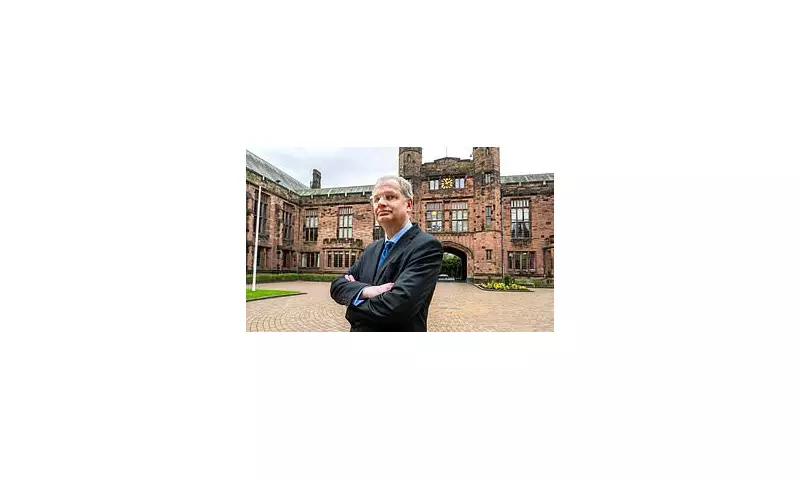
Mr Britton, who heads Bolton School and was awarded an MBE for services to Physics education, criticised the government for ‘shape shifting’ on where the revenue from the 20% tax is being directed. ‘The purpose of VAT in the election was unequivocally to employ 6500 more teachers for the state sector. This purpose has shape shifted,’ he said.

School Closures and Economic Impact
Since the policy was introduced in January, the fallout has been significant. Estimates from the Independent Schools Council suggest that 81 private schools have closed, with many citing VAT as a contributory factor. More closures are expected, and around 25,000 pupils have been forced out of the independent sector by rising costs.
Calling for a proper impact assessment, Mr Britton highlighted the local economic damage. ‘Millions have been removed from the local economy in my area alone through VAT payments. What real impact on state school funding locally has that added?’ he asked. The HMC, the world's oldest heads' association with over 400 members including Eton and Harrow, is deeply concerned about the policy's effects on young people and local infrastructure.
Broken Promises and ‘Shifting Sands’
Mr Britton also accused the government of not being truthful, challenging its narrative of removing ‘tax breaks’. ‘It is not alright to say things that are not true,’ he said, referencing a High Court judgment which clarified these are new taxes. ‘They are new taxes which were a manifesto commitment. Government should just own that.’
He dismissed official spokesperson statements as trite, calling for honest debate about the policy's detriment and current lack of benefit to wider education. ‘Too much is written that some figures are not recognised... but there is a truth there somewhere: a truth that some pupils have been uprooted, teachers and support staff left without work and the economies of local infrastructure weakened,’ he stated.
The political criticism was echoed by Shadow Education Secretary Laura Trott, who said it was ‘no surprise’ Labour had delayed its plan, noting there are now ‘400 fewer’ teachers since the party came to office. She accused Labour of a ‘litany of broken promises’, claiming money meant for teachers was instead going towards housing illegal migrants.
The crisis in teacher retention provides a stark backdrop. Latest figures show 41,200 left the teaching profession in 2023/24, representing around ten per cent of the workforce.
In response, a Government spokesperson said: ‘We are delivering on our promise to recruit 6,500 teachers with over 2,300 more secondary and special schoolteachers in classrooms this year, as well as 1,300 fewer teachers leaving the profession – one of the lowest leave rates since 2010.’