Parents Urged to Check School Bag Weight After Half-Term Break
Parents Told to Check School Bag Weight After Half-Term

Parents Urged to Check School Bag Weight After Half-Term Break

Parents are being advised to inspect their children's school bags this week as pupils return to classrooms following the half-term holiday. This precaution aims to prevent serious health problems linked to carrying excessively heavy loads.

The Critical 10 Per Cent Rule

Studies indicate that school bags weighing too much can lead to back pain and other musculoskeletal issues. Children's health experts strongly recommend that a backpack should not exceed 10 per cent of a child's body weight. Chiropractor Dean Blackstock highlighted that many children are carrying bags far beyond this limit.

Dean Blackstock explained: "Many parents are unaware of the recommended weight limit for children's school bags. Proper loading is essential for protecting spinal health, growth, and development. Experts advise that a backpack should weigh no more than 10% of a child's body weight, but numerous bags surpass this, placing undue strain on growing spines, muscles, and joints."

Consequences of Heavy Bags

Carrying overloaded bags can result in poor posture, discomfort, and long-term musculoskeletal problems. Children often compensate by leaning forward or sideways, which creates imbalances and increases the risk of fatigue or injury. Repeating these postures daily over terms and years can lead to persistent issues.

Dean Blackstock added: "Children frequently adjust their posture to manage heavy bags, leaning forward or sideways. This can cause imbalances and raise the likelihood of fatigue or injury. When these postures are repeated day after day, term after term, and year after year, it's clear how injuries and discomfort develop."

Specific Weight Guidelines

Alongside checking school uniforms, the start of term presents an ideal opportunity to review safe maximum bag weights. For instance, when starting primary school at age four, girls should carry no more than 1.6kg, while boys can handle around 1.7kg. By the time they finish secondary school at sixteen, girls' bags should not exceed 5.6kg, and boys' bags should be limited to 6kg.

Since children grow at different rates and average weights vary between girls and boys, it is best to calculate an accurate maximum weight using simple mathematics.

How to Calculate Maximum Bag Weight

  1. Weigh your child.
  2. Multiply your child's weight by 0.1 to determine the 10% limit.

Once you have established how much your child can safely carry, begin adding essentials such as a water bottle, lunchbox, and planner to the bag. Regularly check the weight, and if it exceeds the limit, consider removing non-essential items.

Packing and Carrying Tips

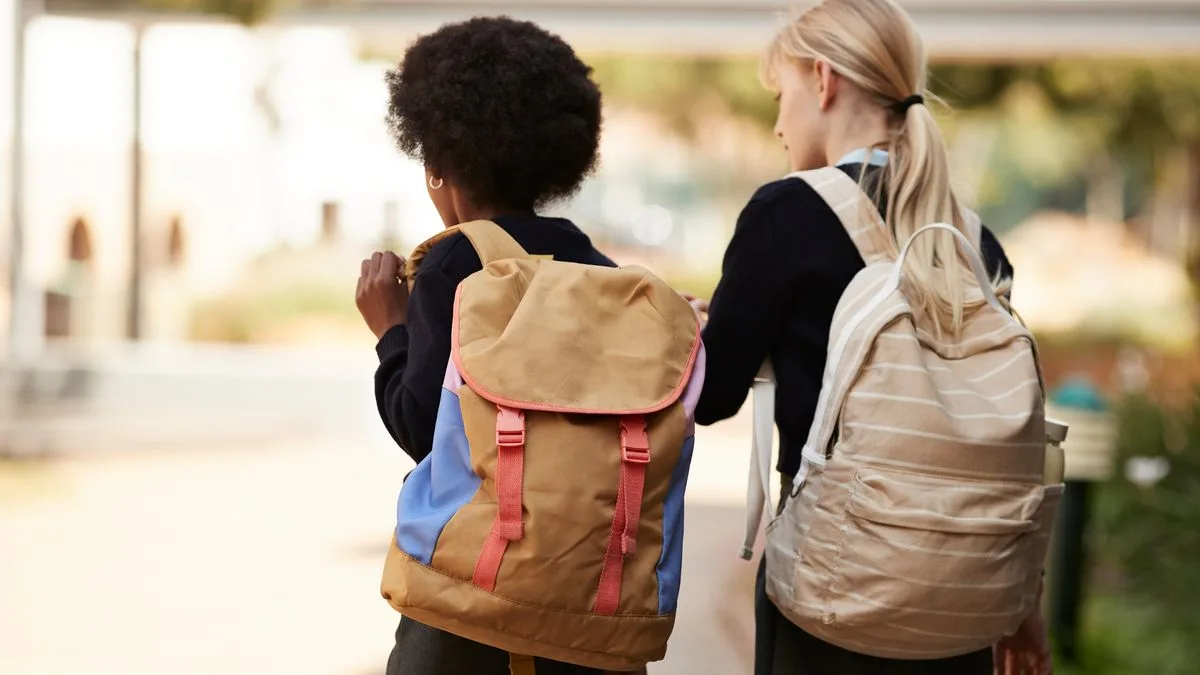
Packing items in a specific order and wearing the bag correctly can significantly impact comfort and safety. Dean Blackstock advised: "Distribute weight evenly when packing and place heavier items at the top to prevent shoulders from being pulled backward. Small adjustments in how children carry their school bags can greatly benefit their long-term musculoskeletal health."

He also emphasised: "Although it may not always be seen as fashionable, wearing the bag on both shoulders and adjusting the straps properly is crucial. This ensures the bag supports the weight correctly, reducing pressure on the body."

By following these guidelines, parents can help safeguard their children's health and prevent potential problems associated with heavy school bags.