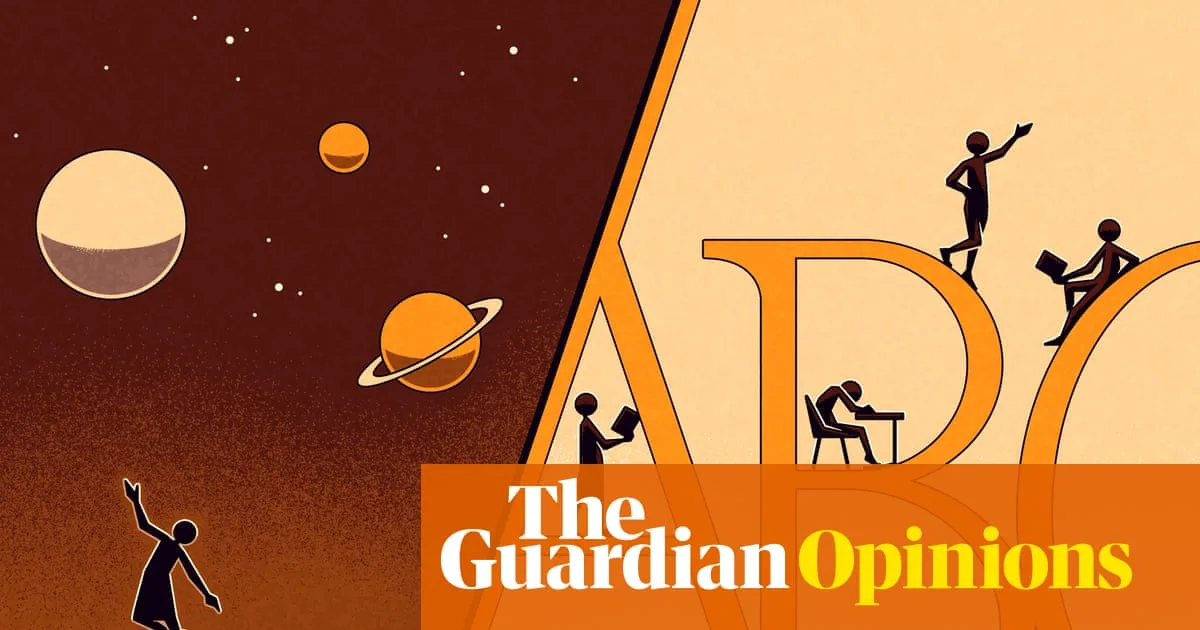
Progress has always been made by people who think differently, says space scientist Maggie Aderin-Pocock. Neurodiversity helps us think outside the box, and when we do, the sky's the limit. Writing her memoir, she used an imaginary 'retrospectroscope' to analyse her journey, discovering how dyslexia shaped her thinking, problem-solving, and imagination.
Aderin-Pocock was only formally assessed for dyslexia last year, though she had long suspected it. Looking back, she sees dyslexia was always there: in the child who struggled with words but told great stories, the teenager made to feel 'nice but dim', and the young woman who built her own telescope rather than accept the world as handed to her. Dyslexia is often described only by its difficulties—reading, writing, and processing information remain a slog—but difficulty is not the whole story.
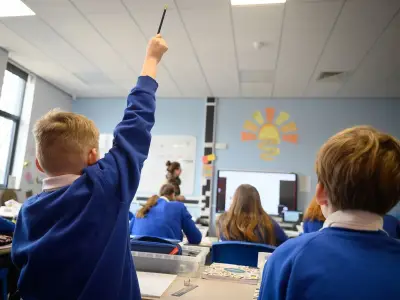
Writing her memoir reminded her how much she was underestimated. She attended 13 schools in 12 years amid upheaval and custody battles. At six, she ran away from home in pyjamas and Wombles slippers. At school, she was the girl with safety scissors and glue, stuck on red reading books while classmates progressed. The message she absorbed was that she was lacking. That is the danger of how we talk about dyslexia: children hear what the world thinks it means, sensing lowered expectations before they discover their own brilliance.
Now a space scientist and engineer, Aderin-Pocock meets many children in her science communication work. She tries to instil a 'desire to aspire', wanting them to feel the world is open to their potential. Struggle in one area does not cancel out strength in another. The same child who found school hard escaped into space: The Clangers opened her imagination, Neil Armstrong made her think 'why not me?'. Walking home across Hampstead Heath, she looked up, not down.
Her later diagnosis did not make her dyslexic but explained her brain's workings. The most powerful shift was emotional. She had spoken gloomily of 'suffering' from suspected dyslexia, but encountering the charity Made By Dyslexia made her realise she had the story wrong. The organisation identifies 'dyslexic thinking'—empathy, storytelling, curiosity, lateral thinking, resilience, and love of communicating big ideas. She realised she was not suffering from dyslexia; in many ways, she was gifted with it.