Over 100,000 Brits Demand Social Media Ban for Under-16s as Starmer Considers Move
Mass campaign urges UK social media ban for under-16s

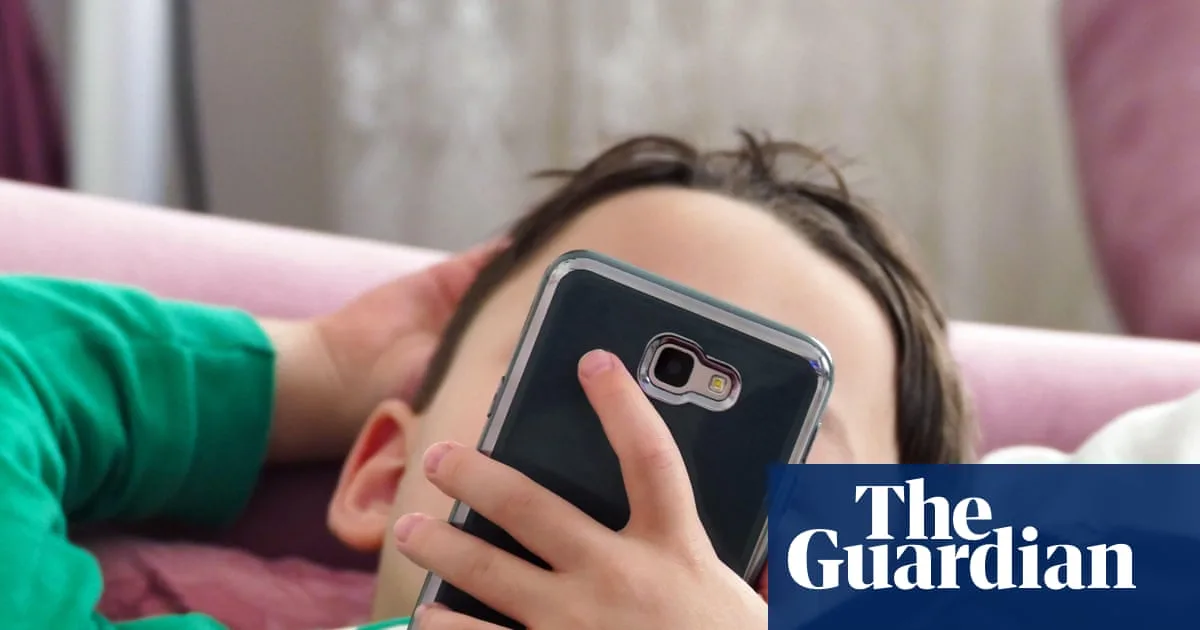
Pressure is mounting on the UK government to impose a ban on social media access for children under the age of 16, following a massive public campaign and signals from the Prime Minister that such a move is under serious consideration.

MPs Inundated as Public Demands Action

More than 100,000 people have contacted their local Members of Parliament in recent days, calling for stricter online protections for young people. The surge in correspondence was triggered by the grassroots campaign group Smartphone Free Childhood, which launched an email campaign on Tuesday evening. The campaign provides a template letter urging MPs to support "reasonable, age-appropriate boundaries" for children's digital lives.

Joe Ryrie, a co-founder and director of the group, stated that every single MP had been contacted on the issue, with some receiving over 1,000 emails from concerned constituents. "It has gone absolutely wild and it's still growing really quickly," Ryrie said. "Families from every part of the country are just saying the same thing: that children need strong protections from these global platforms built to maximise attention and profit."

Government Signals Shift in Policy

When questioned by reporters on Thursday, Prime Minister Keir Starmer indicated that a ban similar to one recently introduced in Australia was being actively reviewed. "We need to better protect children from social media," Starmer stated, adding that the government was watching the Australian experiment "with interest".

"All options are on the table in relation to what further protections we can put in place – whether that's under-16s on social media or an issue I am very concerned about, under-fives and screen time," the Prime Minister explained. He highlighted a specific concern, noting that "Children are turning up age four at reception having spent far too much time on screens."

This marks a potential shift in Starmer's position, who has previously expressed scepticism about a ban, citing enforcement difficulties and the risk of driving teenagers towards the darker corners of the web. However, on Monday he told Labour MPs he would consider all options for curbing young people's access.

Political and Union Support Grows

The campaign has garnered support from across the political spectrum and from key stakeholders. Health Secretary Wes Streeting, who has consulted with author and ban advocate Jonathan Haidt, used a vivid analogy on BBC Radio 4's Today programme. He compared giving children unrestricted access to smartphones to leaving a primary school child unattended with a box of nails.

"No one would dispute when I was growing up that being able to use tools like hammers or a saw was a good skill set for us to learn as young people," Streeting said. "What would never happen was a nursery or primary school child being given a box of nails and left unattended with it. That's kind of what we have done with mobile phones."

The NASUWT, one of the UK's largest teaching unions, has also called for a ban. The issue is set for a crucial parliamentary moment next week when the House of Lords votes on an amendment to the Children's Wellbeing and Schools Bill. If passed, it would trigger a binding vote in the House of Commons in the coming months.

Opposition and Government Response

Not all voices support a blanket ban. The youth mental health charity the Molly Rose Foundation argued that a ban "is not the answer" and unfairly "penalises children for tech firms and successive governments' failures to act".

A spokesperson for the Department for Science, Innovation and Technology pointed to the existing Online Safety Act as having taken "bold steps to keep children safe". They added: "A social media ban is not our current policy but we keep all options under review based on the evidence. We are striking the right balance: protecting children from harm while ensuring they can benefit safely from the digital world."

The debate has intensified following recent controversy over AI tools and after Australia enacted its own ban last month, which reportedly led to the removal of 4.7 million accounts held by under-16s in its initial days.