The Labour government is set to launch the most significant crackdown on violence against women and girls in British history this Thursday, with a core £20 million plan to confront toxic misogyny in schools head-on.
A National Emergency: The Historic VAWG Strategy
Prime Minister Keir Starmer will unveil the long-awaited Violence Against Women and Girls (VAWG) strategy, fulfilling a pledge made upon taking power last year to halve cases within a decade, which the party labelled a national emergency. The strategy represents a fundamental shift towards early intervention, aiming to stop harm before it starts.
Starmer stated: "Every parent should be able to trust that their daughter is safe at school, online and in her relationships. But too often toxic ideas are taking hold early and going unchallenged." He described the package as delivering "a responsibility we owe the next generation."

Core School Reforms and Alarming Data
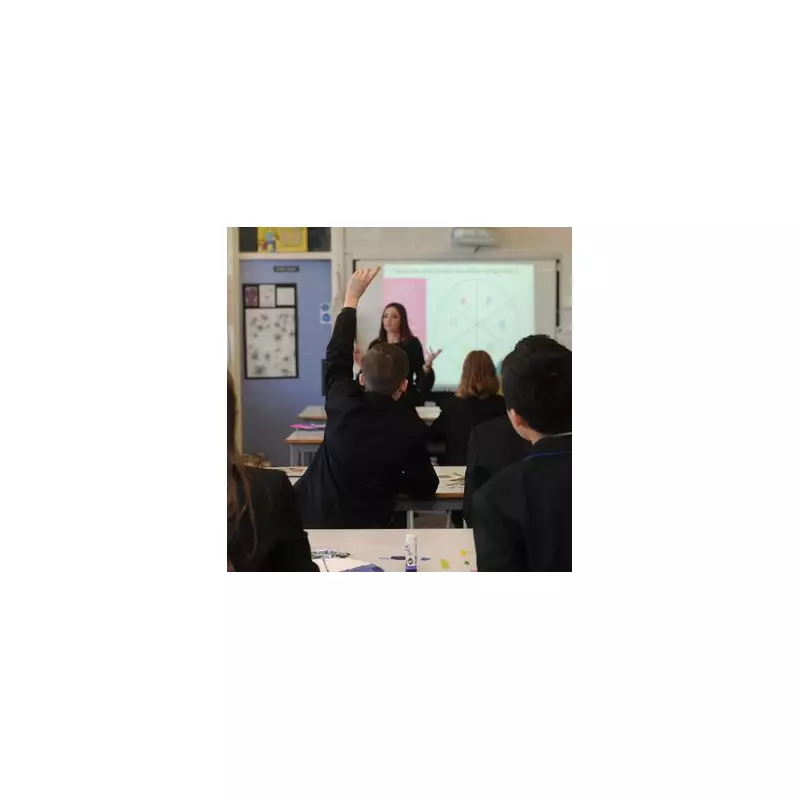
Central to the strategy is a major school initiative. Teachers will receive specialist training on how to address sensitive issues with pupils, including consent, sexual harassment, and the dangers of sharing intimate images. A pilot scheme will launch in selected schools next year, with contracts awarded individually.
The urgent need for action is underscored by alarming statistics. A survey found that 70% of secondary schools and 28% of primary schools dealt with incidents of child-on-child sexual violence or harassment in the last academic year. Furthermore, data reveals that nearly 40% of teenagers in relationships have experienced abuse from a partner.
Education Secretary Bridget Phillipson, drawing on her past work in a women's refuge, emphasised: "We cannot simply respond to harm after it happens; we must give young people the understanding and tools they need before attitudes harden into harm."
Campaigner Demands and Online Challenges
While welcoming the focus, campaigners have stressed the plan must reach every child. Andrea Simon, Director of the End Violence Against Women Coalition (EVAW), highlighted inconsistent delivery and called for Relationships, Sex and Health Education (RSHE) to be made mandatory for 16 to 18-year-olds, the group most at risk of domestic abuse.
School leaders' unions have broadly welcomed the specialist training, a measure they have long advocated for. However, they unanimously warn that it must be paired with robust action against the "poisonous" online content targeting young people via social media algorithms.
Paul Whiteman of the NAHT and Pepe Di’Iasio of the ASCL both urged the government to introduce effective measures to clamp down on this unchecked source of misogynistic influence.
The government vows that best practice from the pilot will be shared, aiming for every child to have access to specialist support by 2029. Additional measures include a new helpline for young people concerned about their own behaviours and fresh guidance for police and social services on intervening in harmful relationships.
Justice Minister Alex Davies-Jones declared: "This historic strategy is about stopping harm before it starts, brought by a government which is finally standing on the side of every victim in our country."