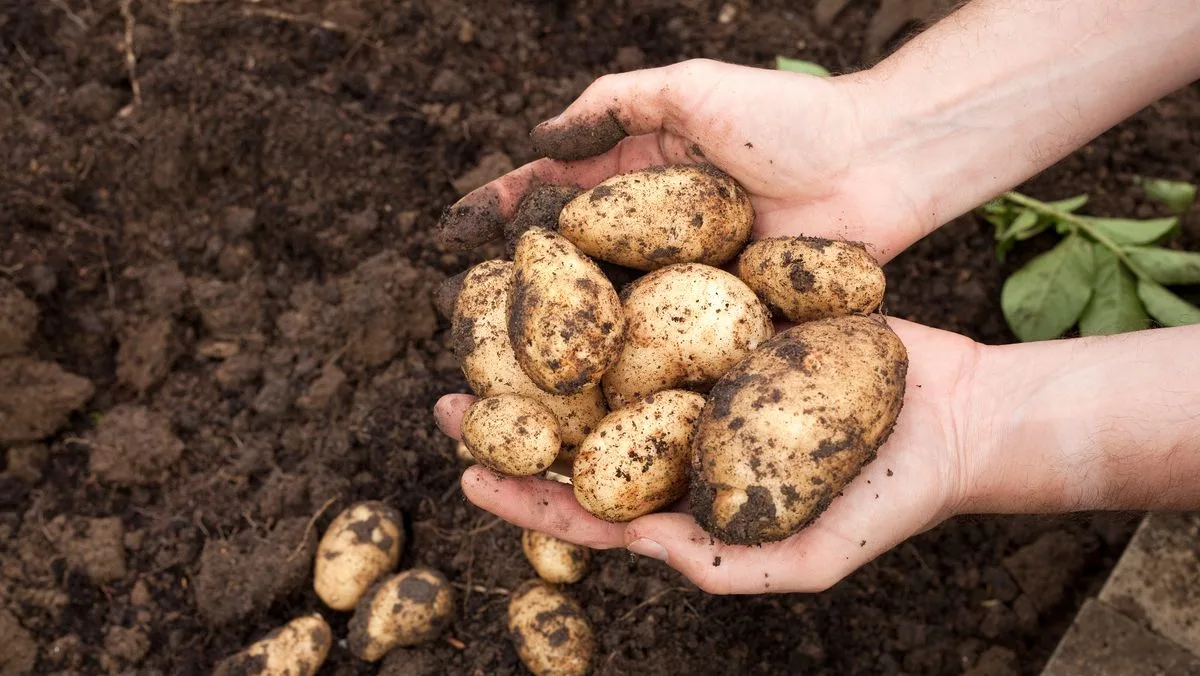
Potatoes are a staple vegetable for many home gardeners, featuring in dishes from chips to jackets, mashed and roasted. While they are among the easiest vegetables to grow, they still require specific care. Garden expert Alan Titchmarsh has shared his top advice for ensuring a bountiful potato harvest, focusing on how you plant them.
Planting Potatoes in Rows
Titchmarsh recommends planting potatoes in rows within your vegetable plot. To encourage sprouting, place the seed potatoes in empty egg trays on a sunny windowsill. Once the sprouts reach about half an inch, it is time to plant them in the ground.
Using a String Line for Straight Rows
In his Gardening with Alan Titchmarsh TikTok video, Alan used a ball of string and two stakes to create a straight line across his vegetable plot. This guide ensures the potatoes are planted evenly, making earthing up easier later on.
The Key Task: Earthing Up
Alan's main piece of advice to help potatoes grow to their best is to earth them up once the shoots have emerged. He explains: "As the shoots grow and come up above the ground, you earth them up. You pull soil around them for two reasons."
First, earthing up protects the tender shoots from late frosts. Second, it ensures that the potatoes forming on the roots are kept in the dark, which prevents them from turning green or developing diseases. However, the leaves must still receive sunlight to provide energy for the tubers.
Storing Potatoes for Longevity
Once harvested, potatoes should be stored away from damp and humid conditions. Tesco advises: "By following a few simple steps, you can keep your potatoes nearly as fresh as the day you bought them, for up to six months. Your spuds need air circulation, so don't suffocate them in a plastic bag. They're best kept in a mesh or paper bag."
It is also crucial to store potatoes away from other fresh produce, particularly onions, as they release ethylene gas which can cause premature ripening. Potatoes must be kept in a cool, dark place below 10°C, such as a porch cupboard or garden shed, to prevent sprouting.