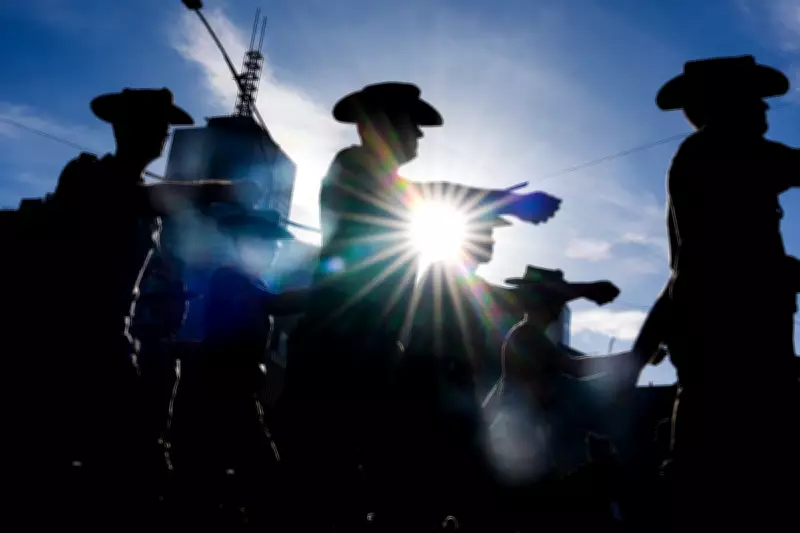
As Australia prepares to mark Anzac Day 2026, the annual commemoration prompts a deeper reflection on what this day truly signifies in the context of modern Australian identity. Originally established to honor the members of the Australian and New Zealand Army Corps who served in the Gallipoli Campaign of World War I, Anzac Day has since expanded to encompass all Australians who have served and died in military operations.
Evolving Traditions
Over the decades, the observance of Anzac Day has transformed. While dawn services and marches remain central, there is a growing inclusion of stories from more recent conflicts, including peacekeeping missions and contemporary wars. This evolution reflects a nation grappling with its past and present military engagements.
Controversies and Critiques
The day is not without its controversies. Debates around the glorification of war, the treatment of Indigenous veterans, and the politicization of the event have sparked public discourse. Some argue that the day has become overly commercialized, while others emphasize its role in fostering national unity and remembrance.

Nevertheless, for many Australians, Anzac Day remains a solemn occasion to honor sacrifice and service. It also serves as a reminder of the complexities of national identity, colonial history, and the ongoing impact of war on society.
A Place in Modern Australia
In 2026, the question of what Anzac Day means is more pertinent than ever. As the nation becomes increasingly diverse, the day's narratives are being reexamined to include broader perspectives. Educational initiatives and community discussions aim to ensure that the legacy of Anzac is understood in a nuanced way, acknowledging both heroism and the harsh realities of conflict.
Ultimately, Anzac Day continues to be a day of reflection, where Australians pause to consider the price of peace and the values they hold dear. Its meaning is not static but evolves with each generation, ensuring that the spirit of remembrance remains relevant.