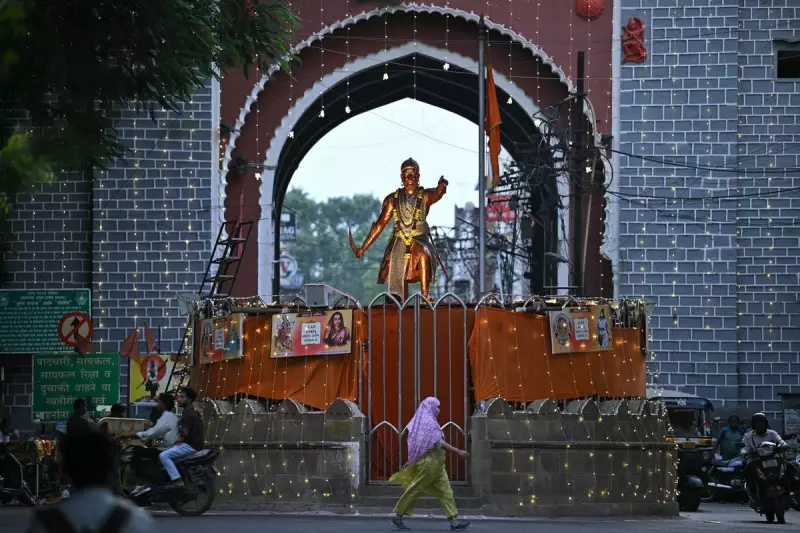
The Indian division of the prestigious Oxford University Press (OUP) has issued a formal and public apology for a book published more than twenty years ago, following a protracted legal dispute. The apology concerns the contentious portrayal of the revered 17th-century Maratha ruler, Chhatrapati Shivaji.
The Source of the Controversy
The book at the centre of the storm is titled "Shivaji: Hindu King in Islamic India", authored by American scholar James Laine and originally published in 2003. It provoked immediate and widespread outrage, particularly in the Indian state of Maharashtra, where Shivaji is a towering historical figure and a symbol of regional pride and valour.
Protesters and historians took strong objection to the book's framing. They argued that describing Shivaji solely as a "Hindu king" and characterising India of his era as "Islamic" was a misleading oversimplification. Critics emphasised that Shivaji was a sovereign ruler whose administration was inclusive and featured prominent Muslim officials, and that the subcontinent's political landscape during his reign was complex and multifaceted.

A Long-Running Legal Challenge
The path to this week's apology began in 2005 when a formal complaint was filed by Udayanraje Bhosale, a descendant of Shivaji and a sitting member of India's parliament. This complaint eventually led to a recent hearing in the Bombay High Court.
During the court proceedings, representatives for OUP India conceded and agreed to issue a statement of apology. The publisher acknowledged that the 2003 book contained "unverified statements" and that the language employed was inappropriate. It stated that the text failed to reflect the profound reverence and respect that Chhatrapati Shivaji commands among millions of people.
OUP's Statement and Lasting Impact
In its official apology, OUP India expressed regret for the publication. The press recognised the deep sentiments hurt by the book's content and its choice of terminology. This case highlights the enduring sensitivity around historical narratives and the portrayal of iconic figures in post-colonial nations.
It also underscores the responsibilities of global academic publishers when handling subjects of intense cultural and political significance. The resolution, coming over two decades after the book's first publication, marks the end of a significant chapter in India's ongoing debates about history, identity, and scholarly representation.